
Figuring out how much milk thistle for dogs requires more than glancing at a bottle label. Whether you’re managing elevated liver enzymes after medication exposure, supporting recovery from toxin ingestion, or helping an aging companion maintain organ function, the gap between “some is good” and “this amount works” matters tremendously. The wrong approach wastes money on ineffective doses or risks side effects from excessive amounts.
Silymarin is used in veterinary medicine for a variety of animals, including dogs and other companion animals, to support liver health.
That’s where evidence-based dosing protocols meet modern health tracking. CompanAIn transforms how pet owners and veterinarians approach milk thistle supplementation by analyzing medical records, lab results, and treatment histories to build precise, individualized protocols. Upload your dog’s recent bloodwork or vet notes, and the platform identifies dosing ranges that match your pet’s weight, condition severity, and response patterns—ensuring the silymarin actually reaches therapeutic levels instead of sitting in your medicine cabinet doing nothing.
Understanding Silymarin: The Active Compound Behind Milk Thistle
Milk thistle extract contains silymarin, a mixture of flavonolignans that delivers the plant’s liver-protective effects. Silymarin works by influencing cell membrane permeability, regulating which substances enter and leave liver cells. Research documents silymarin’s ability to stabilize liver cell membranes, boost glutathione production, and reduce inflammatory damage from oxidative stress.
The compound blocks toxins from binding to liver cells, neutralizes free radicals through its free radical scavenging properties and antioxidant action, stimulates protein synthesis for tissue repair, and reduces hepatic inflammation. Silymarin may support detoxification processes and liver protection by promoting the removal of toxins and aiding liver cell regeneration.
Not all milk thistle products deliver equivalent silymarin concentrations. Some supplements contain 50-80% standardized silymarin extract, while others use ground whole seed with far lower active compound levels. That 175mg capsule might deliver anywhere from 88mg to 140mg of actual silymarin depending on formulation.
Silymarin has been studied in both humans and animals for its effects on liver health.
How Much Milk Thistle for Dogs: Evidence-Based Dosing Guidelines
Veterinary dosing recommendations vary based on whether you’re preventing damage or treating active liver disease.
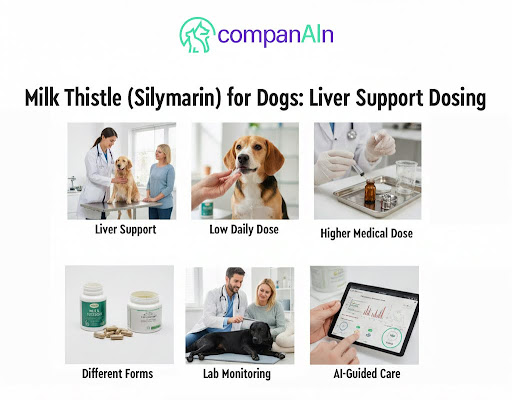
For General Liver Support and Detoxification: Dogs benefit from 2-5mg of silymarin per pound of body weight daily. Silymarin is commonly used for daily liver support in dogs, helping to maintain normal detoxification and liver function. A 50-pound dog receives 100-250mg of standardized silymarin extract. This range suits periodic detox cycles or supporting dogs on long-term medications.
For Active Liver Disease or Elevated Enzymes: Therapeutic dosing increases to 9-23mg per pound daily (20-50mg/kg). Silymarin is also used to treat liver disease in veterinary protocols, thanks to its antioxidant and anti-inflammatory properties that support liver health. A 50-pound dog requires 450-1,150mg of standardized silymarin. This addresses hepatitis, toxin exposure, medication-induced damage, or elevated enzyme levels.
Important Dosing Considerations:
- Split daily amounts into 2-3 doses for better absorption
- Calculate based on standardized 80% silymarin extract
- Therapeutic protocols run 8-12 weeks minimum
- Give on an empty stomach, ideally one hour before meals
Product Forms: Choosing Between Extracts and Combination Supplements
Standardized Silymarin Extract (80% concentration): Delivers predictable, concentrated doses. A 175mg capsule contains roughly 140mg active silymarin. Most veterinary studies use this formulation, making it the gold standard for therapeutic protocols.
Ground Whole Seed Powder: Contains approximately 3% silymarin by weight. Better suited for large dogs or general wellness rather than active treatment.
Silybin-Phosphatidylcholine Complex (SPC): Enhanced bioavailability formulation where silybin binds to phosphatidylcholine for better absorption. Phosphatidyl choline significantly improves the absorption and bioavailability of silymarin, increasing its liver-protective efficacy. Products like Denamarin use this technology, allowing lower doses with equivalent therapeutic effect.
Combination Products (SAMe + Silymarin): SAMe boosts glutathione production while silymarin provides antioxidant protection. Veterinary formulations typically combine 425mg SAMe with 35mg silybin for large dogs.
CompanAIn’s analysis tools help decode product labels by tracking which formulations produced measurable improvements in your dog’s specific case.
Several trusted veterinary brands offer milk thistle and silymarin supplements specifically formulated for dogs, ensuring quality and efficacy for pet health support.
AI-Assisted Dosing: How CompanAIn Personalizes Milk Thistle Protocols
Traditional supplementation follows generic weight-based charts. AI-assisted protocols account for your dog’s complete medical picture.

Analyzing Historical Lab Results: CompanAIn’s multi-agent system examines trends in liver enzyme values over time. A dog whose ALT jumped from 150 to 450 IU/L in three months receives different dosing recommendations than one maintaining stable borderline-high values for two years. The platform identifies velocity of change, not just absolute numbers.
Medication Interaction Assessment: Upload current prescriptions, and the Health Analyzer agent flags potential interactions. Dogs on chemotherapy require adjusted milk thistle timing to avoid interference with drug metabolism. Those taking NSAIDs long-term benefit from proactive liver support protocols. The system builds schedules that maximize benefits while minimizing conflicts.
Response Pattern Recognition: After starting supplementation, CompanAIn tracks whether follow-up labs show improvement, stagnation, or continued decline. If a dog’s enzymes dropped 20% after four weeks on 300mg daily silymarin, the platform recommends continuing current dosing. If values remain unchanged, it suggests either increasing dose or exploring combination approaches with SAMe.
Breed-Specific Considerations: Certain breeds carry higher genetic liver disease risk—Labrador Retrievers, Dalmatians, Great Danes, Bedlington Terriers, and West Highland White Terriers face elevated copper storage disease susceptibility. CompanAIn incorporates breed data when building preventive protocols, recommending earlier intervention thresholds for predisposed dogs.
Creating Adaptive Schedules: The platform generates dosing calendars that adapt based on condition severity. Acute toxin exposure might call for aggressive three-times-daily dosing for six weeks, then tapering to twice-daily maintenance. Chronic hepatitis could require ongoing support with structured “on” cycles (daily dosing for 4-6 weeks) followed by “off” periods (one week break) to maintain efficacy.
When to Use Milk Thistle: Clinical Applications
Medication-Induced Hepatotoxicity: Long-term NSAID use, phenobarbital for seizures, chemotherapy protocols, and certain antibiotics stress liver function. Research demonstrates silymarin reduces medication-induced enzyme elevation when given concurrently.
Toxin Exposure Recovery: Mushroom poisoning, heavy metal exposure, xylitol ingestion, or household chemical contact can cause acute liver injury. Veterinary protocols for mushroom poisoning specifically include silibinin as emergency treatment.
Chronic Hepatitis Management: Autoimmune liver inflammation or infectious hepatitis causes ongoing cellular damage. Silymarin’s anti-inflammatory and antioxidant effects help slow progression. Silymarin has also been studied for its potential benefits in hepatitis C-related liver damage.
Supporting Chemotherapy Protocols: Certain chemotherapy drugs demonstrate hepatotoxic side effects. Clinical trials showed silymarin protected liver cells during treatment—veterinary oncologists apply similar principles for canine patients. Silymarin may also provide protective effects during cancer treatment, such as chemotherapy and radiation therapy, by reducing side effects and supporting recovery.
Aging Dog Liver Maintenance: Senior dogs process toxins less efficiently. Periodic milk thistle courses support natural detoxification pathways as metabolic capacity declines.
Silymarin is also used to support liver health in cats, not just dogs.
Dosing Safety: Side Effects and Monitoring
Common Side Effects: Digestive upset (mild diarrhea, gas, temporary appetite changes) occasionally occurs with high doses. Starting at lower levels and gradually increasing over 3-5 days minimizes these effects. Silymarin has been studied for safety in both dogs and human patients. Missing a single dose is unlikely to cause significant effects, but regular dosing is important for optimal results.
Rare Reactions: Allergic responses can develop in dogs sensitive to plants in the Asteraceae family. Symptoms include itching, hives, or facial swelling. Discontinue immediately if allergic signs appear.
Medication Interactions: Silymarin affects cytochrome P450 enzymes involved in drug metabolism. This creates potential interactions with certain chemotherapy agents, immunosuppressants, and some cardiac medications. If a dose is missed, give the next dose at the regular scheduled time and do not double up.
Pregnancy and Surgery Precautions: Avoid milk thistle during pregnancy. Discontinue supplementation 48 hours before scheduled surgery or anesthesia.
Monitoring Response: Effective supplementation requires follow-up bloodwork to confirm enzymes are improving. Recheck liver values 4-6 weeks after starting therapeutic doses.
CompanAIn automates monitoring by flagging when follow-up labs are due based on initial values and dosing protocols.
Combining Milk Thistle with Other Liver Support Strategies
Diet Modifications: High-quality, easily digestible protein sources reduce metabolic stress on compromised livers. Moderate fat content and antioxidant-rich foods complement silymarin’s cellular protection. Vitamins, such as vitamin E, also play a role in supporting liver health and antioxidant defenses.
SAMe Combination Therapy: S-Adenosylmethionine boosts glutathione synthesis through different pathways than silymarin. Products combining both compounds demonstrate enhanced efficacy versus either alone.
Hydration and Toxin Avoidance: Adequate water intake supports kidney and liver filtration. Minimizing environmental toxin exposure reduces the burden that necessitated supplementation initially.
Weight Management: Obesity increases fatty liver disease risk and impairs overall metabolic function. Maintaining healthy body condition supports liver health independently of supplementation.
Building Your Dog's Milk Thistle Protocol with CompanAIn
Upload recent vet records, bloodwork results, and current medication lists to CompanAIn. The platform’s Data Aggregator agent organizes everything into a coherent timeline, while the Health Analyzer agent identifies liver-specific concerns.
CompanAIn calculates dosing ranges based on your dog’s weight, condition severity, and product type. The system accounts for whether you’re pursuing preventive maintenance or treating active disease.
The platform generates dosing calendars with specific administration times, notes about giving on empty stomach, and reminders for follow-up bloodwork. These recommendations adapt based on your dog’s response patterns.
After several weeks, upload new lab results. CompanAIn compares before-and-after values, quantifies improvement percentages, and recommends whether to continue current protocol or adjust dosing.
Veterinary Guidance: Partnering with Your Vet for Optimal Liver Support
Supporting your dog’s liver health is most effective when you work hand-in-hand with your veterinarian. While milk thistle and its active ingredient, silymarin, offer significant benefits for liver function—thanks to their antioxidant properties and free radical scavenging abilities—professional guidance ensures these supplements are used safely and effectively, especially when addressing liver disease, elevated liver enzymes, or liver damage.
Your veterinarian is your best resource for navigating the complexities of liver support. They can help determine whether milk thistle products are appropriate for your dog’s specific situation, taking into account factors like existing medications, underlying kidney disease, or recent exposure to harmful substances. Because silymarin can interact with other medications and may cause upset stomach in some dogs, veterinary oversight is essential to avoid complications and maximize benefits.
Veterinarians rely on laboratory tests to monitor your dog’s liver enzymes and overall liver function. These tests help identify elevated enzyme levels or early signs of liver damage, allowing your vet to tailor treatment protocols and adjust dosages as needed. This individualized approach ensures your dog receives the right amount of nutritional supplement for their body weight and condition, supporting liver cells without risking adverse effects.
In many cases, your veterinarian may recommend combining silymarin with other liver support medications, such as S-adenosylmethionine (SAMe), to enhance protective effects and promote cellular repair. When used alongside treatments like chemotherapy, milk thistle can help protect the liver from harmful substances, but only when carefully coordinated with your vet to prevent unwanted interactions.
Beyond supplements, your veterinarian can advise on holistic strategies to protect your dog’s liver health—such as providing a balanced diet free from harmful additives, scheduling regular check-ups, and monitoring for signs of liver disease. This comprehensive approach supports your dog’s overall well-being and helps prevent future liver issues.
Ultimately, partnering with your veterinarian ensures that every aspect of your dog’s liver support protocol—from supplement selection to dosing and ongoing monitoring—is grounded in veterinary science and tailored to your companion’s unique needs. Always consult your vet before starting any new supplements, and follow their recommendations closely to give your dog the best chance at a healthy, vibrant life.
Why AI-Enhanced Tracking Matters
CompanAIn answers supplement questions through data analysis rather than guesswork. The platform quantifies response by comparing lab values before supplementation, during treatment, and after protocol changes.
The system’s Living Memory technology maintains context across multiple vet visits, different supplement trials, and various interventions. This longitudinal view reveals whether milk thistle produces sustained benefits or temporary improvements.
For dogs with complex medical histories, CompanAIn’s multi-agent system excels at synthesizing information. Specialist agents examine medication interactions, analyze lab trends, and review dietary factors to assemble recommendations that account for all variables.
Ready to Optimize Your Dog's Liver Support Protocol?
How much milk thistle for dogs depends on dozens of variables: current liver function, medication exposure, age, breed predisposition, product formulation, and individual response patterns. Generic dosing charts provide starting points, but precision matters when you’re trying to protect or repair your dog’s liver.
CompanAIn eliminates guesswork by building protocols grounded in your specific dog’s medical data. Upload lab results and vet notes to receive dosing recommendations calibrated to your pet’s exact situation. Track outcomes across follow-up bloodwork to confirm supplementation delivers measurable improvements. Adjust protocols based on response patterns rather than hoping current approaches work.
From determining optimal silymarin doses to identifying medication interaction concerns to quantifying liver enzyme improvements, AI-assisted health tracking transforms milk thistle supplementation from hopeful intervention to evidence-based strategy. Explore CompanAIn’s platform to access the tools veterinarians and informed pet owners use for smarter, data-driven liver support decisions.
How much milk thistle should I give my dog for liver support?
For general liver maintenance, give 2-7mg of standardized silymarin extract per pound of body weight daily. Treating active liver disease requires 7-20mg per pound. A 50-pound dog receives 100-350mg for prevention or 350-1,000mg therapeutically. Split doses into 2-3 administrations throughout the day for better absorption.
Can I give my dog human milk thistle supplements?
Yes, human supplements work if you calculate dosing correctly and verify the product contains standardized silymarin extract without harmful additives like xylitol or artificial sweeteners. Veterinary-specific formulations often combine silymarin with SAMe for enhanced effects and come pre-dosed for dog weight ranges, eliminating calculation errors.
How long before milk thistle improves liver enzymes?
Most dogs show measurable enzyme improvements within 4-6 weeks of therapeutic dosing. Acute toxin exposure might demonstrate faster recovery (2-3 weeks), while chronic hepatitis requires longer protocols (8-12 weeks minimum). Recheck bloodwork after one month to assess response and adjust dosing if needed.
Should I give milk thistle every day or cycle it?
Daily dosing works best during active treatment phases (8-12 weeks for acute issues). Long-term maintenance benefits from cycling: 4-6 weeks on, 1 week off, then repeat. This approach maintains efficacy while preventing adaptation. CompanAIn generates cycling schedules based on condition severity and response patterns.
Can milk thistle reverse liver damage in dogs?
Silymarin helps regenerate damaged liver cells and slow progression of liver disease, but it doesn’t fully reverse advanced cirrhosis or severe structural damage. Research shows it reduces enzyme elevation, improves histological markers of inflammation, and supports cellular repair—meaningful improvements, though not complete restoration of severely compromised organs.
Is milk thistle safe for dogs on other medications?
Generally safe, but silymarin affects drug metabolism enzymes, creating potential interactions with chemotherapy, immunosuppressants, and certain cardiac medications. Inform your veterinarian about all supplements before starting milk thistle, especially if your dog takes multiple prescriptions. Timing doses several hours apart from medications often minimizes interaction concerns.