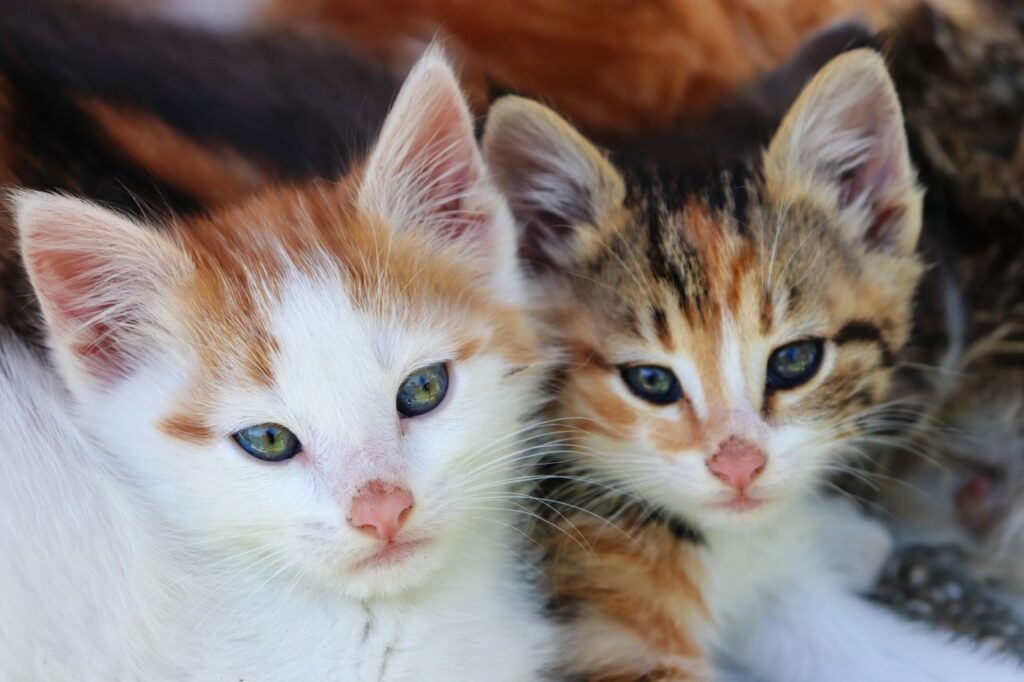

Understanding Skin Problems in Cats
Skin issues in cats are among the most frequent reasons for veterinary visits, and in most cases, they are very treatable. However, skin problems can also signal underlying health problems that deserve prompt attention. Cats frequently experience skin issues driven by allergies, parasites, or infections, and early detection makes all the difference.
When vets talk about feline skin conditions, they include a wide range of symptoms: itchy skin, flaky skin, hair loss, redness, sores, ear infections, and changes in coat quality. Cat skin can only react in limited ways-like itching, scabbing, or hair loss-which is why so many different problems look similar on the surface. Research from Cornell University shows that between 6–15% of cats have at least one skin condition, and 22% of those have two or more concurrent issues.
CompanAIn helps owners log skin changes, photos, and vet visits in one health timeline, making it easier to spot patterns early and share a complete record with your veterinarian.
Red flag signs-call your vet within 24–48 hours if you notice:
- Bleeding sores or open ulcers
- Sudden facial or paw swelling
- Severe itching causing self-injury
- Lethargy or refusal to eat alongside skin symptoms
- Rapidly spreading redness or inflammation
This article covers common causes, signs to watch for, diagnostics, treatment plans, home care, and prevention strategies for your cat’s comfort.
Common Causes of Skin Conditions in Cats
Most feline skin conditions have multiple overlapping causes. A cat might deal with flea allergy dermatitis, a food sensitivity, and a secondary bacterial infection all at once. Certain cat breeds are also predisposed to specific skin diseases, so knowing your cat’s background helps. Here are the common culprits.
Parasites. Fleas are the most common cause of skin irritation in cats worldwide. Flea allergy dermatitis is common and causes intense itching in sensitive cats, often concentrated above the tail base and along the flanks. Skin mites can cause irritation and hair loss in cats-Cheyletiella (“walking dandruff”) triggers scaling, while Notoedres cati causes intense scabies around the ears and face. Mites like Cheyletiella can also cause dandruff and itching in cats. Ticks contribute to localized irritation, especially in outdoor pets.
Allergies. Cats can develop food allergies leading to intense itching and inflamed skin, often accompanied by gastrointestinal symptoms. Common food triggers include chicken, beef, fish, and dairy. Environmental allergens can cause atopic dermatitis in cats, and environmental allergies can cause itching around a cat’s face and paws. Think pollen surges in spring 2026, house dust mites, certain fabrics, and cleaning products with strong fragrances. Flea allergy dermatitis causes intense itching in sensitive cats even from a single bite.
Infections. Skin infections often cause red, bumpy rashes that are itchy. Bacterial infections can cause red, itchy rashes in cats and typically develop secondary to scratching. Yeast overgrowth (Malassezia) thrives in moist folds and ears. Ringworm is a contagious fungal infection that causes circular patches of hair loss and can spread to people-one hospital study found dermatophytosis accounted for roughly 22% of feline skin disease cases.
Systemic disease. Obesity, diabetes, hyperthyroidism, and arthritis often result in poor grooming, leading to oily or flaky skin and matted fur. These connections are especially relevant in middle-aged and senior cats, where underlying health problems quietly manifest as skin and coat changes.
Stress and behavior. Stress can cause excessive grooming and skin irritation in cats. Overgrooming can result from stress, anxiety, or behavioral issues-triggered by a house move, new baby, or changes in routine. Psychogenic alopecia is hair loss caused by stress, anxiety, or boredom, often producing bald patches on the belly and legs where the skin surface appears relatively normal.
Environmental factors. Low-humidity indoor heating during winter 2025–2026 strips natural oils from your pet’s skin. Smoke, harsh shampoos, and chemical cleaners can further damage the skin barrier. Dry skin can lead to flaking and itching in cats exposed to these environmental factors.
Feline acne is another localized skin condition characterized by clogged oil glands, typically appearing on the chin.
CompanAIn can help track suspected triggers-new food, new detergent, season changes-alongside photos, helping your vet find patterns faster.
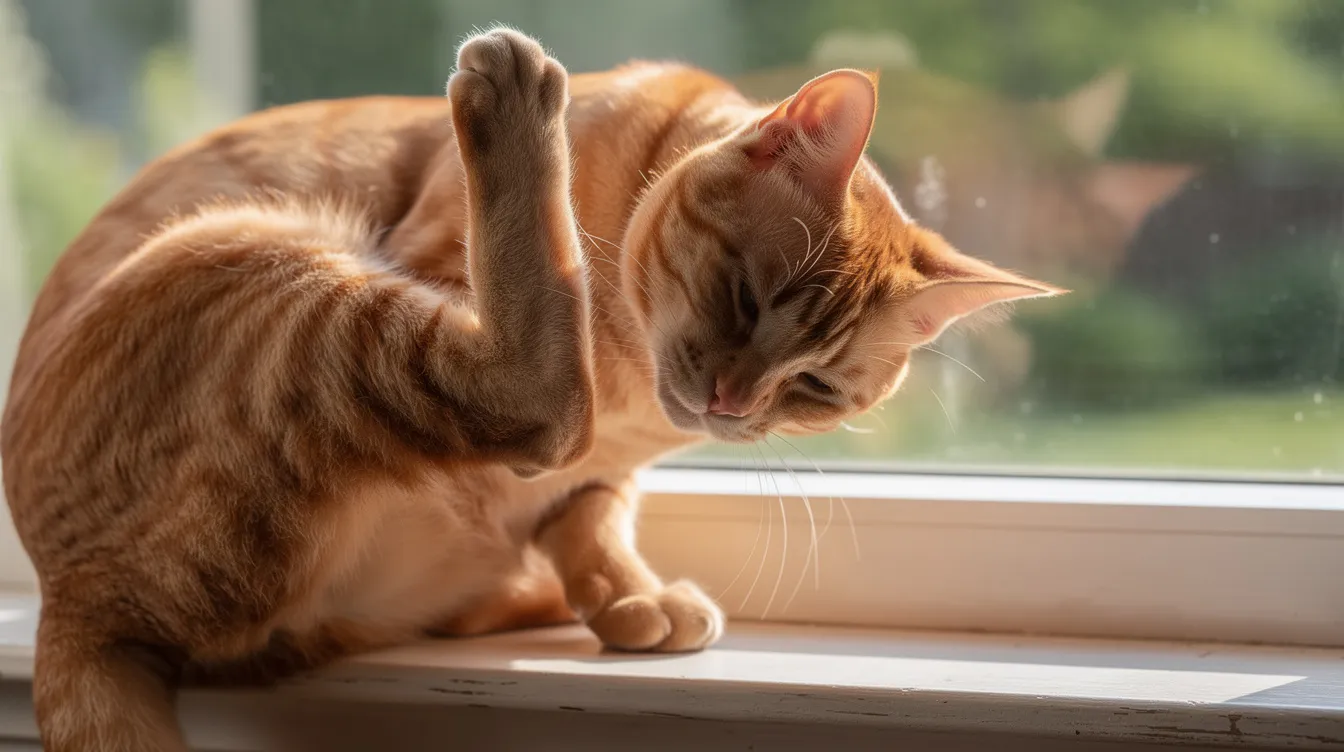
Recognizing Signs of Feline Skin Problems
Cats instinctively hide discomfort, so subtle skin and coat changes matter more than you might expect. Recognizing early warning signs helps ensure the cat stays comfortable and healthy.
Visible signs: redness, bumps, scabs, flaky skin (white flakes on dark fur or bedding), hair loss, thickened skin, or darkened patches. Check around the ears, face, belly, and paws.
Behavioral changes: increased scratching, licking, chewing, excessive grooming, head shaking, rubbing against furniture, or avoiding touch. Symptoms like itching and hair loss often require a veterinarian’s evaluation for proper diagnosis.
Coat changes: dull coat, greasy fur, clumps or mats-especially along the back and near the tail base.
Pattern clues: symmetrical hair loss along the belly and legs is often linked to allergies or stress. Crusty skin lesions around the neck and face frequently point to flea allergies or mites.
Fast action tip: take clear, well-lit photos and short videos of scratching patterns and upload them to CompanAIn’s symptom checker before or after a vet visit. This preserves an objective record your vet can review.
Cat Dandruff and Flaky Skin
Cat dandruff appears as visible white flakes on fur, most noticeable on the back and shoulders. Mild flaky skin is common, but persistent dandruff can signal a medical issue worth investigating.
Common causes of flaky skin include:
- Dry air can exacerbate dandruff in cats, particularly with indoor heating
- Poor nutrition can lead to cat dandruff; essential fatty acid deficiencies contribute significantly
- Infrequent grooming can cause dandruff buildup in cats, and obesity limits a cat’s ability to self-groom
- Parasites like Cheyletiella mites
- Underlying health issues may cause cat dandruff, including early kidney disease and endocrine disorders like hyperthyroidism
Dandruff often appears on dark surfaces-black clothing, couch fabric-and can be confused with flea dirt. The key difference: flea dirt turns reddish-brown when moistened, while dry skin flakes do not change color.
Feature | Dry Flaky Skin | Flea Dirt | Ringworm Lesions |
|---|---|---|---|
Appearance | White/grey flakes | Black granules | Circular, scaly patches |
Wet test | No color change | Reddish-brown stain | N/A |
Itch level | Mild or none | Moderate to severe | Variable |
Hair loss | Minimal | Possible at tail base | Circular bald spots |
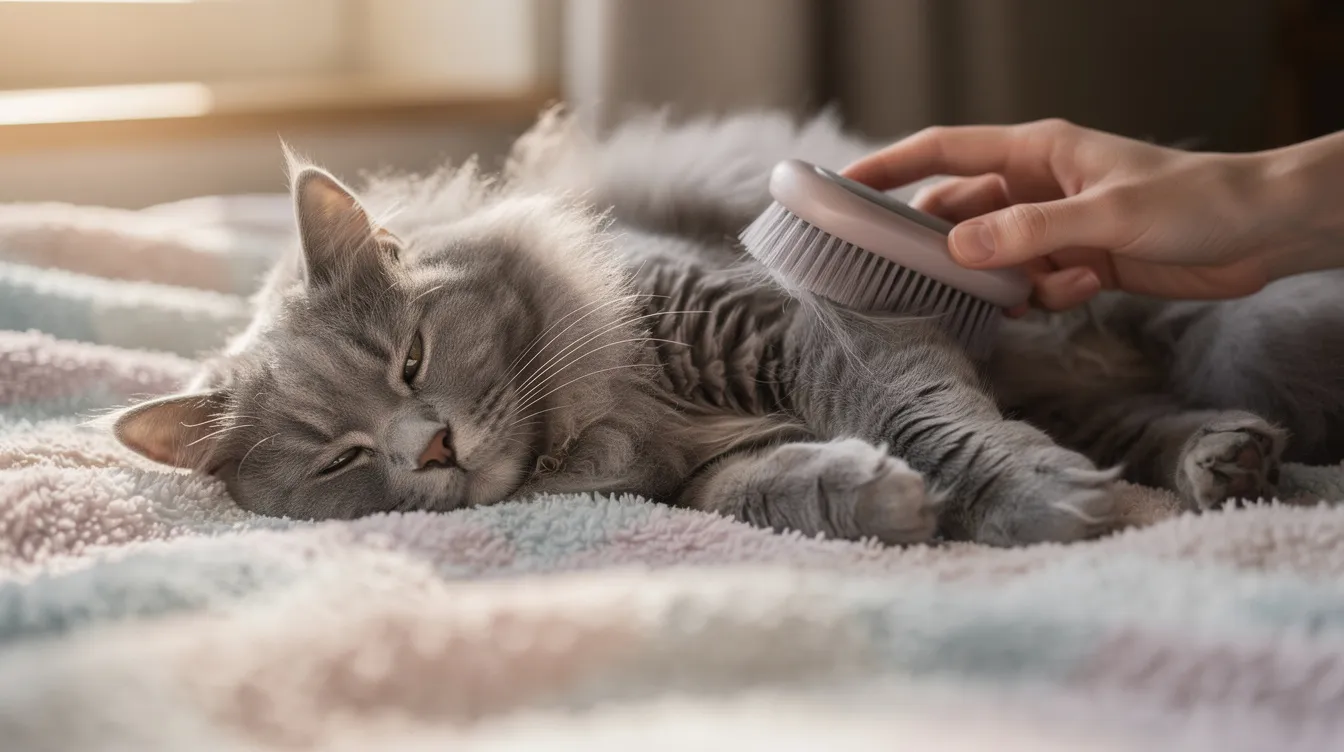
Care guidance: provide essential fatty acids for healthy skin through dietary supplements or omega-rich food. Regular grooming helps distribute natural oils and remove dead skin. Address weight issues so your cat can groom effectively, and consult your vet to rule out parasites and systemic disease. CompanAIn can store lab results-like thyroid and kidney panels-and summarize them so you understand whether internal disease is contributing to your cat’s skin health.
Ear Infections and Ear-Related Skin Problems
Ear infections are technically skin infections of the ear canal and are extremely common in cats with allergies or mite infestations. Up to 20% of cats with allergic skin disease develop recurring ear inflammation.
Classic signs: head shaking, scratching at ears, dark debris or discharge resembling coffee grounds, odor, redness, crusting around the ear flap, and pain when ears are touched.
Common causes: ear mites (especially in young or outdoor cats), bacterial or yeast overgrowth, foreign bodies, underlying allergies, and polyps in the ear canal. Chronic ear infections often point to broader allergic skin conditions.
Vet diagnostics: ear exam with otoscope, swabs for cytology, and possible culture. Home cleaning without veterinary guidance can push debris deeper and worsen irritation.
Log the frequency and seasonality of ear issues in CompanAIn-recurring infections in certain months often hint at seasonal allergens your vet can investigate.
How Vets Diagnose Skin Infections and Other Skin Issues
Many skin conditions look alike on the surface, so proper diagnosis is essential before starting prescription medications. Identifying the root cause of skin issues in cats often requires careful evaluation, and diagnosis of skin disorders in cats can involve multiple tests and examinations.
Clinical exam: a full-body check of skin and coat-between toes, under the tail, inside the ears-plus weight check and medical history review.
Common in-clinic tests:
- Skin scrapings for mites
- Tape impressions for yeast and bacteria
- Wood’s lamp exam and fungal culture for ringworm
- Cytology of pustules
- Skin biopsy for unclear or chronic lesions
Blood work and urinalysis help identify systemic causes like diabetes, hyperthyroidism, or kidney disease contributing to poor coat and flaky skin. Allergy workups may include elimination diet trials (8–12 weeks on a hypoallergenic diet) and environmental allergy testing.
CompanAIn automatically pulls together vet notes, lab results, and medications into a single timeline, providing a clinician-grade AI summary you can review or securely share with a new vet through its diagnostic tools.
Treatment Options and At-Home Skin Care
Effective treatment always depends on the underlying cause. Avoid using human creams or over-the-counter steroids on your furry friend without veterinary guidance-many are toxic to cats. Veterinary treatment for skin conditions includes topical medications, antibiotics, and antiparasitic drugs.
Core treatment categories:
- Parasite control: modern flea and mite preventives (spot-ons, oral treatments)
- Infection treatment: antibiotics for bacterial infections, antifungal meds for fungal infections, medicated shampoos or wipes
- Anti-itch therapy: short-term steroids, anti-itch drugs, medicated sprays
Allergy management: aggressive parasite prevention for flea allergy dermatitis, an elimination diet for suspected food allergies, and environmental modifications-HEPA filters, frequent vacuuming, unscented cleaning products-for environmental allergies. A balanced diet rich in essential fatty acids supports your cat’s immune system and promotes healthy skin from within.
Home care: gentle regular grooming routines, maintaining healthy indoor humidity (40–60%), weight management to improve grooming ability, and stress reduction through environmental enrichment. For chronic or complex cases, collaboration between your primary vet and a veterinary dermatologist may be needed. About 69% of cats achieve complete remission with appropriate treatment, so persistence pays off.
Track your cat’s response to medications, note side effects, and monitor discomfort over time using CompanAIn’s action plans. Dogs and cats both benefit from this kind of structured tracking.
Prevention, Monitoring, and When to See a Vet
Consistent preventive care greatly reduces the risk of skin infections and recurring skin conditions in cats.
Key prevention strategies:
- Use year-round flea and tick prevention for cats
- Feed a balanced diet with appropriate dietary supplements and essential fatty acids
- Regular grooming helps maintain skin and coat health
- Perform routine ear checks
- Keep your home clean to reduce allergens and irritants; minimize exposure to smoke and harsh chemicals
Home monitoring: monitor your cat’s skin regularly for changes. Check weekly around the neck, base of tail, belly, and ears for flakes, redness, or new bumps. Research from the Bristol Cats study found that cats using prescription flea treatments had significantly lower rates of skin disease, while nearly 46% of owners with affected cats hadn’t sought veterinary care at all.
See a vet now if you notice: sudden intense itching, open sores, rapidly spreading red areas, widespread hair loss, severe ear infections with pain or head tilt, or any skin issue combined with fever, lethargy, or not eating.
Book a check within a week for: mild dandruff persisting longer than 2–3 weeks, recurring ear infections, or chronic excessive grooming without obvious cause.
With the right care, most skin problems in cats resolve well-especially when caught early. CompanAIn supports proactive care by letting you log symptoms the moment they appear, generate summaries for licensed veterinarians, and use AI insights to catch trends before they escalate. Your pet deserves to feel comfortable, itch-free, and healthy over the long term-start tracking today.