

Waiting for kidney disease symptoms in your dog often means waiting too long. By the time traditional tests show abnormal results, significant damage has occurred. Symmetric dimethylarginine dog testing changes this timeline, providing veterinarians with crucial information months or years earlier than conventional methods. SDMA serves as an early indicator of kidney disease, often rising before traditional markers like creatinine or BUN, allowing for earlier diagnosis and intervention.
Traditional diagnostic approaches miss the window when intervention matters most. Dogs lose filtering ability gradually, and their bodies compensate remarkably well until function drops below a critical threshold. SDMA testing identifies this decline much earlier, giving time to implement strategies that slow progression and preserve quality of life.
CompanAIn’s AI-powered health analysis platform helps track SDMA results alongside other health data, identifying patterns that indicate kidney function changes. By organizing lab results, veterinary records, and health notes into a comprehensive timeline, CompanAIn makes it easier to spot trends that warrant attention—turning reactive care into proactive health management. Serum concentrations of SDMA and other biomarkers are tracked, and mild elevations can sometimes be seen in healthy animals due to biological variation. For a detailed guide on interpreting SDMA test results and monitoring your dog’s kidney health, explore our comprehensive SDMA testing guide for canine kidney monitoring.
Understanding SDMA: What It Is and Why It Matters
What Is Symmetric Dimethylarginine?
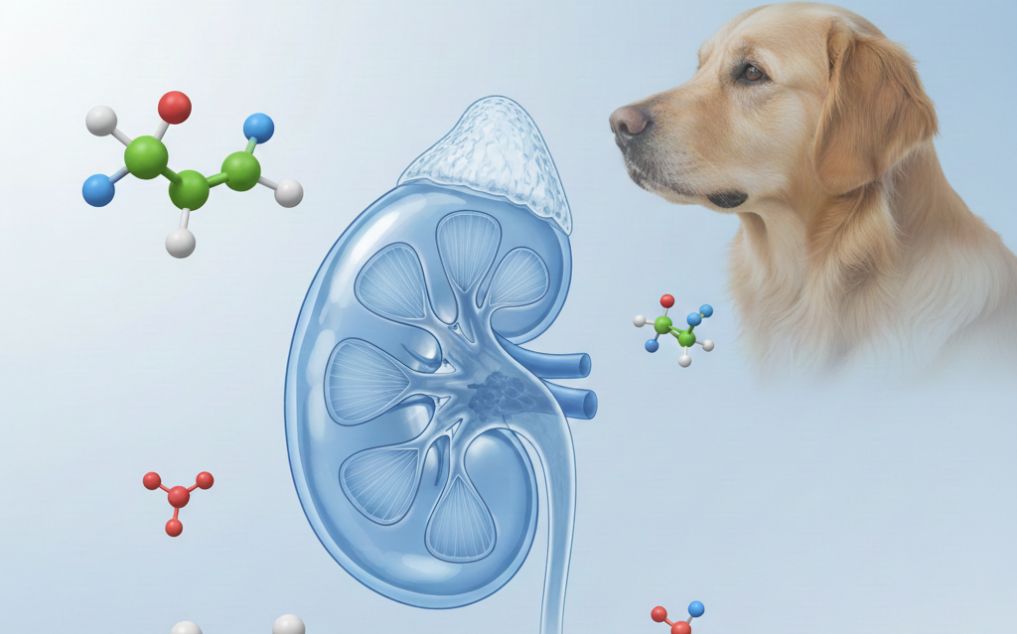
Symmetric dimethylarginine is an amino acid your dog’s body produces constantly as cells break down proteins. Every nucleated cell generates some SDMA, though concentrations peak in brain tissue. Unlike many waste products processed through multiple pathways, SDMA takes one primary route out: kidney filtration. Other waste products, such as urea, are also filtered by the kidneys and are commonly measured alongside SDMA to assess kidney function.
This single elimination pathway makes SDMA exceptionally valuable for assessing kidney function. When filtration slows, SDMA accumulates in the bloodstream at levels that correlate directly with glomerular filtration rate. SDMA serves as a reliable surrogate marker for measuring kidney function without the complexity and expense of traditional GFR testing methods.
Why SDMA Surpasses Traditional Kidney Markers
Creatinine levels remain normal until approximately 75% of kidney function disappears. This delayed response means dogs suffer substantial, irreversible damage before diagnosis becomes possible through conventional testing alone.
SDMA rewrites these rules. Research demonstrates that SDMA increases when 25-40% of kidney function declines, with average detection occurring around 40% functional loss. Studies tracking dogs with progressive kidney disease found that SDMA elevated an average of 9.8 months before creatinine, with individual cases showing detection anywhere from 2 to 27 months earlier.
Early detection creates opportunities for dietary modifications, medication protocols, and monitoring strategies that meaningfully slow disease progression. Interventions beginning at 40% functional loss have dramatically different success rates than treatments starting after 75% loss.
The Science Behind SDMA Detection in Dogs
How SDMA Functions as a Kidney Biomarker
SDMA functions as a GFR surrogate because its blood concentration rises proportionally as filtration capacity decreases. Research demonstrates strong correlations between SDMA and measured GFR, with studies showing correlation coefficients around 0.95 between SDMA and creatinine in dogs with kidney disease.
This reliability remains consistent across different body types and conditions. Dogs with reduced muscle mass—common in advanced kidney disease, cancer, or geriatric patients—often show falsely reassuring creatinine levels because muscle wasting reduces creatinine production. SDMA maintains accuracy regardless of lean body mass changes.
Non-Renal Factors That Don't Affect SDMA
Traditional kidney markers come with complications. Creatinine interpretation requires considering muscle mass, breed differences, age-related changes, and recent dietary protein intake. BUN fluctuates with dehydration, gastrointestinal bleeding, and dietary protein content.
SDMA sidesteps these complications. Lean body mass doesn’t influence SDMA concentrations. Dietary factors show minimal impact. Physical activity level doesn’t create false elevations. Age-related muscle changes don’t confound interpretation.
CompanAIn’s document analysis capabilities can help track these variables alongside SDMA results, building a comprehensive picture that accounts for your dog’s individual health context.
Glomerular Filtration: The Foundation of Kidney Health
Glomerular filtration is at the heart of your pet’s kidney health. This process involves the kidneys filtering waste products and excess fluids from the bloodstream, a function essential for maintaining overall health in dogs and cats. The efficiency of this filtration is measured by the glomerular filtration rate (GFR), which serves as a critical marker of kidney function. When GFR decreases, it signals that the kidneys are struggling—often before any outward signs of illness appear.
Chronic kidney disease (CKD) is a progressive condition commonly seen in both dogs and cats, marked by a gradual decline in kidney function over time. The International Renal Interest Society (IRIS) recognizes that kidney disease exists on a spectrum, ranging from early, subtle changes to advanced chronic kidney disease and even acute kidney injury (AKI). Early detection is vital, as it allows for timely intervention that can slow disease progression and preserve quality of life.
Serum SDMA concentration has emerged as a sensitive and reliable indicator of changes in GFR. Unlike creatinine, which can be influenced by lean body mass or muscle wasting, SDMA provides a more accurate reflection of kidney function regardless of your pet’s body condition. This makes SDMA an invaluable marker for early detection of kidney disease in both dogs and cats, enabling veterinarians to identify and address kidney dysfunction before significant damage occurs. By monitoring SDMA concentrations alongside other health data, pet owners and veterinarians can take proactive steps to support kidney health and manage disease at its earliest stages.
Idexx SDMA Testing: How the Test Works and What to Expect
IDEXX SDMA testing has become a cornerstone in the assessment of kidney function and kidney health for pets. This test measures the concentration of symmetric dimethylarginine (SDMA) in your pet’s blood—a biomarker that reflects how efficiently the kidneys are filtering waste. Because SDMA is produced by all nucleated cells and is almost exclusively excreted by the kidneys, its levels in the bloodstream provide a direct window into kidney function.
The testing process is straightforward and minimally invasive, requiring only a small blood sample from your dog or cat. Once collected, the sample is analyzed in a laboratory, with results typically available within a few days. These results offer valuable insights into your pet’s kidney health, often revealing early changes in kidney function before any clinical signs of disease are present.
One of the greatest advantages of IDEXX SDMA testing is its ability to detect kidney disease at an early stage, when interventions can be most effective. Early detection means your veterinarian can recommend dietary changes, medications, or other management strategies to slow disease progression and improve your pet’s quality of life. Regular SDMA testing is a proactive way to monitor kidney health, catch problems early, and ensure your pet receives the best possible care throughout every stage of life.
Interpreting SDMA Results in Dogs
Understanding Reference Intervals
The standard reference interval for adult dogs runs from 0-14 µg/dL. Puppies have a slightly higher reference interval of 0-16 μg/dL during rapid growth phases, though most puppies fall within adult ranges even during development.
This puppy variation reflects physiological differences during rapid cellular turnover and protein metabolism. Dogs typically reach adult reference intervals as their growth phase concludes, though exact timing varies by breed.
Mildly elevated SDMA in puppies between 14-16 µg/dL warrants monitoring rather than immediate alarm. Veterinarians typically recommend complete urinalysis to assess for other kidney disease indicators, followed by rechecking SDMA as the puppy matures.
Interpreting Elevated SDMA Levels
SDMA results exceeding 14 µg/dL trigger diagnostic protocols, though interpretation depends on the degree of elevation and clinical context. Mildly increased levels between 15-19 μg/dL represent an important detection threshold. Research tracking thousands of dogs found that 42% with initial SDMA in this range showed persistent elevation on follow-up testing, while only 18% had concurrent creatinine increases.
Nearly half of dogs with mild SDMA elevations maintain elevated levels over time, suggesting real functional decline rather than temporary variation. Yet creatinine remains normal in most cases, meaning conventional testing alone would miss these dogs entirely.
When SDMA reaches 20 µg/dL or higher, kidney disease becomes probable. Veterinarians implement comprehensive diagnostic protocols at this threshold, including complete urinalysis to assess urine concentration ability, proteinuria, and other abnormalities.
When SDMA exceeds 25 µg/dL, approximately 92% of dogs show creatinine elevation within 24 months. This predictive value helps veterinarians anticipate disease progression and implement interventions before clinical signs emerge.
The Role of SDMA Persistence in Diagnosis
Single elevated SDMA results require thoughtful interpretation. Transient elevations can occur with dehydration, reduced kidney blood flow, or other temporary conditions affecting filtration rate. Dogs with persistent SDMA elevation across several measurements, even without elevated creatinine, warrant consideration for early-stage chronic kidney disease.
CompanAIn’s trend detection features excel at identifying these patterns, analyzing lab results over time to highlight consistent elevations versus isolated fluctuations.
Clinical Implications for Dog Owners and Veterinarians
Early Detection Enables Earlier Intervention
The primary advantage of SDMA testing lies in creating opportunities for early intervention. Identifying kidney disease at IRIS Stage 1—when SDMA elevates but creatinine remains normal—allows veterinarians to implement preventive strategies before significant kidney damage accumulates.
Prescription kidney diets reduce metabolic stress on remaining functional nephrons, potentially extending the time before advanced disease develops. Phosphate binders help manage mineral imbalances that accelerate kidney deterioration. Blood pressure management prevents hypertensive damage to kidney structures.
Dogs beginning kidney-supportive care at Stage 1 or 2 often maintain stable function for months or years. Dogs diagnosed at Stage 3 or 4 face steeper challenges because substantial irreversible damage has already occurred.
Monitoring Stable vs. Progressive Kidney Disease
Dogs with borderline or mildly elevated SDMA enter monitoring protocols that distinguish stable from progressive disease. Veterinarians typically recommend rechecking SDMA approximately two weeks after initial detection to confirm results, then monitoring approximately every three months.
This systematic approach helps veterinarians identify dogs requiring escalated intervention versus those maintaining stable early-stage disease. Stable Stage 1 or 2 disease carries a fundamentally different outlook than rapidly progressing disease showing consistent SDMA increases.
Interpreting SDMA in Conjunction with Other Findings
SDMA never stands alone in diagnostic decision-making. Veterinarians interpret results alongside complete urinalysis, hydration status, physical examination findings, and other blood parameters including creatinine and BUN. The association between elevated SDMA and other clinical indicators can help guide diagnosis and management decisions.
Dehydration can artificially elevate SDMA levels by reducing GFR through decreased kidney blood flow. Dogs presenting with elevated SDMA and appropriate urine concentration ability (specific gravity above 1.030) suggest primary kidney disease. Dogs with dilute urine despite elevated SDMA indicate that kidneys have lost concentration capacity, confirming functional impairment.
CompanAIn’s AI-powered chat agent can help pet owners understand these distinctions by answering questions about their dog’s specific lab results in context with other health information.
SDMA Beyond Chronic Kidney Disease
SDMA's Role in Acute Kidney Injury
While SDMA gained recognition primarily for detecting chronic kidney disease, emerging research demonstrates value in acute kidney injury scenarios. Dogs experiencing acute pancreatitis, sepsis, or other acute systemic conditions can develop rapid kidney damage.
Research on dogs with acute pancreatitis found that approximately 45% had elevated SDMA despite normal creatinine, suggesting subclinical kidney involvement. This early detection capability allows veterinarians to implement supportive measures that may prevent temporary kidney injury from progressing to permanent damage.
Acute kidney injury often responds to aggressive supportive care, with potential for substantial functional recovery. Chronic kidney disease involves irreversible structural changes requiring lifelong management.
SDMA in Secondary Kidney Disease
Elevated SDMA doesn’t always indicate primary kidney disease. Dogs with hypertension face increased risk of kidney injury from sustained high blood pressure damaging delicate kidney structures. Vector-borne diseases can cause immune-mediated kidney inflammation. Vector-borne disease exposure has been linked to long-term risks for kidney health in dogs, making regular SDMA monitoring especially important in these cases. Systemic inflammatory conditions trigger cascading effects that include kidney involvement.
Regular SDMA monitoring in at-risk populations enables early identification of secondary kidney disease. CompanAIn’s personalized care plans incorporate information about underlying conditions that might affect kidney health, providing tailored recommendations that account for your dog’s complete health picture.
Dogs and Cats: Species-Specific Considerations
While both dogs and cats are susceptible to kidney disease, there are important differences in how these conditions develop and progress in each species. In dogs, SDMA testing has proven to be a sensitive and specific marker for kidney function, often detecting kidney disease earlier than traditional serum creatinine concentrations. This early detection is crucial for initiating timely treatment and monitoring disease progression.
In cats, SDMA testing is equally valuable, especially for those with chronic kidney disease (CKD). Feline CKD is frequently associated with proteinuria and immune-complex glomerulonephritis (ICGN), conditions that can be identified and monitored through regular SDMA testing. Additionally, both dogs and cats can be affected by vector-borne diseases such as Ehrlichia spp, which may compromise kidney function. SDMA testing helps veterinarians detect these changes, even when other markers remain within normal ranges.
To ensure comprehensive kidney health monitoring, a chemistry panel that includes SDMA should be performed regularly for both dogs and cats. This approach allows for early identification of kidney dysfunction, tracking of disease progression, and timely intervention—helping pets live longer, healthier lives.
What does a mildly elevated SDMA result (15-19 µg/dL) mean for my dog?
A mildly elevated SDMA suggests your dog’s kidneys show early signs of decreased function. About 42% of dogs with results in this range show persistent elevation on follow-up testing. Your veterinarian will recommend additional urinalysis and follow-up SDMA testing approximately two weeks later to confirm whether the elevation persists.
Can SDMA be elevated from something other than kidney disease?
Yes. Dehydration, reduced blood flow to the kidneys from any cause, and certain systemic conditions can temporarily elevate SDMA without indicating intrinsic kidney disease. Complete urinalysis and evaluation of hydration status are essential. Your veterinarian examines the complete clinical picture before concluding kidney disease is present.
How often should my dog be tested for SDMA?
Dogs with normal SDMA results benefit from periodic testing during routine wellness exams, particularly as they age. Dogs with elevated but stable SDMA typically need rechecking every three months. Dogs showing consistent SDMA increases require more frequent monitoring. Your veterinarian will recommend an appropriate schedule based on your dog’s individual situation.
Is SDMA testing expensive compared to traditional kidney markers?
SDMA testing costs more than basic creatinine and BUN panels, but many comprehensive chemistry profiles now include SDMA automatically. The additional cost often proves justified through earlier detection capabilities that can reduce overall healthcare expenses. Catching kidney disease at Stage 1 or 2 allows interventions that may slow progression, potentially avoiding costs associated with managing advanced kidney failure.
Should all dogs be tested for SDMA?
While universal screening isn’t necessary for all dogs, SDMA testing provides particular value for senior dogs, breeds predisposed to kidney disease, and dogs with risk factors like hypertension or previous exposure to nephrotoxic substances. Discussing appropriate screening protocols with your veterinarian helps determine whether SDMA testing fits your dog’s individual health assessment needs.
Can SDMA results predict whether my dog's kidney disease will progress?
SDMA indicates current kidney function status rather than definitively predicting future progression rates. However, very high SDMA levels exceeding 25 µg/dL and rapidly rising SDMA values between tests suggest more aggressive disease patterns. Your veterinarian uses trending data to estimate progression likelihood and adjust management strategies accordingly.
Limitations and Future Directions for SDMA Testing
While SDMA testing has transformed the early detection and management of kidney disease, it is important to recognize its limitations. Recent studies indicate that although SDMA is a sensitive marker for changes in glomerular filtration rate (GFR), it may not always be more specific than serum creatinine. This means that while SDMA can reliably indicate early kidney dysfunction, it may sometimes yield false positives or be influenced by factors unrelated to kidney health.
Diet and other non-renal factors can also affect SDMA concentrations, highlighting the need for a holistic approach to interpreting results. The reference interval for SDMA is still being refined, with ongoing research suggesting that different cut-offs may be appropriate for certain populations or disease stages.
As veterinary medicine continues to evolve, further research will help clarify the relationship between SDMA, kidney function, and other health variables. This will lead to even more accurate and reliable testing methods, enhancing early detection and management of kidney disease. For now, SDMA remains a valuable tool—especially when used alongside other diagnostic markers and clinical information—to guide proactive care and improve outcomes for pets at risk of kidney disease.
SDMA as a Game-Changer in Canine Kidney Health
SDMA testing represents a significant advancement in detecting canine kidney disease before irreversible damage occurs. By identifying decreased kidney function months or years before traditional markers, SDMA creates opportunities for veterinarians to intervene earlier, potentially slowing disease progression and extending quality of life. Early detection and management of kidney disease can also reduce mortality rates in affected dogs.
CompanAIn’s comprehensive health tracking platform brings together SDMA results, veterinary notes, lab reports, and health observations into one intelligent system. By analyzing patterns across your dog’s complete health history, CompanAIn helps identify trends that might otherwise go unnoticed, supporting earlier detection and more proactive care decisions. While some kidney conditions cannot be cured, they can be effectively treated and managed to improve outcomes and extend lifespan. As awareness of SDMA’s diagnostic value continues growing, this biomarker establishes itself as an essential component of comprehensive canine healthcare screening and management protocols.