
Pet healthcare is not broken, but it is fragmented. Each record, each visit, and each observation may be accurate on its own, but without a timeline, the story remains incomplete.
Veterinary professionals do extraordinary work under pressure and pet owners do their best to notice changes. Even in combination, they are often working from snapshots, not a full health narrative, and that is where early signals go unnoticed.
Why This Matters
In human healthcare, even modestly connected systems help track labs, medications, and diagnoses. Veterinary systems are still catching up when it comes to interoperability and standardization.
Many practices use a combination of modern and legacy tools such as PDFs, scanned documents, and unstructured SOAP notes, which makes consolidation challenging. 1
Lab results, even when digital, vary in format depending on the provider. A result from IDEXX may not look like one from Antech or Zoetis, making trend comparison difficult.
Pets often see two or three clinics during their lifetime, moving between general, specialty, and emergency care — each with its own record system. 2
What results is not a lack of care, but a lack of continuity. Without a connected view, it is difficult for veterinarians or pet owners to catch emerging patterns or subtle shifts in a pet’s health.
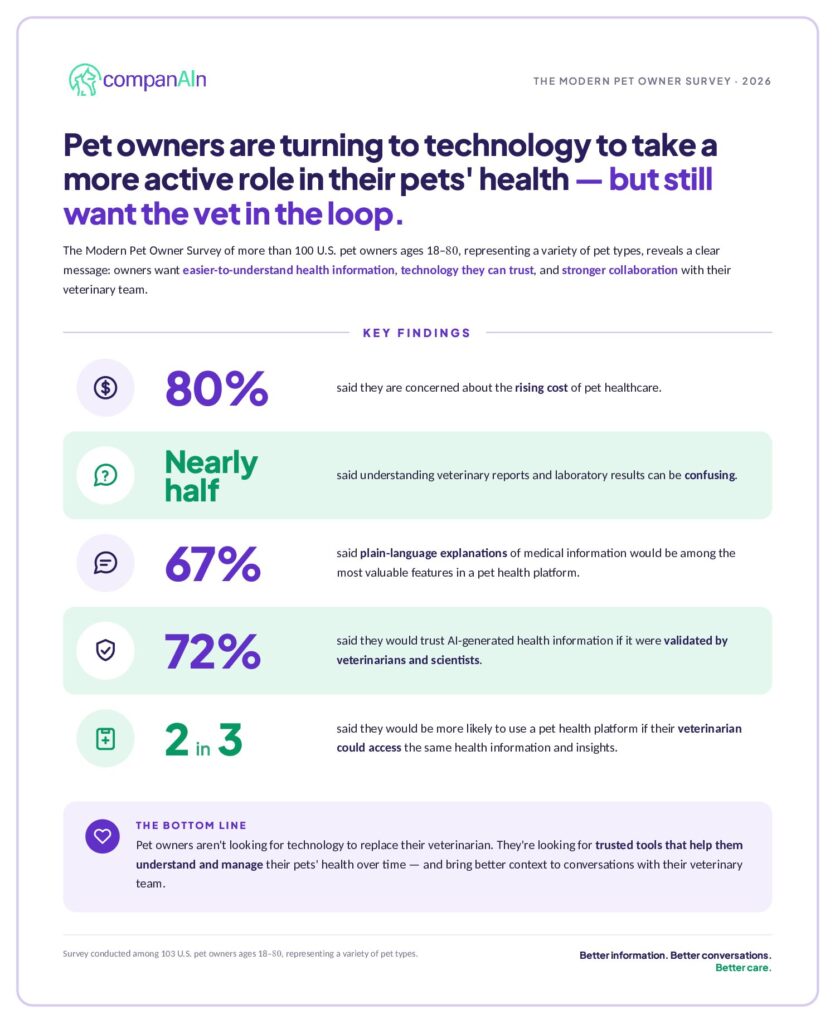
Owners increasingly want that clarity: A recent survey found that 74% of pet owners want greater access and transparency around their pet’s health records. More than half said they would take more proactive steps if health trends or risks were easier to understand. 3
Pet healthcare, like human healthcare, is moving toward personalized, proactive decision-making. Today’s owners treat their companion animal like family — and manage their care accordingly. They are investing in diagnostics, adjusting nutrition, tracking supplements, and logging symptoms.
Cooper
Liver decline
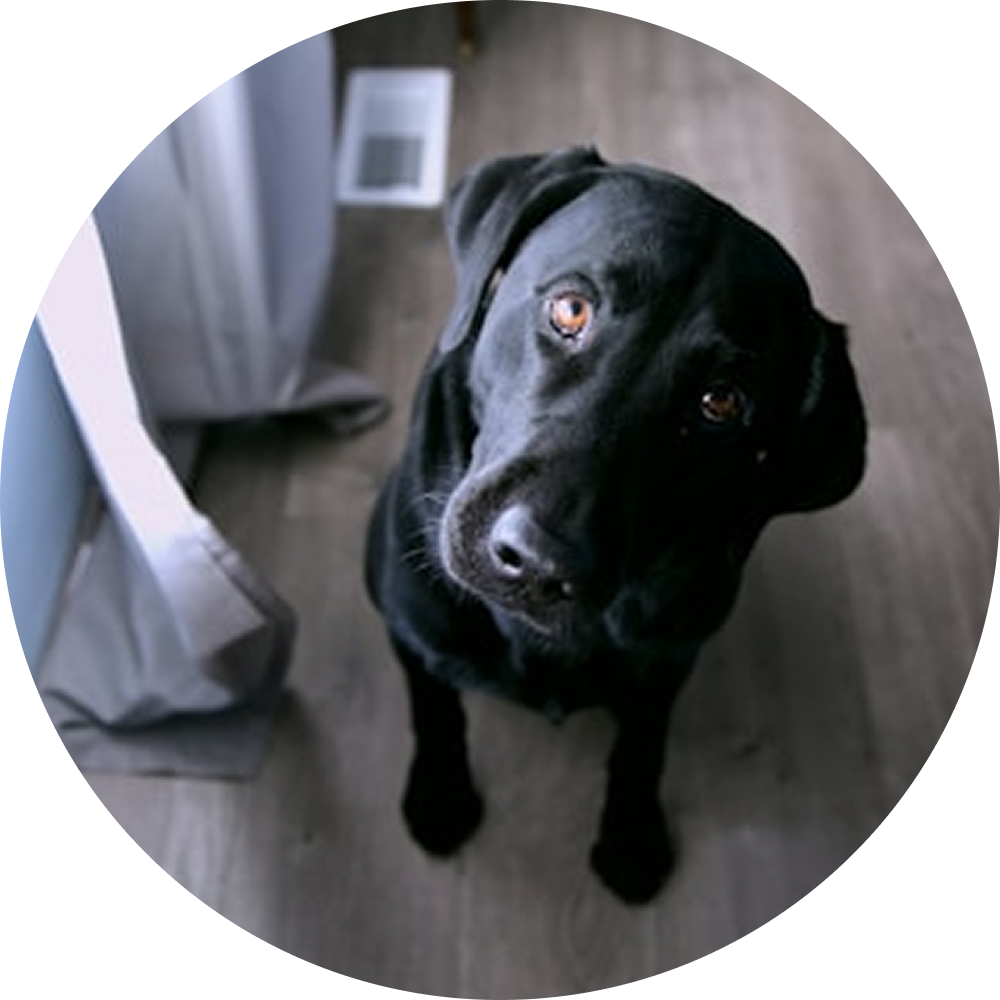
A 9-year-old Labrador Retriever shows slightly elevated ALT levels across three annual wellness visits:
• Year 1: ALT at 105 U/L (upper reference: 118)
• Year 2: ALT at 128 U/L (mild flag)
• Year 3: ALT at 142 U/L (no symptoms, not escalated)
Each result is near-normal on its own. But over three years, ALT rises by 35% – a trajectory that might signal early liver stress if contextualized with history.
Without a timeline to connect the dots, a potential liver issue is missed. Eighteen months later, the dog presents with vomiting and jaundice. The diagnosis: liver disease.
Oliver
Kidney decline
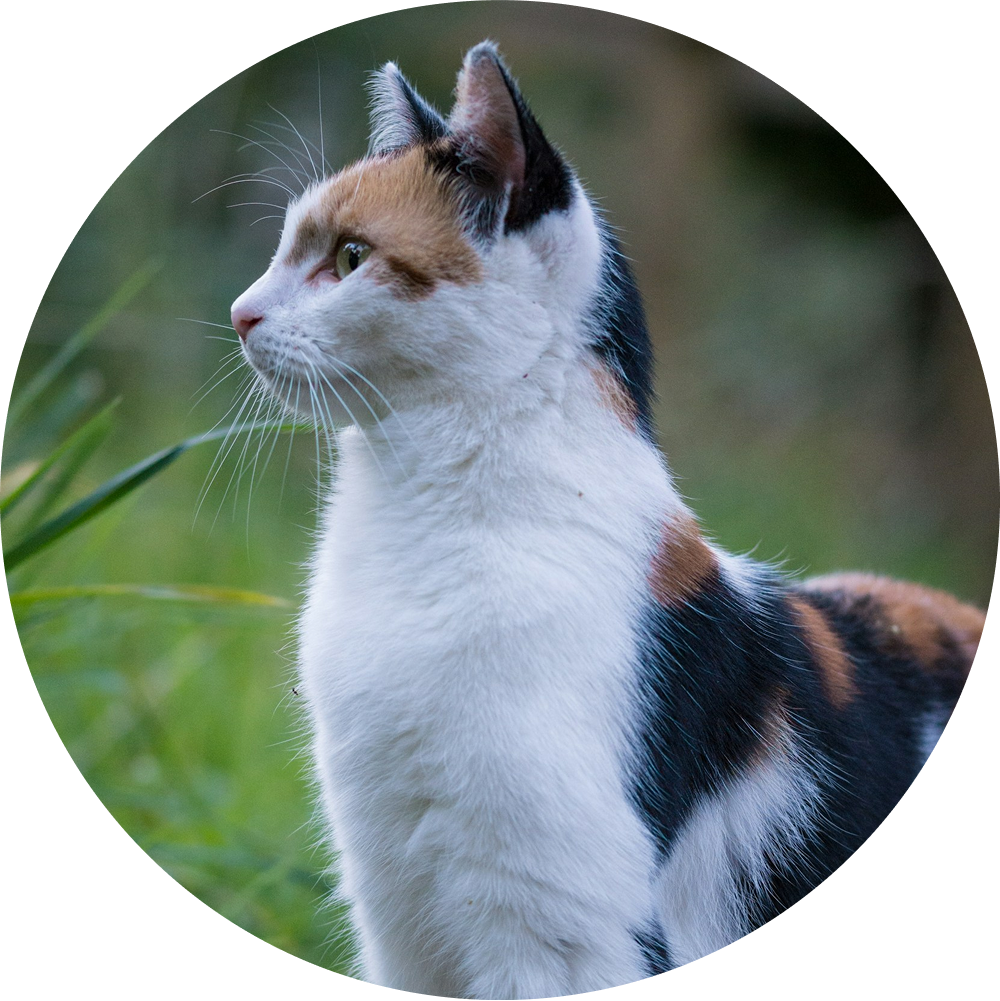
Chronic kidney disease (CKD) affects 30–40% of cats over the age of ten.
Early-stage CKD often goes undiagnosed — not due to lack of data, but lack of visibility. 4
Take a cat whose creatinine rises from 1.5 to 1.8 to 2.1 mg/dL over three years. Each reading falls within an “acceptable” range. No one sees the upward trend.
Unless the owner is manually tracking those numbers across visits, which most are not, the condition is missed until symptoms appear.

Jules
Seasonal inflammation
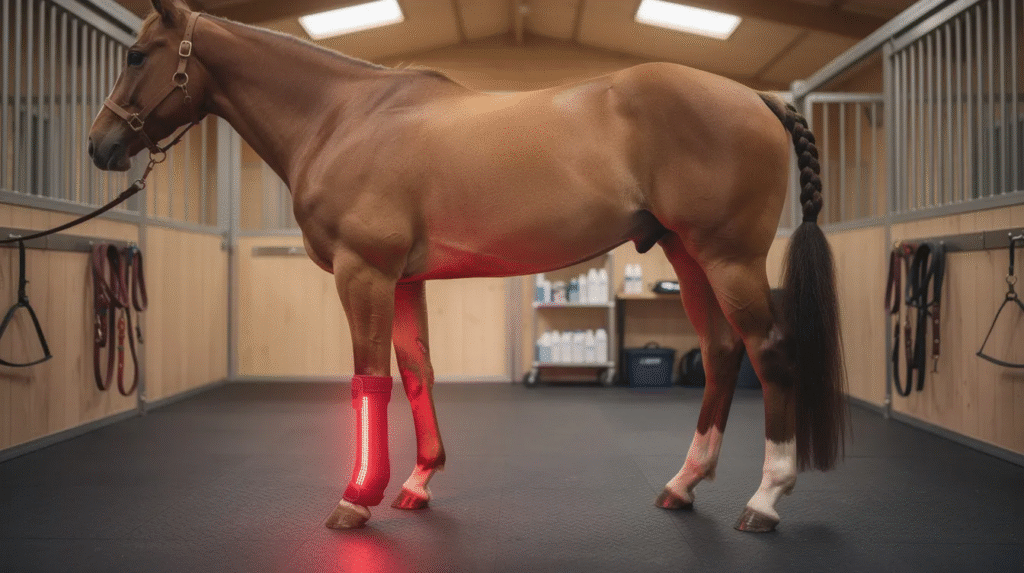
Jules, a 14-year-old gelding, is seen every spring for subtle discomfort. Gait analysis shows reduced hock flexion. Fibrinogen is mildly elevated, but not alarming. The standard treatment is rest and Bute.
However, no one notices this pattern repeats each year. No one compares seasonal lab results. No one explores whether the discomfort is linked to pollen, pasture changes, or workload shifts.
This is not negligence, but a lack of connected visibility. Without a unified timeline, the opportunity for early intervention is lost. 5 6
What Is Actually Missing?
The data exists, but it lives static in:
Annual lab panels
Discharge summaries from emergency visits
Technician notes entered during appointments
Observations shared by owners via email, text, or memory
But what is missing is the stitching that brings those pieces together into a timeline.
Most veterinary EMRs are built for documentation and billing, not for reasoning, prediction, or pattern detection.
There is no standard method that automatically tracks:
Biomarker drift over multiple years
Medication history across clinics
Repeated symptom patterns tied to geography, season, or life stage
And existing AI tools, where they exist, are built on human datasets, which are far more structured and consistent than animal health data.
What Longitudinal Intelligence Looks Like
Imagine a system where:
ALT values are plotted over time with context-aware flags
Owner-submitted notes (“less energy after walks this month”) are timestamped and matched to lab values
Annual wellness visits are compared to historical records and summarized automatically
This is not theoretical. In human care, it is already happening and veterinary patients deserve the same, and arguably more, because their health data is harder to access and connect.
The Impact of Timeline Awareness
A timeline is not just about cleaner records. It can mean:
Earlier recognition of conditions like CKD, liver disease, or endocrine disorders
Better outcomes through timely and targeted interventions
Fewer repeated diagnostics
More collaborative communication between owners and veterinary teams
And above all, it helps us treat the whole health journey, not just the symptom of the day. Learn how veterinary AI tools with empathetic oversight keep vets in the loop while improving continuity of care