
What Defines a Working Dog and How to Train One Effectively
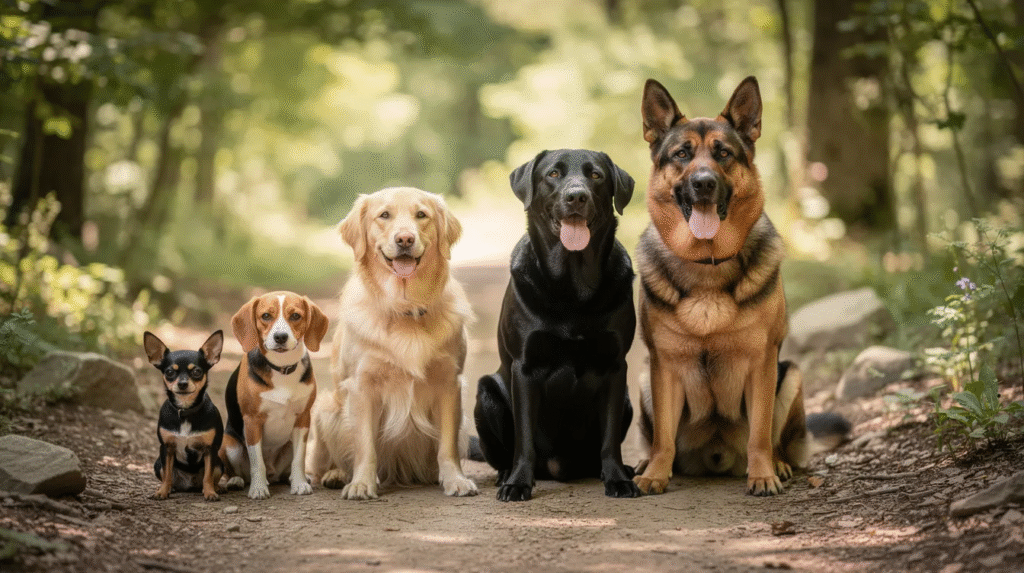
Working dogs are bred and trained to perform real-world tasks such as guarding, detection, rescue, and livestock protection. According to the American Kennel Club (AKC), Working Group dogs are known for their intelligence, strength, alertness, and ability to learn quickly—but they also require proper training and socialization due to their size and instincts. akc.org
Understanding working dogs requires looking at both what they do and how they are trained to do it.
What Is a Working Dog?
A working dog is a dog specifically bred and trained to perform a functional role that supports humans, animals, or the environment. These roles vary widely but share a common requirement: reliability under real-world conditions.
Working dogs are typically categorized into:
- Guard and protection dogs
- Detection dogs (explosives, narcotics, medical detection)
- Search and rescue dogs
- Livestock guardian dogs
- Draft and sled dogs
Each role requires different training methods, but all depend on strong foundational development.
Common Types of Working Dogs
Detection and Search Dogs
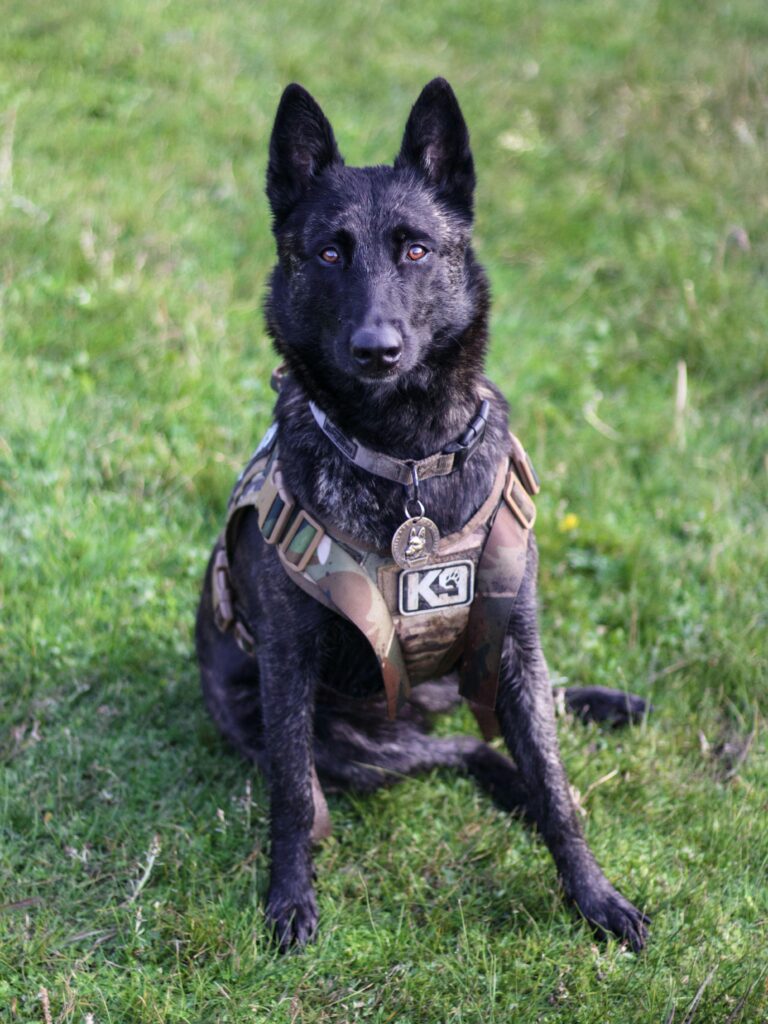
The University of Pennsylvania School of Veterinary Medicine’s Working Dog Center trains dogs for roles such as explosives detection, narcotics detection, search and rescue, and even disease detection. These dogs rely heavily on scent work, environmental confidence, and handler communication. vet.upenn.edu
Livestock Guardian Dogs
University of California Cooperative Extension resources explain that livestock guardian dogs are trained differently from other working dogs. Instead of focusing on obedience tasks, they are raised to bond with livestock and protect them through attentiveness and appropriate defensive behavior. ucanr.edu
What Makes a Good Working Dog?
Across AKC and university sources, several consistent traits define successful working dogs:
- Stable temperament
- High trainability
- Physical capability
- Environmental confidence
- Ability to remain focused under stress
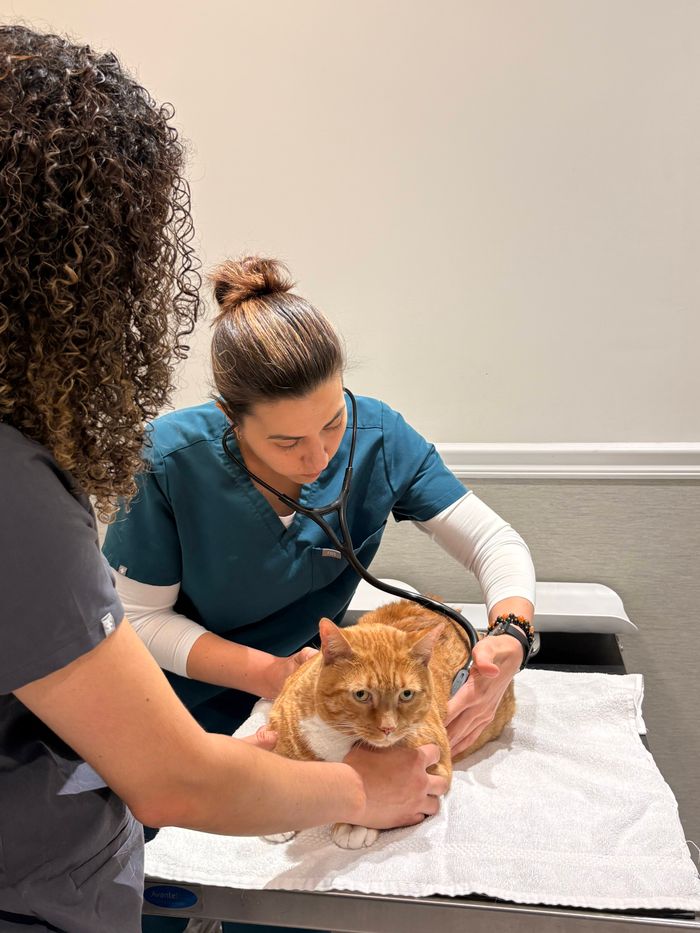
UC Davis emphasizes that early development plays a critical role, noting that properly socialized puppies are more likely to become confident and predictable adult dogs. vetmed.ucdavis.edu
Why Early Socialization Is Critical
The most important developmental window for a working dog is early in life.
UC Davis identifies the primary socialization period between 3 and 14 weeks, when puppies are especially receptive to new experiences. During this time, controlled, positive exposure to different environments, people, and stimuli builds long-term resilience. vetmed.ucdavis.edu
Without proper early exposure, even genetically strong working dogs may struggle with fear, reactivity, or inconsistency.
The Working Dog Training Process
Training a working dog is not a single phase—it is a progression.
1. Selection and Role Fit
Training begins with choosing the right dog for the job. University extension resources emphasize that success depends on matching the dog’s temperament, instincts, and physical ability to the specific role. ucanr.edu
2. Early Socialization and Handling
At this stage, the goal is to build confidence, not specialization. Puppies should be exposed to a wide range of environments and handling scenarios in a controlled and positive way.
3. Foundational Training
Penn Vet begins structured training as early as eight weeks, focusing on:
- Obedience
- Search behavior
- Agility
- Fitness
- Engagement
These foundational skills act as a base for later specialization. vet.upenn.edu
4. Job-Specific Training
Once the foundation is established, training becomes specialized.
- Detection dogs learn scent identification and search patterns
- Guardian dogs develop bonding and protective behaviors
- Rescue dogs train for location and signaling
5. Supervised Real-World Exposure
Dogs must practice their skills in real environments. For livestock guardian dogs, this means working directly with animals under supervision to prevent inappropriate behaviors like chasing or rough play. ucanr.edu
6. Advanced Specialization
At this stage, dogs refine their skills for specific roles such as detection, law enforcement, or rescue operations.
The Role of Positive Reinforcement
Modern working dog programs rely heavily on positive reinforcement.
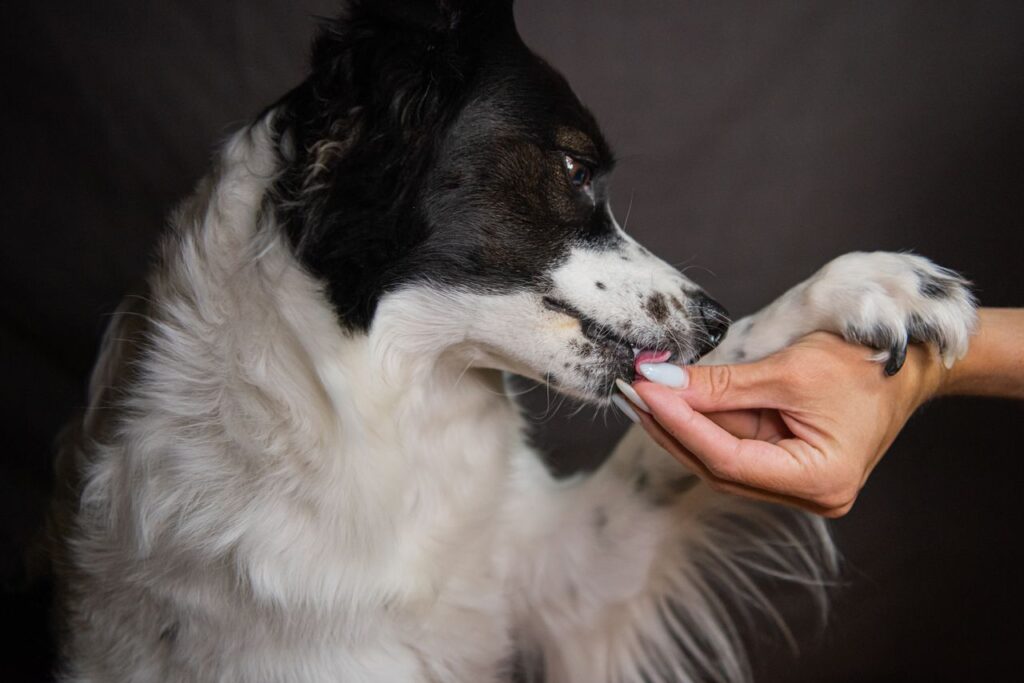
UC Davis emphasizes the use of rewards such as food, toys, and praise to build reliable behaviors, along with consistency and gradual exposure to distractions. vetmed.ucdavis.edu
Penn Vet’s handler education programs also highlight the importance of reinforcement-based training for building durable, repeatable performance. vet.upenn.edu
How Training Differs by Working Role
Not all working dogs are trained the same way.
Detection and Search Dogs
- Focus on scent work, problem-solving, and handler communication
- Require high motivation and environmental stability
Livestock Guardian Dogs
- Focus on bonding with livestock
- Require calm temperament and independence
- Training emphasizes behavior shaping rather than obedience drills
University extension materials emphasize that guardian dogs are fundamentally different from obedience or herding dogs in both purpose and training approach. ucanr.edu
Common Training Mistakes
- Delaying socialization
- Overwhelming puppies with negative experiences
- Failing to match the dog to the job
- Skipping foundational training
- Allowing bad habits to develop in real environments
These issues can significantly reduce a dog’s ability to perform reliably.
Monitoring Development and Performance
Consistent tracking of behavior, health, and performance is critical for working dogs.
Changes in energy, recovery, or behavior can impact training outcomes and long-term effectiveness. Using tools that track these patterns over time can help identify issues early and maintain peak performance.
Track development and behavioral trends over time with CompanAIn
Monitor ongoing performance and daily changes
Supporting Long-Term Working Ability
Working dogs operate under physical and mental stress, making ongoing health monitoring essential.
Tracking patterns such as activity levels, recovery, and physiological changes can help ensure the dog remains fit for duty and reduce the risk of injury or burnout.
Learn how structured monitoring supports working dogs with CompanAIn
Frequently Asked Questions
What is considered a working dog?
A working dog is a dog trained to perform a functional job such as guarding, detection, rescue, or livestock protection. The AKC classifies these breeds in the Working Group. akc.org
When should working dog training begin?
Training begins early. UC Davis identifies 3–14 weeks as the key socialization window, while Penn Vet begins structured training at around eight weeks. vetmed.ucdavis.edu
Are all working dogs trained the same way?
No. Training varies significantly depending on the role. Detection dogs rely on scent work and structured drills, while livestock guardian dogs are trained through bonding and environmental exposure. vet.upenn.edu
Why is socialization so important?
Early socialization builds confidence, stability, and adaptability—critical traits for any working dog. vetmed.ucdavis.edu
Final Thought
Working dogs are not just trained—they are developed over time through careful selection, structured exposure, and progressive training.
When done correctly, the result is a dog capable of performing complex tasks reliably in real-world conditions.
And increasingly, the difference between a good working dog and a great one comes down to how well their development is monitored and refined over time