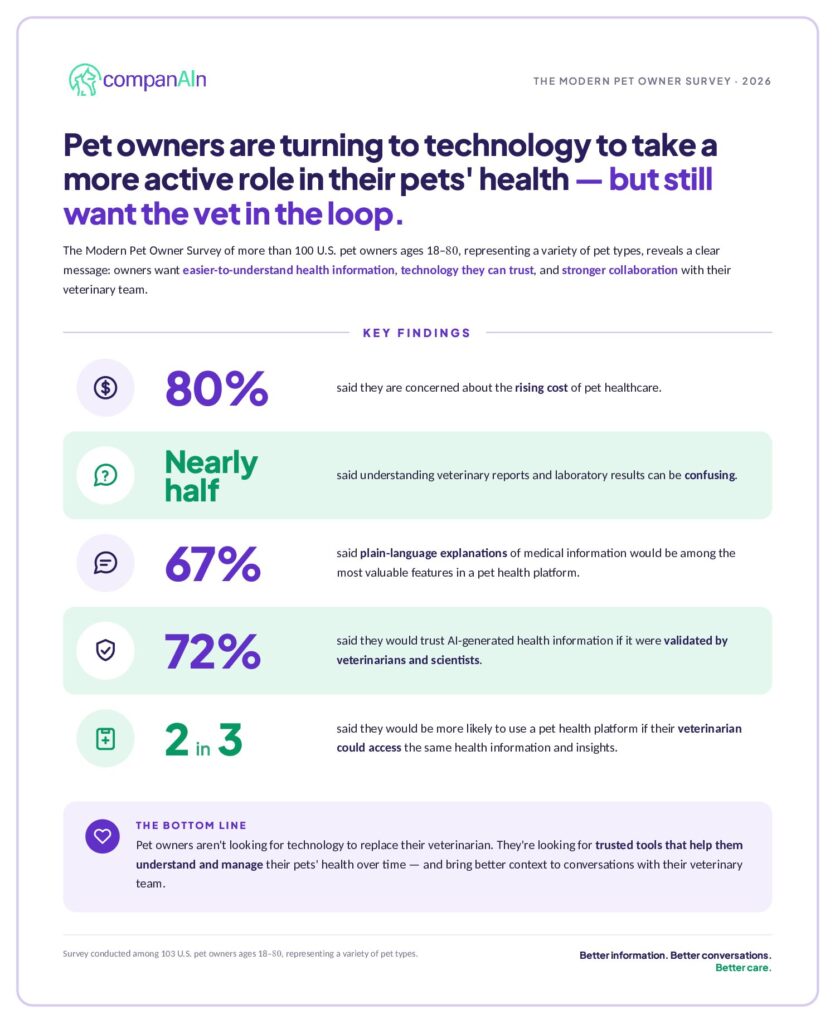

Your veterinarian hands you a lab report filled with abbreviations like BUN, ALT, and T4—numbers ranging from normal to flagged. You want to understand what these results mean for your cat’s health, but decoding medical terminology feels overwhelming. That’s where knowing what cat blood tests show becomes essential for every responsible pet owner.
Blood work reveals critical insights about your cat’s internal health, from kidney function to hidden infections. CompanAIn bridges the gap between complex veterinary data and clear understanding, using AI technology to translate lab results into accessible explanations that help you make informed decisions about your cat’s care.
Why Veterinarians Order Cat Blood Tests
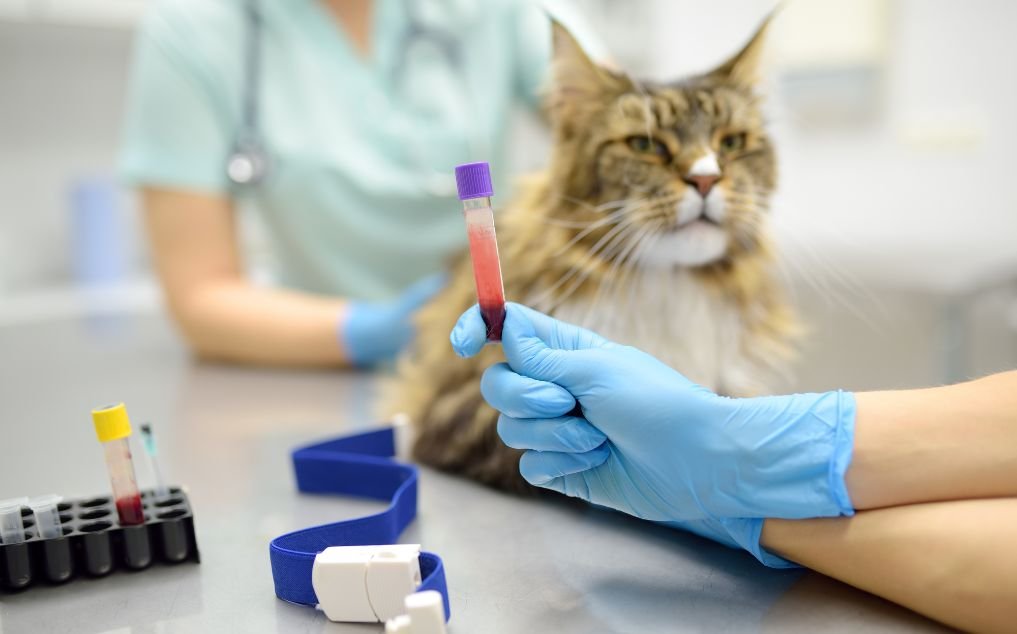
Blood work isn’t just for sick cats—it’s a cornerstone of preventive veterinary medicine. Annual wellness exams for adult cats typically include baseline blood testing to establish normal values before problems develop. This proactive approach catches diseases in early stages when treatment is most effective.
Veterinarians order blood tests for several key reasons: diagnostic investigation when symptoms appear, pre-operative screening to ensure anesthesia safety, monitoring chronic conditions like diabetes or kidney disease, and age-related screening for senior cats over seven years old.
Early detection through routine blood work can extend your cat’s lifespan by years with proper management. Regular screening allows veterinarians to catch diseases like chronic kidney disease, which affects up to 30-40% of senior cats, in their earliest and most treatable stages.
Common Cat Blood Test Components Explained
Complete Blood Count (CBC)
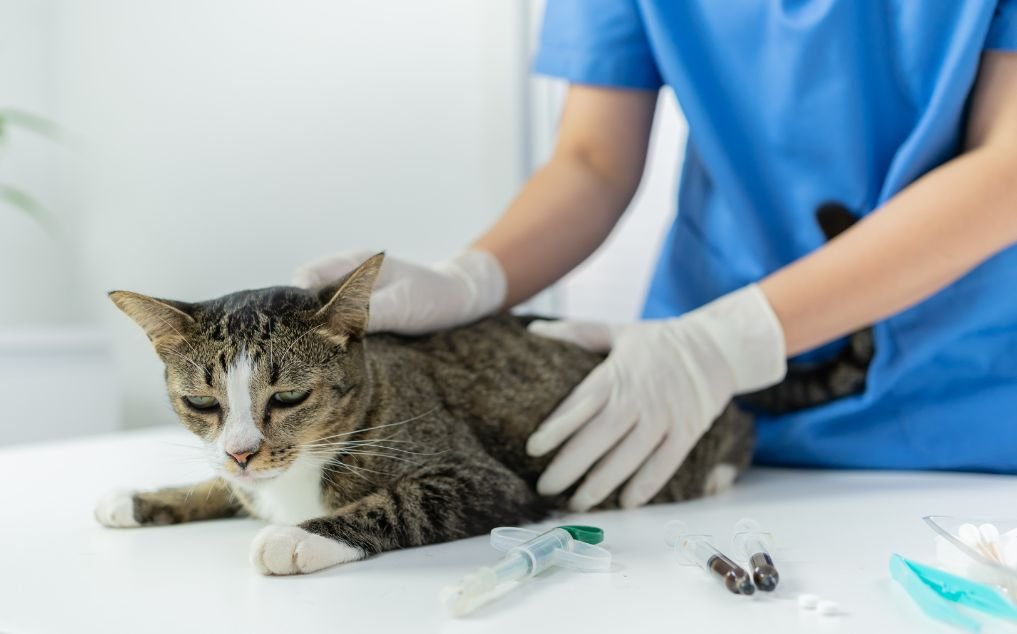
The CBC examines your cat’s blood cells, providing insights into infection, anemia, and clotting ability. White blood cells fight infection—elevated counts suggest your cat’s immune system is responding to bacteria, viruses, or inflammation. Low white cell counts can indicate bone marrow problems or overwhelming infection.
Red blood cells carry oxygen throughout your cat’s body. Low red cell counts reveal anemia, which causes weakness and fatigue. High counts are less common but may indicate dehydration or certain diseases.
Platelets enable blood clotting—abnormal platelet levels affect your cat’s ability to stop bleeding from injuries or during surgery.
Blood Chemistry Panel
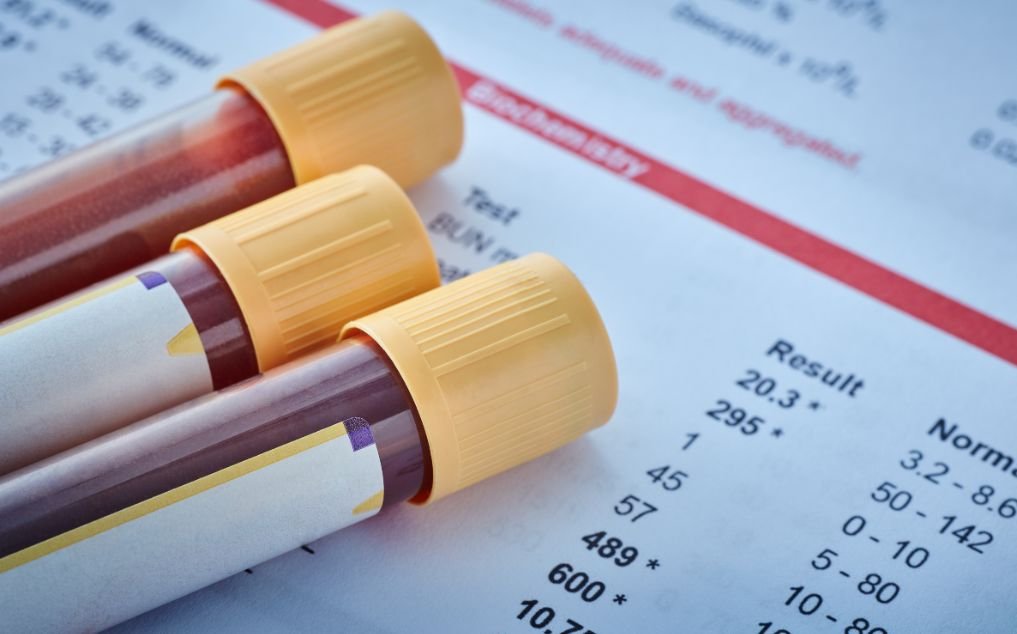
Chemistry panels reveal how your cat’s organs are functioning. Kidney markers like BUN (blood urea nitrogen) and creatinine are particularly important—up to 30-40% of cats over age 10 develop chronic kidney disease, often first detected through elevated values on routine blood work.
Liver enzymes (ALT, AST, bilirubin) indicate liver health. Elevated levels suggest liver inflammation, damage, or disease requiring further investigation.
Glucose measurements screen for diabetes mellitus, a common condition in overweight and senior cats. Persistently high glucose levels combined with symptoms like increased thirst warrant immediate attention.
Electrolytes including sodium, potassium, and chloride maintain fluid balance and nerve function. Imbalances can cause serious complications, especially in cats with kidney disease or vomiting.
Protein levels reflect nutritional status and immune function—both high and low values provide diagnostic clues about underlying conditions.
Thyroid Testing (T4)
Hyperthyroidism affects 10% of senior cats, making thyroid screening essential for older felines. The T4 test measures thyroid hormone levels—elevated values indicate an overactive thyroid gland.
Symptoms include weight loss despite increased appetite, hyperactivity, and poor coat quality. Left untreated, hyperthyroidism damages the heart and kidneys.
Feline Leukemia (FeLV) and FIV Testing
These infectious disease panels screen for serious viral infections. Feline leukemia affects 2-3% of cats in the United States, suppressing immune function and causing cancer.
FIV (feline immunodeficiency virus) similarly compromises immunity. Both require lifelong management, making early detection crucial for protecting your cat and preventing transmission to other felines.
What Abnormal Results Mean
Context matters when interpreting blood work. A single elevated value doesn’t automatically mean disease—dehydration, stress, or even the time of day can affect results.
Your veterinarian compares findings against reference ranges specific to the laboratory and considers your cat’s age, breed, and symptoms.

Common abnormalities in feline blood work include elevated kidney markers, which may indicate chronic kidney disease, acute kidney injury, or dehydration requiring different treatments. Thyroid imbalances typically present as high T4 values in senior cats.
Low red blood cell counts indicate anemia. This means your cat might be bleeding internally, dealing with a long-term illness, or having bone marrow issues. High white blood cell counts signal infection. Your cat’s body is fighting bacteria, viruses, or inflammation.
Results vary by laboratory and even between individual cats. Some cats naturally run slightly outside “normal” ranges without any health problems.
Serial testing over time reveals trends more valuable than any single result. Your veterinarian interprets findings within the complete picture of your cat’s health history and physical examination.
How AI Can Help Understand Results
CompanAIn transforms confusing lab reports into clear, accessible information. The platform’s AI technology analyzes your cat’s blood work and provides immediate explanations in plain language, helping you understand what each value means and why it matters for your cat’s health. Critical alerts and low-confidence cases are reviewed by licensed veterinarians, ensuring the insights you receive are accurate and trustworthy.
Benefits of AI-assisted interpretation include instant access to educational information without waiting for callback appointments, clear explanations that make medical terminology understandable, and reference information that helps you prepare informed questions for your veterinarian.
CompanAIn doesn’t replace professional veterinary advice—it empowers you to participate actively in your cat’s healthcare decisions.
Upload your cat’s results to CompanAIn for AI-powered insights that bridge the gap between veterinary expertise and pet owner understanding. The platform organizes complex data into digestible summaries, highlights values requiring attention, and provides context for what test results reveal about your cat’s overall health.
Next Steps After Receiving Blood Test Results
Schedule a follow-up conversation with your veterinarian to discuss findings and treatment recommendations. Even normal results deserve discussion—they establish baseline values for future comparison.
If abnormalities appear, your vet may recommend additional testing, dietary changes, medication, or monitoring through repeat blood work.
Repeat testing timelines depend on your cat’s condition. Healthy adult cats need annual blood work, while senior cats benefit from testing every six to twelve months.
Cats with diagnosed conditions require more frequent monitoring—diabetic cats may need monthly glucose checks, while cats with kidney disease typically retest every three to six months.
Remember that AI-assisted interpretation through CompanAIn supplements but never replaces veterinary expertise. Use these tools to enhance your understanding and advocate effectively for your cat’s health, always following your veterinarian’s professional recommendations for diagnosis and treatment.
Frequently Asked Questions
How often should my cat have blood tests?
Adult cats between one and seven years typically need baseline blood tests yearly as part of wellness exams. Senior cats over seven years should have blood work every six to twelve months. Kittens and cats with existing health conditions may require more frequent testing as recommended by your veterinarian.
What should normal cat blood test ranges be?
Normal ranges vary significantly by laboratory and testing method. Your veterinarian provides reference ranges specific to their lab alongside your cat’s results. CompanAIn can help explain your specific values in context, comparing them to typical ranges while noting that individual variation is normal.
Why is my cat's kidney function elevated?
Elevated kidney markers like creatinine and BUN can indicate chronic kidney disease, acute kidney injury, dehydration, or other conditions affecting renal function. Your veterinarian should investigate the underlying cause through additional testing, urinalysis, and blood pressure measurement to determine appropriate treatment.
Can blood tests detect cancer in cats?
Blood tests show indirect signs of cancer such as anemia, inflammation, or abnormal protein levels, but they don’t definitively diagnose cancer. Imaging studies like ultrasound or X-rays, along with biopsies and cytology samples, are typically needed for confirmation and treatment planning.
Is fasting required before a cat blood test?
Yes, most veterinarians recommend eight to twelve hours of fasting before blood work to ensure accurate glucose and lipid readings. Water remains available during the fasting period. Ask your vet for specific pre-test instructions, especially if your cat takes medications or has health conditions requiring special preparation.