

Feeding breed specific dog food always sounds easier than matching a bag label to your dog’s paperwork. Whether you’re choosing between large breed formulas, navigating small breed options, or wondering if your mixed-breed pup actually needs specialized nutrition, confusion piles up fast—especially with so much food marketed for certain breeds and health needs—and guesswork becomes part of the routine.
Walking down the pet food aisle can be overwhelming, with countless foods marketed for specific breeds or health concerns, making it difficult for pet owners to know what’s truly best for their animal.
That’s where CompanAIn’s AI-powered health platform becomes genuinely helpful. From analyzing veterinary records to interpreting lab results and medical notes, the right technology keeps your dog’s health optimized and your nutrition decisions informed. With predictive health analytics, personalized care recommendations, and DVM-validated insights, it’s a tool that works quietly in the background. Knowing what nutrients matter for your dog’s size, which health predispositions require attention, and how AI enhances veterinary care can help you choose better and feed smarter.
Understanding Breed-Specific Dog Food Formulations
Breed-specific dog food refers to diets formulated to address nutritional needs and health predispositions common to certain breeds or sizes. Manufacturers research breed characteristics and physical traits that influence requirements, including biting patterns and the breed’s jaw structure, to create breed diets that support optimal health.
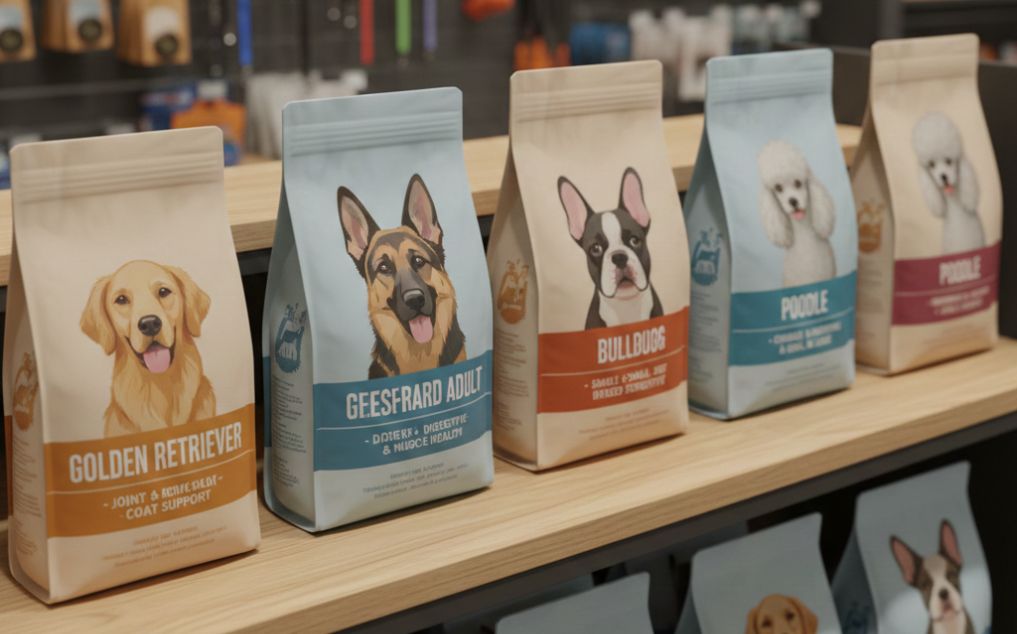
Kibble design matters significantly. Kibble shapes are tailored to accommodate different biting patterns and the breed’s jaw structure, which helps encourage proper chewing and supports healthy chewing habits. Small breeds need smaller pieces they can chew, while larger breeds benefit from bigger kibble that encourages slower eating and proper chewing. Breeds with flat faces like French Bulldogs need specially designed pieces.
Caloric density varies based on metabolic differences. Small breed foods pack more calories into smaller volumes because tiny dogs have faster metabolisms and smaller stomachs.
Nutrient profiles address breed-specific health concerns. Breed diets are formulated based on scientific research to address breed-related health issues. Large breeds receive controlled calcium—typically 0.7% to 1.2% on a dry matter basis. Small breeds get higher protein and fat to fuel metabolism. Joint-supporting nutrients like glucosamine appear more frequently in large-breed formulations.
Size-Based Nutritional Differences: Large vs. Small Breed Dogs
Size creates fundamentally different nutritional challenges that go beyond simple portion control.
Large dogs and giant breed dogs have unique nutritional needs, including controlled fat levels to prevent unnecessary weight gain. Large breed dogs—those expected to weigh more than 50 pounds at maturity—face unique growth-related risks. Puppies need carefully controlled calcium during growth. The Association of American Feed Control Officials (AAFCO) established 2016 guidelines requiring large-breed puppy foods to include calcium content statements.
Excess calcium in puppies under six months increases risk of developmental orthopedic diseases like hip dysplasia and bone deformities. Controlled calcium around 1.0% to 1.2% helps puppies grow appropriately. Large breed formulations include glucosamine, chondroitin, and omega-3 fatty acids for joint support. For giant breed dogs, extended growth periods and slow metabolism mean that joint support, proper digestion, and balanced fat intake are especially important.

Small breeds face different demands. Dogs under 20 pounds have faster metabolic rates and higher energy needs per pound. They require calorie-dense food in smaller volumes.
Medium breeds have moderate energy needs and require balanced nutrition to maintain a healthy weight and support conditions common in this group.
Small breed foods contain higher protein—often 25% to 30%—and higher fat around 15% to 20%. These dogs need frequent meals to maintain stable blood sugar. Toy breeds risk hypoglycemia if meals are spaced too far apart. Appropriately sized kibble helps dental health without overwhelming tiny mouths.
For senior or less active large and giant breed dogs, lower calorie diets can help manage weight and support joint and cognitive health, reducing the risk of unnecessary weight gain.
Life Stage Nutrition: Puppies, Adults, and Seniors
A dog’s nutritional needs change dramatically as they move through different life stages, making it essential to choose the right dog food for each phase. Puppies, especially large breed puppies, require breed specific dog food that delivers high levels of protein and fat to fuel rapid growth and development. These diets are carefully balanced to support bone formation and joint health, helping to prevent issues like hip dysplasia later in life. For adult dogs, the focus shifts to maintaining a healthy weight and supporting their activity level with a balanced diet that provides complete and balanced nutrition. Breed specific formulas for adults are designed to match the energy requirements and health predispositions of different breeds, ensuring optimal health and energy levels. As dogs age, their metabolism slows and their nutritional needs evolve. Senior dogs benefit from specific dog food that is easier to digest and enriched with joint-supporting nutrients such as glucosamine and chondroitin, as well as omega 3 fatty acids to support cognitive function and mobility. By choosing breed specific dog food tailored to your dog’s life stage, you can help ensure they receive the essential nutrients needed for overall well-being at every age.
The Role of AI and Personalized Nutrition in Breed-Specific Feeding
Artificial intelligence transforms breed-specific nutrition by moving beyond generalized formulations to individual health profiles. AI platforms analyze individual health data rather than common breed traits.
AI algorithms process breed, age, weight, activity level, and health history simultaneously. These platforms can recommend a dog’s diet tailored to the dog’s specific needs, including age, size, and health status. CompanAIn’s multi-agent AI system analyzes veterinary records, lab results, and medical notes to identify patterns and nutritional needs specific to each dog.
Genetic testing adds precision. DNA analysis identifies predispositions before symptoms appear. When dogs test positive for genetic markers associated with joint problems, AI recommends diets rich in omega-3s and joint-supporting nutrients early. AI can also identify specific nutrients required to support a dog’s health based on genetic and health data, ensuring optimal nutrition for each individual.
The advantage lies in continuous learning. Traditional foods remain static. CompanAIn’s Living Memory technology learns from past interactions and veterinary feedback to refine recommendations over time, adapting as dogs age or health concerns emerge.
Real-time adjustments mean nutrition plans evolve alongside your dog. If weight management becomes necessary or lab work reveals early changes, AI algorithms immediately incorporate factors into updated recommendations. Data-driven formulation reduces development time, creating custom recommendations in months instead of years.
Common Breed-Specific Health Predispositions and Dietary Solutions
Large breeds frequently face joint issues and developmental orthopedic diseases. Weight-bearing stress on growing bones makes controlled nutrition critical for certain dog breeds such as Great Danes, German Shepherds, and Labrador Retrievers. These breed diets are formulated to address breed-specific health issues and support optimal growth.
Joint support ingredients appear in large-breed formulations. Glucosamine, chondroitin sulfate, and omega-3 fatty acids support cartilage and reduce inflammation. Lower caloric density prevents rapid growth and obesity.
Small breeds encounter different challenges. Dental problems plague small dogs due to crowded teeth. Obesity becomes serious when owners overfeed—an extra half-pound on a 10-pound dog represents significant weight gain. Feeding high quality food is especially important for small breeds, as it helps manage health issues common to these dog breeds, such as dental disease and weight control.
Specific breeds show distinct predispositions. Labrador Retrievers carry genetic variations affecting satiety, making them prone to overeating. German Shepherds frequently experience digestive sensitivity alongside hip dysplasia risk. French Bulldogs and Pugs need specially shaped kibble for their flat faces. Dachshunds require lean body mass support because long backs make them susceptible to disc disease. Yorkshire Terriers benefit from ingredients supporting coat health along with smaller kibble.
Science-Backed Ingredients and Nutrient Profiles
All dogs require proteins, fats, carbohydrates, vitamins, and minerals. Amounts and ratios differ based on size and life stage.
AAFCO standards establish minimum requirements. General dog food, when properly formulated, can meet the nutritional needs of many dogs, regardless of breed. Protein starts at 22.5% for growing dogs and 18% for adults on a dry matter basis. High-quality sources like chicken, beef, fish, and lamb provide essential amino acids. The first ingredient listed should be identified meat protein.
Fat requirements range from 8.5% for growth to 5.5% for adult maintenance. Omega-3 and omega-6 fatty acids support joint health and promote healthy skin. Joint-supporting ingredients like glucosamine and chondroitin appear in large-breed formulations. Omega-3s from fish oil provide anti-inflammatory benefits.
Digestible carbohydrates provide energy. Sweet potatoes, brown rice, and oats offer fiber and steady energy. Prebiotics and probiotics support gut bacteria. Large breed puppy foods control calcium and phosphorus ratios—ideally around 1.2:1 to 1.4:1. Essential vitamins are especially important in puppy food to support the developing immune system, healthy digestion, and muscle growth during rapid growth phases.
Activity Level and Its Impact on Nutritional Needs
A dog’s activity level is a key factor in determining the right dog food for their needs. Active dogs, such as Australian Shepherds and German Shepherds, burn more calories and require breed specific dog food that is rich in protein and fat to sustain their energy throughout the day. These diets often include high-quality animal proteins and omega 3 fatty acids to support muscle maintenance and recovery, as well as complex carbohydrates for lasting energy. On the other hand, less active breeds like Bulldogs and Pugs are more prone to weight gain and benefit from specific dog food with controlled calorie content and lower fat levels. Breed specific diets take these differences into account, offering tailored nutrition that matches a dog’s lifestyle and helps maintain an ideal weight. Whether your dog is an energetic companion or prefers a more relaxed pace, choosing the right breed specific dog food ensures they receive the nutrients necessary for their health and vitality.
Food Sensitivities and Allergies in Different Breeds
Food sensitivities and allergies can affect dogs of all breeds, but certain breeds are more prone to specific issues. For example, West Highland White Terriers often struggle with skin sensitivities, while Cocker Spaniels may be more susceptible to ear infections linked to dietary triggers. Breed specific dog food is formulated to address these unique needs, offering hypoallergenic options and carefully selected ingredients that support skin health and reduce the risk of adverse reactions. Many breed specific diets include omega 3 fatty acids and antioxidants to help manage inflammation and promote a healthy coat and skin. By choosing specific dog food designed for your dog’s breed and sensitivities, you can help minimize discomfort and support their overall well-being. Always consult with your veterinarian to identify food sensitivities and select the most appropriate diet for your dog’s individual needs.
Myth vs. Reality: Is Breed-Specific Dog Food Truly Necessary?
The debate between marketing and science raises questions about breed-specific diets. Not all breed-specific claims rest on research.
Large and small breed puppies have critical nutritional differences backed by veterinary science. Large breed puppies require controlled calcium to prevent orthopedic disease. Small breed puppies need calorie-dense food for faster metabolism.
Adult dogs present a different picture. Once grown, healthy adults of different breeds share nutritional similarities. Life stage, size category, and individual health status often matter more than specific breed.
Some breed-specific claims lack scientific evidence. Always check for AAFCO nutritional adequacy statements. High-quality general dog food meeting AAFCO standards can be a suitable alternative to breed-specific options when matched to your dog’s life stage, size, activity level, and health concerns.
Choosing the Right Breed-Specific Diet for Your Dog
Several factors deserve consideration beyond the breed name on labels.
Start with your dog’s life-stage. Puppies, adults, and seniors have different requirements. Size category matters significantly. Toy and small breeds under 20 pounds need calorie-dense foods. Large breeds over 50 pounds need controlled calories and joint support.
Health concerns should drive decisions. A Labrador with kidney disease needs different nutrition than a healthy Labrador. Work with your veterinarian to identify individual health needs.
Look for AAFCO nutritional adequacy statements confirming the food meets standards for the intended life stage. Check ingredient lists. Identified meat proteins should appear first. Compare guaranteed analysis percentages to recommended levels.
Red flags include vague terms like “premium” or “natural” without details. Be skeptical of foods promising to cure diseases. Consult veterinarians before diet changes, especially for dogs with health conditions. CompanAIn’s platform works alongside veterinary care by analyzing health records and providing data-driven insights.
Transitioning Your Dog to a Breed-Specific Diet
Switching your dog to a breed specific diet is best done gradually to ensure a smooth adjustment and maintain optimal health. Start by mixing a small amount of the new breed specific dog food with your dog’s current food, gradually increasing the proportion over 7-10 days. This slow transition helps prevent digestive upset and allows you to monitor your dog’s health and energy levels throughout the process. It’s important for pet owners to select a specific dog food that is complete and balanced, taking into account their dog’s age, size, activity level, and any specific health concerns or breed predispositions. Consulting with your veterinarian can provide valuable guidance and help tailor the transition to your dog’s unique needs. By approaching the switch thoughtfully, you support your dog’s overall well being and set the stage for a long, healthy life with nutrition that matches their individual requirements.
Future of Breed-Specific Nutrition: Technology and Innovation
Emerging technologies advance personalized pet nutrition beyond traditional formulas.
Genetic testing identifies health predispositions before symptoms appear. DNA analysis provides insights into disease vulnerabilities. Combined with AI, genetic data enables preventive nutrition strategies.
AI platforms create custom formulations efficiently. CompanAIn’s multi-agent system uses specialized agents to analyze data and generate personalized plans. Wearable technology tracks activity, sleep, and heart rate, providing continuous data for nutrition adjustments.
Predictive health analytics shift focus to proactive prevention. AI algorithms predict risks for obesity, diabetes, and kidney disease. Early interventions can prevent disease onset. pioneers individualized nutrition based on comprehensive health profiles, demonstrating how AI-powered analysis delivers recommendations that adapt as dogs age.
Do all dogs of the same breed need the same food?
No. While breeds share certain predispositions, individual dogs vary in activity level, health status, and metabolic rate. Age, weight, and specific health concerns should guide diet selection more than breed alone.
Are breed-specific diets worth the extra cost?
For large breed puppies, breed-specific formulations with controlled calcium provide genuine benefits. For healthy adults without specific health concerns, high-quality general diets meeting AAFCO standards often work just as well at lower cost.
What's the difference between large and small breed dog food?
Large breed foods feature controlled calcium (0.7-1.2% dry matter), lower caloric density, and joint-supporting nutrients. Small breed foods have higher caloric density, smaller kibble, and higher protein and fat content.
Can AI improve breed-specific nutrition?
Yes. AI algorithms analyze individual health data to create highly personalized nutrition plans more efficiently than traditional methods. CompanAIn uses machine learning to continuously refine dietary recommendations based on health outcomes.
Should I switch my dog to breed-specific food?
Consult your veterinarian. They can assess your dog’s needs based on age, size, health status, and activity level. These factors often matter more than breed designation alone.
What does AAFCO certification mean?
AAFCO establishes nutritional standards for pet food. AAFCO statements indicate the food meets minimum nutritional requirements for specific life stages. Look for statements specifying feeding trials or laboratory analysis.
Are breed-specific diets necessary for puppies?
For large breed puppies, formulations with controlled calcium are important for proper bone development. Small breed puppies benefit from higher calorie density but can thrive on quality small-breed puppy foods.
How do I know if a breed-specific diet is beneficial?
Review the nutrient profile against your veterinarian’s recommendations. Focus on whether the food addresses your dog’s health concerns rather than relying on breed marketing alone.
Ready to Optimize Your Dog's Nutrition?
Every dog deserves nutrition matched to their unique health profile. Whether you’re managing a growing puppy, supporting an active adult, or caring for a senior dog, the right nutrition strategy keeps them thriving. Alongside tailored nutrition, keeping up with a puppy vaccination schedule ensures your young dog stays protected from preventable diseases during their critical early months. That’s where CompanAIn’s AI-powered platform becomes invaluable.
From analyzing veterinary records to identifying health patterns, combines technology with veterinary validation. Explore CompanAIn’s AI-driven health intelligence today and give your dog individualized care their health deserves.