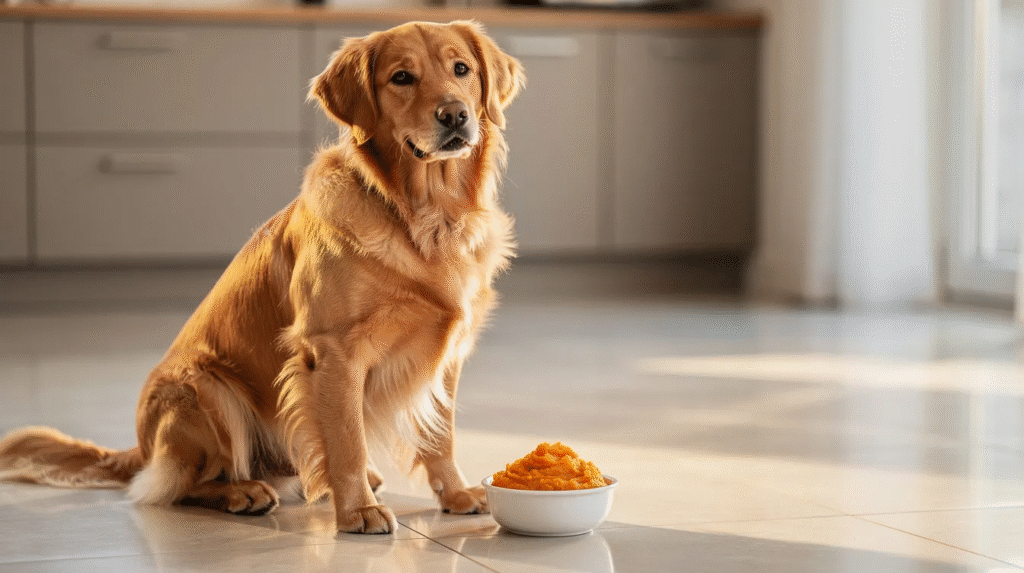

Watching your pet struggle with unexplained symptoms is exhausting. You visit the vet, get a diagnosis, start treatment—but something feels off. Maybe the symptoms persist, the diagnosis seems uncertain, or you’re facing major surgery and want confirmation before proceeding.
That feeling of wanting validation isn’t paranoia. Getting a vet second opinion has become standard practice for pet owners facing serious health decisions, and artificial intelligence is making that process faster, more accessible, and remarkably precise.
CompanAIn combines multi-agent AI technology with veterinary expertise to provide diagnostic insights that help both pet owners and veterinarians make better-informed decisions. From analyzing medical records to identifying patterns in imaging and lab work, AI serves as a powerful validation tool that complements professional veterinary care.
Why Pet Owners Seek Veterinary Second Opinions
Understanding Diagnostic Uncertainty
Veterinary medicine involves complex clinical judgment. Two experienced veterinarians can examine the same radiograph or blood panel and reach different conclusions based on their training, specialization, and clinical experience.
Pet owners question initial diagnoses for legitimate reasons. Emotional investment compounds the uncertainty when you’re deciding whether to proceed with expensive surgery, aggressive chemotherapy, or end-of-life care.

Diagnostic challenges multiply when symptoms overlap across multiple conditions. A lethargic dog with poor appetite could have kidney disease, Addison’s disease, liver dysfunction, or cancer.
The Rising Trend of Diagnostic Validation
According to the American Pet Products Association, pet healthcare spending reached $147 billion in 2023. As costs climb, owners increasingly want diagnostic confidence before committing to treatment.
The veterinary profession faces a critical shortage of specialists and radiologists. According to industry reports, fewer than 1,000 board-certified veterinary radiologists serve more than 80,000 clinics nationwide, with specialist appointment wait times stretching weeks or months.
The APPA reports that 71% of U.S. households own pets, but specialist availability hasn’t kept pace with demand. This gap drives owners toward tools that provide expert-level diagnostic review without requiring specialist appointments.
AI Tools Transforming Veterinary Diagnostics
How AI Provides Second Opinion Capabilities
Artificial intelligence analyzes veterinary imaging—radiographs, CT scans, ultrasound—by comparing findings against databases containing thousands of previously documented cases. Machine learning algorithms trained on extensive image sets can identify subtle patterns that escape human observation, particularly when fatigue or time pressure affects clinical judgment.
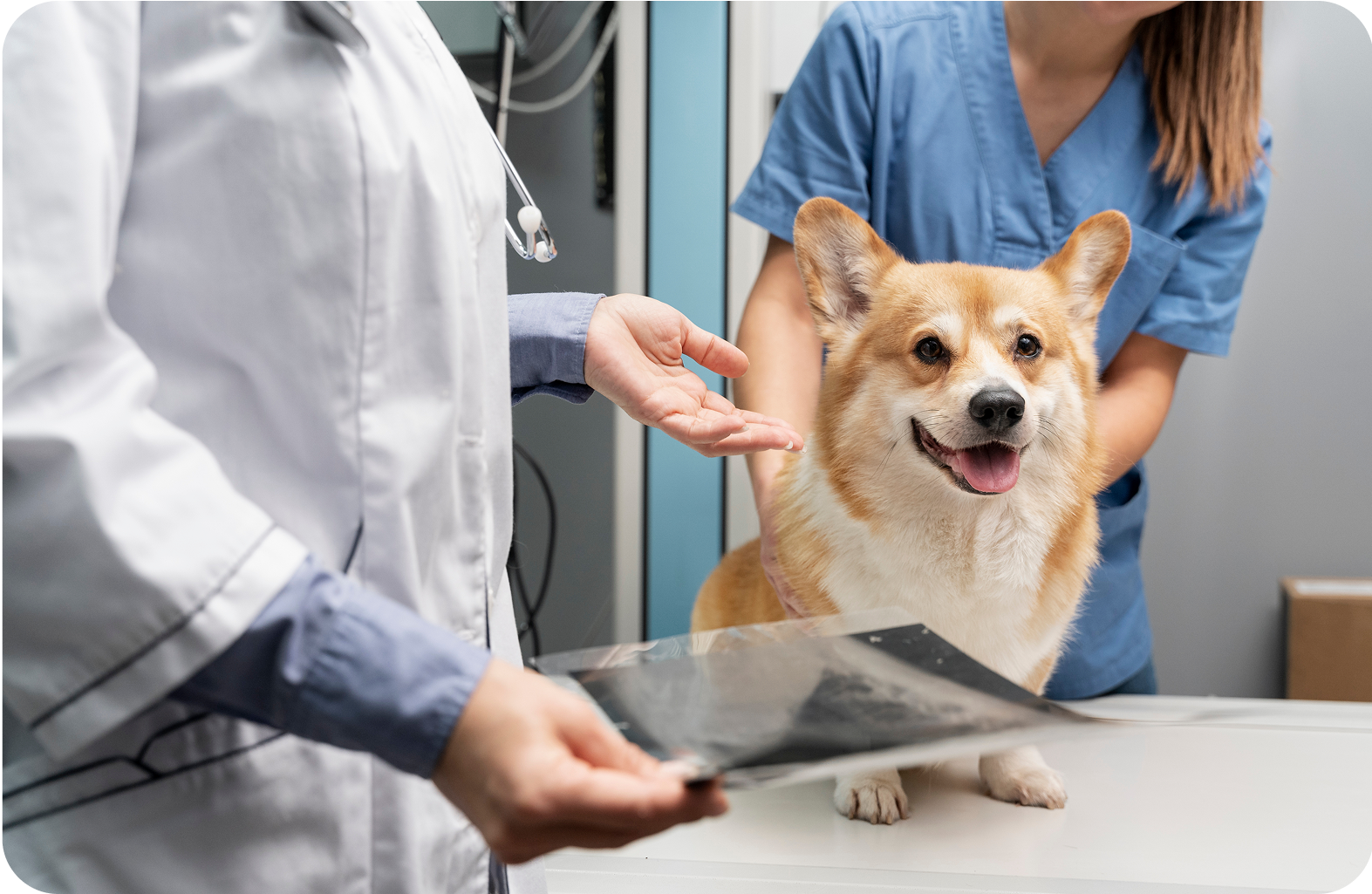
AI radiology platforms flag abnormalities in real-time during consultations. When a veterinarian captures an x-ray, the AI provides immediate feedback highlighting areas that warrant closer examination.
Pattern recognition represents AI’s core strength. Where a general practitioner might see dozens of cases annually for a specific condition, AI has processed thousands.
Specific AI Applications for Diagnostic Review
AI radiology analysis delivers immediate feedback on imaging quality and findings. Systems trained on veterinary datasets can identify fractures, tumors, cardiac abnormalities, and joint disease. For cases requiring highly detailed visualization of soft tissues, brain, or spinal structures, MRI imaging for dogs complements radiographs and CT scans, providing veterinarians with critical insights into complex conditions.”

Pathology and cytology analyzers use AI to view cells in three-dimensional detail, providing analysis within minutes versus days for traditional lab results.
Diagnostic decision support platforms ingest clinical findings—symptoms, physical examination results, lab values—and generate ranked lists of possible diagnoses, helping veterinarians consider conditions they might not have initially suspected.
Blood work analysis algorithms identify subtle pattern combinations in chemistry panels that humans often miss.
Speed and Accuracy Advantages
Traditional diagnostic workflows span hours or days. AI-assisted diagnostics compress timelines—analysis completes in minutes.
According to Cornell University veterinary researchers, AI offers potential to improve efficiency, accuracy, and consistency in interpreting imaging studies. The technology eliminates variability—the same image analyzed twice produces identical results.
Early disease detection represents AI’s most valuable contribution. Algorithms trained to identify subtle changes can flag conditions before they become clinically obvious.
CompanAIn's Role in AI-Powered Veterinary Care
CompanAIn builds on these AI capabilities with a multi-agent system designed specifically for pet health management. The platform integrates multiple specialized AI agents—data aggregators, health analyzers, recommendation engines, and pathology specialists—that work together to build complete diagnostic pictures.
The platform’s Living Memory technology continuously learns from your pet’s health history. Unlike traditional AI models that analyze each case in isolation, CompanAIn’s system retains context from previous visits, lab results, and diagnostic imaging, helping identify trends and changes that single-point analysis might miss.
Critical alerts and low-confidence cases receive validation from licensed veterinarians. This DVM review process ensures AI findings undergo professional verification, maintaining the human oversight essential for responsible diagnostic practice.
CompanAIn integrates with clinic systems, allowing veterinarians to access AI analysis within their normal workflows while providing pet owners transparent access to their animal’s health data.
Real-World Applications and Case Studies
Diagnostic Challenges AI Solves
Addison’s disease presents diagnostic challenges because symptoms mimic many common conditions. Dogs with Addison’s often show vague signs: lethargy, vomiting, poor appetite. Standard blood panels may show subtle abnormalities that don’t immediately suggest the condition.
Feline chronic kidney disease typically goes undetected until significant kidney function is lost. Research published in Today’s Veterinary Practice demonstrates that biomarkers like symmetric dimethylarginine (SDMA) can detect kidney disease approximately 17 months before traditional creatinine testing, and machine learning can identify patterns even earlier.
Cancer detection represents another critical application. AI analysis of radiographs, ultrasounds, and CT scans can identify masses, characterize tumor margins, and assess lymph node involvement.
Blood test pattern analysis catches overlooked diagnoses. When chemistry panels show multiple borderline abnormalities that don’t individually trigger concern, AI can recognize the combined pattern as significant.
Multi-Specialty Diagnostic Support
AI platforms support analysis across virtually every diagnostic specialty. Hematology algorithms evaluate complete blood counts, identifying anemia patterns, clotting disorders, and blood parasites. Urinalysis systems characterize crystals, detect infections, and quantify protein levels that indicate kidney disease.
Cardiac measurements challenge even experienced veterinarians. AI performs vertebral heart score assessments consistently, flagging cardiac enlargement that warrants echocardiography.
Complex cases requiring multiple diagnostic data types benefit from AI integration. AI can synthesize findings across chest radiographs, blood gas analysis, complete blood counts, and chemistry panels simultaneously.
Benefits of AI Second Opinions for Pet Owners
Confidence in Treatment Decisions
When AI analysis confirms your veterinarian’s diagnosis, you can proceed with treatment confident you’re addressing the right problem. Data-backed diagnostic reports help you understand your pet’s condition, providing documentation you can reference when making decisions.
AI-generated reports often include visual highlighting of abnormalities, explanations of findings, and comparisons to normal references.
The combination of veterinary expertise and AI analysis catches errors either might make independently.
Cost-Effectiveness
When AI helps reach accurate diagnosis quickly, you avoid paying for multiple rounds of testing, unsuccessful treatments, and extended illness.
AI-assisted diagnostics provide specialist-level analysis through your regular veterinarian, eliminating travel and reducing costs while maintaining diagnostic quality.
AI-generated diagnostic reports provide detailed findings that support insurance claims for necessary treatments.
Enhanced Pet Health Outcomes
Earlier intervention based on rapid diagnosis improves prognosis for virtually every condition. The faster you identify cancer, kidney disease, or cardiac problems, the more treatment options remain available.
AI doesn’t just identify problems—it helps predict which treatments will prove most effective based on patterns from similar cases.
Preventative care through early disease detection stops conditions before they cause suffering. Catching kidney disease before symptoms appear or detecting tumors while they’re small transforms serious diagnoses into manageable conditions.
Addressing Concerns About AI in Veterinary Medicine
The Human-AI Partnership Model
AI supports rather than replaces professional expertise. Veterinarians maintain clinical oversight and final decision-making authority, considering AI findings within the full context of the patient’s history, physical examination, and individual circumstances.
This veterinarian-in-the-loop model ensures that diagnostic technology remains grounded in clinical judgment, empathy, and ethical responsibility—keeping the human relationship at the center of every care decision.
Think of AI as a diagnostic safety net. Even excellent veterinarians face time pressure or lack experience with rare conditions. AI flags possibilities that might otherwise go unconsidered.
The American College of Veterinary Radiology and European College of Veterinary Diagnostic Imaging recognize the transformative potential of AI while emphasizing the critical importance of maintaining a veterinarian in the loop to interpret AI outputs and safeguard diagnostic quality.
Accuracy and Reliability Considerations
Reputable platforms undergo rigorous validation testing and maintain quality control systems that ensure consistent performance.
Leading platforms implement encryption, secure data storage, and access controls. CompanAIn adheres to industry-leading data protection standards, ensuring your pet’s information remains private and secure.
Systems trained on diverse, high-quality datasets from multiple institutions perform better than those trained on limited data. Better platforms explain their reasoning, highlight which findings drove conclusions, and indicate confidence levels for their assessments.
Building Trust in AI Diagnostics
As platforms process more real-world cases, their algorithms refine and accuracy improves. CompanAIn’s Living Memory technology exemplifies this approach—the system learns from each interaction, continuously enhancing its diagnostic capabilities.
Hybrid systems combining AI efficiency with specialist expertise deliver optimal results. Some platforms route complex or ambiguous cases to board-certified specialists for final review.
Platforms developed in collaboration with veterinary institutions and clinics tend to align better with clinical workflows and professional standards.
The Future of Veterinary Diagnostics with AI
Emerging technologies promise dramatic advances. Robotic surgery assistance guided by AI imaging provides precision beyond human capability. Genomic analysis platforms can predict disease susceptibility and optimize treatment protocols based on individual genetic profiles.
Accessibility improvements will democratize specialist-level care. Rural practices and underserved communities will access diagnostic capabilities previously available only at university hospitals and specialty centers.
Personalized oncology treatments represent an exciting frontier. AI analyzing tumor characteristics, genetic markers, and treatment response patterns can recommend individualized chemotherapy protocols.
Predictive health analytics for preventative care may transform veterinary medicine from reactive to proactive, identifying risk factors and recommending interventions that prevent illness entirely.
Ready to Gain Diagnostic Confidence?
No matter the situation, a vet second opinion pet owners rely on should feel accessible, trustworthy, and grounded in real expertise. Whether you’re facing an unclear diagnosis, preparing for major treatment decisions, or simply wanting validation before moving forward, the right diagnostic support keeps your concerns addressed and your pet’s health on track.
CompanAIn matches multi-agent AI technology with veterinary validation, DVM oversight, and transparent communication. When you’re ready to gain confidence in your pet’s care, we’re ready to provide the diagnostic insights that matter. Contact CompanAIn to explore how AI-powered second opinions can support your pet’s health journey.
Frequently Asked Questions
Is an AI second opinion from CompanAIn a replacement for visiting my veterinarian?
No. AI second opinions complement professional veterinary care rather than replace it. Always consult your veterinarian for diagnosis and treatment decisions. AI tools validate findings and identify patterns your vet may want to investigate further, but they can’t perform physical examinations or make treatment decisions.
How accurate are AI diagnostic tools?
Modern AI diagnostic systems demonstrate strong performance in many applications when properly validated and implemented. However, accuracy depends on data quality, proper implementation, and appropriate use cases. The ACVR and ECVDI position statement emphasizes the importance of transparency, rigorous validation, and continued veterinary professional involvement.
What types of conditions can AI help diagnose?
AI excels at analyzing medical imaging including radiographs, CT scans, and ultrasound. It’s effective for blood work interpretation, pathology sample analysis, and identifying disease patterns across multiple data types. Strong applications include cancer detection, chronic disease screening, rare condition identification, and cardiac measurements.
How long does an AI second opinion take?
AI diagnostic analysis typically completes within minutes compared to hours or days for traditional specialist consultations. CompanAIn’s system provides rapid analysis while maintaining accuracy through its multi-agent approach and DVM validation process.
Will using AI diagnostics cost more money?
Usually the opposite. AI diagnostics typically cost less than specialist consultations while reducing unnecessary follow-up testing. The speed and accuracy of AI analysis often prevent expensive misdiagnosis, failed treatments, and extended illness.
Can I access AI diagnostic tools directly as a pet owner?
Most AI diagnostic platforms, including CompanAIn, work primarily through veterinary practices rather than direct-to-consumer access. This integration ensures AI analysis occurs within appropriate clinical context with professional oversight. Discuss AI diagnostic capabilities with your veterinarian to explore available options.
What data security measures protect my pet's medical information?
Reputable AI platforms implement encryption, secure data storage, and strict access controls. CompanAIn uses end-to-end encryption and adheres to industry-leading data protection standards. Your pet’s records remain private, secure, and under your control.
How do I know if an AI second opinion contradicts my vet's diagnosis?
AI serves as a diagnostic aid, not a definitive answer. If results conflict with your veterinarian’s diagnosis, discuss both interpretations together. Your vet may recommend additional testing, specialist consultation, or explain why clinical findings outweigh AI analysis.