
Understanding cat blood test results becomes crucial when your veterinarian hands you a report filled with abbreviations, ranges, and numbers. Whether you’re reviewing annual wellness bloodwork, pre-surgical screening, or diagnostic tests, understanding what those values reveal shouldn’t require a veterinary degree.
CompanAIn’s AI-powered health platform transforms complex laboratory data into clear, personalized insights. Our specialized AI agents parse lab results, identify patterns, and contextualize findings within your cat’s complete health history, helping you move from reactive worry to proactive care.
The information provided in this article is for informational purposes only and does not constitute medical advice. Always consult your veterinarian for personalized recommendations regarding your cat’s health.
Why Blood Tests Matter for Your Cat's Health
Your cat can’t tell you when something feels wrong internally. By the time symptoms appear, diseases like kidney dysfunction or hyperthyroidism may have progressed significantly.
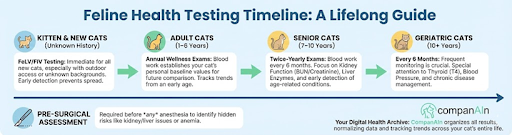
Blood tests reveal what physical exams can’t. For healthy adult cats, annual blood work establishes baseline values. Senior cats (7-10 years and older) need testing twice yearly because age-related conditions develop quickly. Routine wellness checkups that include blood tests are extremely beneficial for early detection of illness and maintaining your cat’s overall health.
Early detection changes outcomes. Blood tests play a crucial role in achieving an accurate diagnosis, which is essential for effective treatment. Cats diagnosed with chronic kidney disease in early stages can live years longer with proper management.
But stress from veterinary visits can temporarily affect results. Travel anxiety and unfamiliar environments trigger physiological responses that show up in bloodwork. A single elevated value doesn’t necessarily indicate disease—it might reflect stress or individual variation.
CompanAIn’s multi-agent AI system accounts for these variables, comparing current results against historical data to identify truly concerning changes versus expected fluctuations.
Understanding the Complete Blood Count (CBC)
The CBC (Complete Blood Count) analyzes your cat’s blood cells, including red blood cells, white blood cells, and platelets.
Red blood cells carry oxygen. The hematocrit (HCT) measures the percentage of blood volume occupied by red cells, with normal feline ranges between 25-45% depending on the laboratory. Low counts indicate anemia from blood loss, chronic disease, bone marrow problems, or internal bleeding. High counts suggest dehydration.
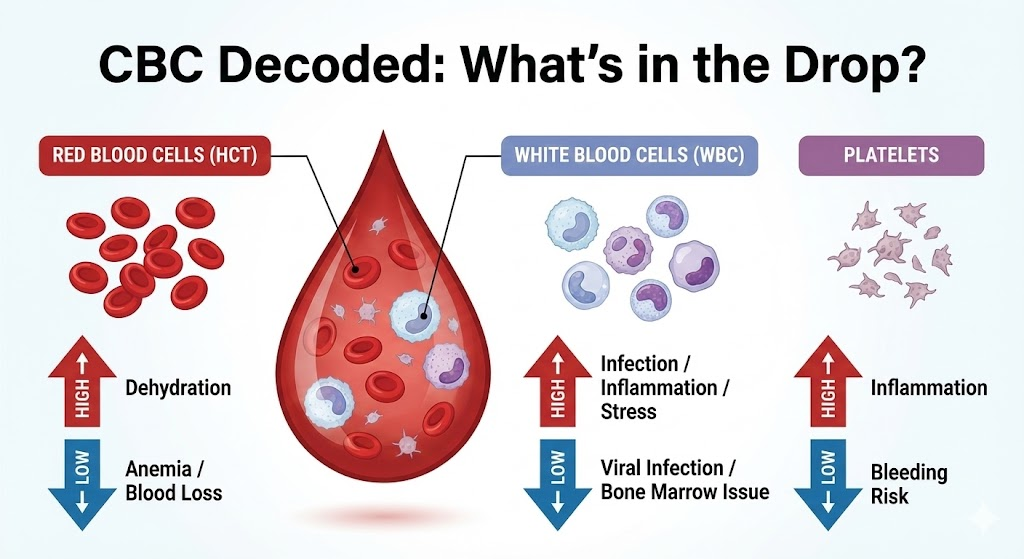
White blood cells form your cat’s immune defense. Elevated counts signal infection, inflammation, or stress. Decreased counts may indicate viral infections or bone marrow problems. The differential count breaks down white cells into specific types—neutrophils, lymphocytes, eosinophils, monocytes, and basophils.
Platelets enable blood clotting. Platelet counts are measured to assess blood health. Low counts increase bleeding risk, while high counts can indicate inflammatory conditions.
Microscopic examination reveals details automated counters miss. Red blood cell shape variations can indicate liver disease. Parasites like Mycoplasma haemofelis only show up under the microscope.
Decoding Blood Chemistry Panels
Blood chemistry panels, also known as blood chemistries, provide a comprehensive overview of organ function, electrolyte balance, and metabolic processes. These panels not only assess the liver and kidneys but also evaluate the function of other organs to help detect abnormalities and monitor overall health.
Kidney Function (BUN & Creatinine)
Blood Urea Nitrogen (BUN) and creatinine indicate kidney filtration efficiency. Elevated levels suggest the kidneys aren’t removing waste effectively. But dehydration elevates BUN more than creatinine. Muscle loss in senior cats can cause artificially low creatinine.
CompanAIn’s Living Memory technology tracks trends automatically, alerting you when gradual changes suggest emerging kidney issues.
Liver Function (ALT, ALKP, Bilirubin)
Alanine aminotransferase (ALT) and alkaline phosphatase (ALKP) are enzymes released when liver cells are damaged. Elevated levels can indicate liver disease, but slight elevations are sometimes normal in older cats. Bilirubin is routinely measured as part of bilirubin routine blood panels to assess liver health. Bilirubin accumulates when the liver can’t process it, causing yellowing visible in sick cats’ gums and eyes. These tests are important for monitoring liver health and detecting potential liver dysfunction.
Blood Sugar (Glucose)
Glucose measurement detects diabetes, but stress frequently elevates feline blood glucose temporarily. Diabetic cats typically show glucose above 250-300 mg/dL along with glucose in urine. Stress-related elevation rarely exceeds 200-250 mg/dL and doesn’t appear in urine.
When diabetes is suspected, fructosamine testing reflects average glucose levels over 2-3 weeks without stress effects.
Proteins (Albumin, Globulin)
Albumin maintains hydration and transports substances throughout the bloodstream. Low albumin can indicate liver disease, kidney disease, intestinal disease, or hemorrhage. Globulins reflect immune system activity. Elevated globulins often accompany chronic infections or immune-mediated diseases. Blood protein levels, including total protein, albumin, and globulin, are important indicators of immune function and overall health.
Electrolytes (Potassium, Sodium, Chloride)
These minerals maintain cellular function, nerve signaling, and fluid balance. Abnormal levels can indicate kidney disease, endocrine disorders, or gastrointestinal problems. Potassium imbalances concern veterinarians because both high and low levels can cause life-threatening heart rhythm abnormalities. Abnormal electrolyte levels can also cause symptoms such as muscle weakness.
Special Tests Every Cat Owner Should Know
Thyroid Function (T4)
Hyperthyroidism affects many senior cats. Weight loss despite increased appetite, hyperactivity, and vomiting are common symptoms. Some cats with hyperthyroidism may crave more human food or even eat non-food items, showing increased interest in more human food as part of their clinical signs. The T4 test measures thyroid hormone levels. Elevated T4 confirms hyperthyroidism, which requires treatment to prevent heart disease and high blood pressure.
Some cats with early hyperthyroidism show T4 levels in the high-normal range. Your veterinarian may recommend follow-up testing or free T4 to clarify borderline cases.
Viral Testing (FeLV/FIV)
Feline Leukemia Virus (FeLV) and Feline Immunodeficiency Virus (FIV) are life-threatening infections that suppress immune function. Testing is essential for cats with unknown backgrounds, outdoor access, or potential exposure. Early detection enables monitoring and prevents spread to other cats.
Specialized Markers
Feline pancreatic lipase immunoreactivity (fPLi) detects pancreatitis. NT-proBNP measures heart disease severity. Blood tests for cats are also essential for diagnosing diabetes mellitus and monitoring for low blood sugar levels, which are important in the management of this condition. Your veterinarian determines which specialized tests your cat needs based on clinical findings.
Feline blood tests are critical tools veterinarians use to diagnose and treat medical conditions, helping to identify underlying issues and guide appropriate care.
CompanAIn’s Data Aggregator organizes all test results regardless of source, normalizing values and tracking trends even when laboratories change.
When and Why Your Vet Recommends Blood Work
Annual Wellness Exams
Cat blood tests are a routine part of veterinary care for cats of all ages. Healthy cats benefit from yearly blood work starting at age 7-8. These baseline values become personal reference points. Blood tests for cats help establish baselines and detect early changes in health. When future tests show changes, your veterinarian compares against historical values rather than just population-based ranges. Blood tests can also screen for congenital abnormalities during a cat’s first exam, helping to identify hidden birth defects or conditions early.
Pre-Surgical Assessment
Any procedure requiring anesthesia warrants pre-surgical blood work. Testing identifies hidden kidney disease, liver problems, or anemia that increase anesthetic risk. Blood work also helps determine the surgical risk level before anesthesia, ensuring your cat’s safety during surgery.
Acute Illness Investigation
When your cat becomes lethargic, stops eating, or vomits repeatedly, blood work identifies causes that aren’t obvious from physical examination. Common blood tests can help identify the underlying cause of symptoms. Kidney failure, liver disease, pancreatitis, infections, and metabolic disorders produce similar symptoms.
Senior Care Monitoring
Senior cats need blood work every six months because age-related diseases progress quickly. Geriatric cats especially benefit from regular blood work to monitor for age-related diseases and maintain health. Hyperthyroidism, chronic kidney disease, and diabetes can develop between annual exams.
Chronic Condition Management
Cats with diagnosed conditions require regular monitoring to assess treatment effectiveness and adjust medications or dietary management.
helps you understand what testing reveals, empowering informed decisions about when testing provides value.
Interpreting Abnormal Results: What Numbers Really Mean
Reference ranges represent values found in 95% of healthy cats. This means 5% of perfectly healthy cats will have values outside “normal” ranges due to individual variation. Laboratory ranges vary between facilities because different equipment and methodologies affect results.
Understanding blood tests is crucial for making informed decisions about your cat’s health, as bloodwork serves as a key diagnostic tool and can reveal underlying issues that may not be obvious from symptoms alone.
A single value outside normal range doesn’t automatically indicate disease. Your veterinarian considers how far outside normal the value falls, whether multiple related values are abnormal, your cat’s symptoms, and previous results.
Trending becomes invaluable. A kidney value stable in high-normal range for years reflects individual baseline. That same value showing a steady upward trend over several tests may signal emerging kidney disease.
False positives occur—hemolysis during blood collection can artificially elevate values. Stress-induced changes resolve once your cat returns home.
CompanAIn’s Pathologist Agent compares current results against complete history while accounting for variables like age, stress indicators, and laboratory-specific ranges. Our system identifies subtle changes that reveal important trends when viewed longitudinally.
How AI-Driven Interpretation Can Help
Traditional laboratory reports present values and flag abnormalities but don’t explain what findings mean for your specific cat.
CompanAIn bridges this gap by applying AI analysis to complete health data. Our multi-agent system approaches interpretation like a veterinary team—specialized agents handle different tasks, then collaborate to generate comprehensive insights. For readers who want an in-depth breakdown of each common blood test and what your cat’s numbers really mean, our guide on cat blood work results provides detailed explanations and expert insights—perfectly complementing the AI-driven interpretation offered by CompanAIn. Common blood panels include key components such as white blood cell count, which helps evaluate your cat’s immune system and detect infections or inflammatory conditions.
The Data Aggregator parses lab reports regardless of format, extracting values and organizing them chronologically. The Health Analyzer compares current results against established baselines, identifying deviations that warrant attention.
Pattern recognition finds correlations that might not be obvious. Multiple subtle changes across different organ systems sometimes point to specific conditions. Our AI analyzes relationships between values rather than treating each measurement in isolation.
The Recommendation Engine translates findings into actionable guidance. When trends suggest emerging issues, you receive alerts prompting veterinary follow-up. When results remain stable, you get peace of mind.
Our Living Memory technology means each analysis becomes more personalized over time. The system learns what’s normal for your cat specifically.
Critical findings always receive DVM validation. Licensed veterinarians review concerning patterns before alerts reach you, ensuring accuracy and appropriate urgency.
Taking Action After Blood Work Results
Schedule a Veterinary Discussion
Even if results are normal, discuss findings with your veterinarian. Ask which values they monitored specifically for your cat’s age and health status. Remember, blood work is just one part of assessing your cat’s bodily fluids for underlying health issues.
Request Explanations in Plain Language
Don’t hesitate to ask for explanations without jargon. Understanding your cat’s condition enables better compliance with treatment plans.
Establish a Follow-Up Plan
Abnormal results require follow-up—sometimes repeat testing, sometimes additional diagnostics, sometimes treatment initiation. Your veterinarian may recommend analyzing other bodily fluids, such as urine, in addition to blood, to gain a complete picture of your cat’s health. Clarify the timeline and purpose.
Track Results Over Time
Keep copies of all blood work results. CompanAIn automatically organizes this tracking, creating visual trends showing how values change over months and years.
Understand Treatment Goals
Clarify whether you’re treating to cure, managing chronic disease, or monitoring for progression. Early detection enables preventative strategies that maintain quality of life.
Why are my cat's blood test results "normal" when my cat seems sick?
Normal ranges are population-based. Results must be interpreted with your cat’s individual baseline, symptoms, hydration status, and stress level. Your veterinarian compares current results to previous tests and clinical signs.
Do I need blood work if my cat seems perfectly healthy?
Yes. Annual wellness exams with blood work establish baseline values invaluable for detecting subtle changes. Early detection can catch diseases before symptoms appear.
Why do blood test results vary between laboratories?
Different laboratories use different equipment, methodologies, and anticoagulants, resulting in different reference ranges. Always compare your cat’s results to the specific laboratory’s normal range.
How often should my senior cat have blood work done?
Senior cats (7-10+ years) should have blood work twice yearly. Frequent monitoring enables early intervention and better quality of life management.
What does it mean if my cat's glucose is elevated?
Elevated glucose can indicate diabetes, but in cats, mild elevation often results from stress during the veterinary visit. Your veterinarian will consider overall presentation and may recommend repeat testing.
How can AI help me understand my cat's blood work?
AI-driven systems like CompanAIn integrate your cat’s historical data, current results, age, and individual health profile to provide personalized insights. These systems identify patterns and trends that might not be obvious from isolated values.
Should I be concerned if one value is slightly outside the normal range?
Not necessarily. A single slightly abnormal value, especially if your cat appears healthy, may be insignificant. However, multiple abnormal values or abnormal trends over time warrant further investigation.
What should I do after receiving my cat's blood test results?
Schedule a discussion with your veterinarian to understand results in context. Ask which values concern them, what they mean, and what next steps are recommended.