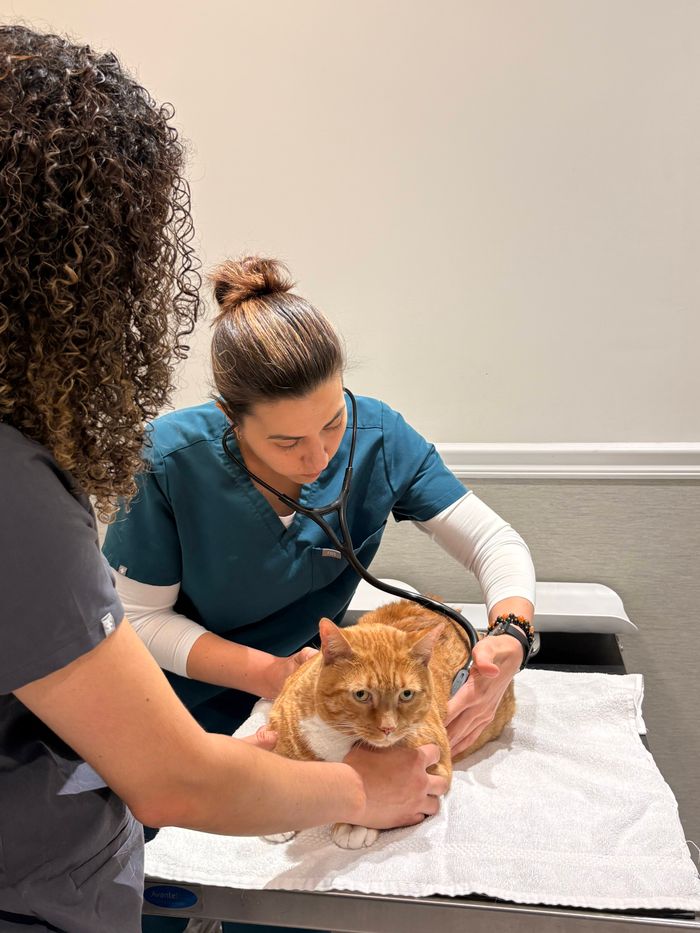

Cats are masters at hiding discomfort as an evolutionary survival trait. Their wild ancestors that showed weakness became an easy target for predators, and domestic cats still carry that instinct today. Both acute pain from a fall or fight and chronic pain from conditions like arthritis can look almost invisible, because cats hide pain rather than cry out. Recognising early, subtle signs of a cat in pain helps cats live longer, more comfortable lives. CompanAIn’s health timeline lets you track changes in your cat’s condition over time – behaviour, weight, appetite, and vet notes – so quiet shifts don’t go unnoticed.
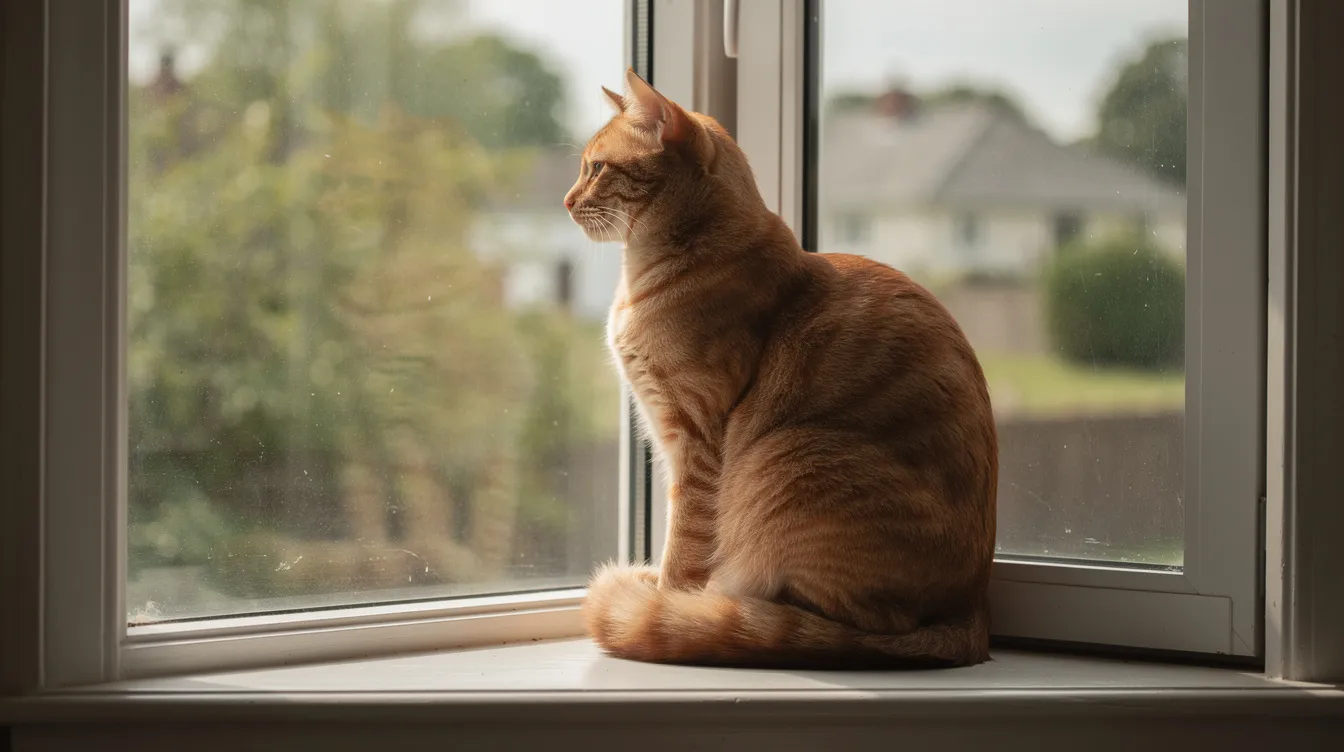
1. Common Signs Your Cat Is in Pain
Before diving into each sign in detail, here is a quick scannable list of the most common signs a cat is in pain:
- Hiding more than usual or avoiding interaction
- Uncharacteristic aggression or flinching when touched
- Decreased grooming or a matted coat
- Reluctance to jump, climb stairs, or move freely
- Eating less, dropping food, or walking away from the bowl
- Hunched posture or sitting very still
- Changes in litter box habits
- Altered facial expression (squinty eyes, flattened ears)
- Excessive meowing, yowling, or sudden silence
- Rapid breathing or panting at rest
A cat suddenly acting different for more than 24 hours should be treated as a warning sign. Acute pain – after surgery, a fall, or a bite wound – tends to appear fast and dramatically. Chronic pain from arthritis or dental disease creeps in over months, making it harder to notice. Research shows that over 60% of cats aged six or older have osteoarthritis, yet most cats never limp.
If you think “my cat is in pain,” contact a vet rather than wait it out. You can log and time-stamp new symptoms in CompanAIn to give your vet a clear picture.
2. Behaviour Changes: When Your Cat Suddenly Isn't Themselves
Behaviour shifts are often the earliest and most important pain signs. Behavioral changes can indicate pain in cats long before any physical symptom appears.
Watch for:
- A cat suddenly hiding more, retreating under beds or into closets, and avoiding family members
- Losing interest in play, toys, or routines they previously enjoyed
- Skipping favourite sleeping spots or refusing to sit on laps
- Sudden aggression, irritability, or hissing – especially in a previously gentle cat
- Sensitivity to touch or flinching when a specific area is handled, which can indicate that a cat is in pain
Cats in pain may avoid social interaction and play entirely, appearing “depressed” or withdrawn. This is typical of chronic pain conditions. Note specific dates and situations – for example, “started avoiding interaction in early July 2026” – and record them in a health diary or an app like CompanAIn.
3. Changes in Eating, Drinking, and Litter Box Habits
Changes around food, water, and toileting are high-priority clues. A sudden lack of interest in food can indicate pain, particularly dental pain. Studies show that 50–90% of cats over age four have some form of dental disease, and in one clinical sample, 59% of cats showed pain during a routine dental examination.
Signs to watch:
- A cat that may stop eating, drops food, chews on one side, or walks away mid-meal
- Changes in drinking habits – increased thirst or suddenly avoiding the water bowl
- Litter box avoidance: straining, crying, frequent small clumps, blood in urine, or a cat suddenly peeing or pooping outside the litter tray
Cats may avoid their litter box due to pain or discomfort from conditions like urinary tract infections, constipation, or bladder stones. These need urgent veterinary advice. Using CompanAIn to log appetite, water intake, and litter box notes makes trends easy to spot and share with the vet.
4. Grooming, Coat Quality, and Decreased Grooming
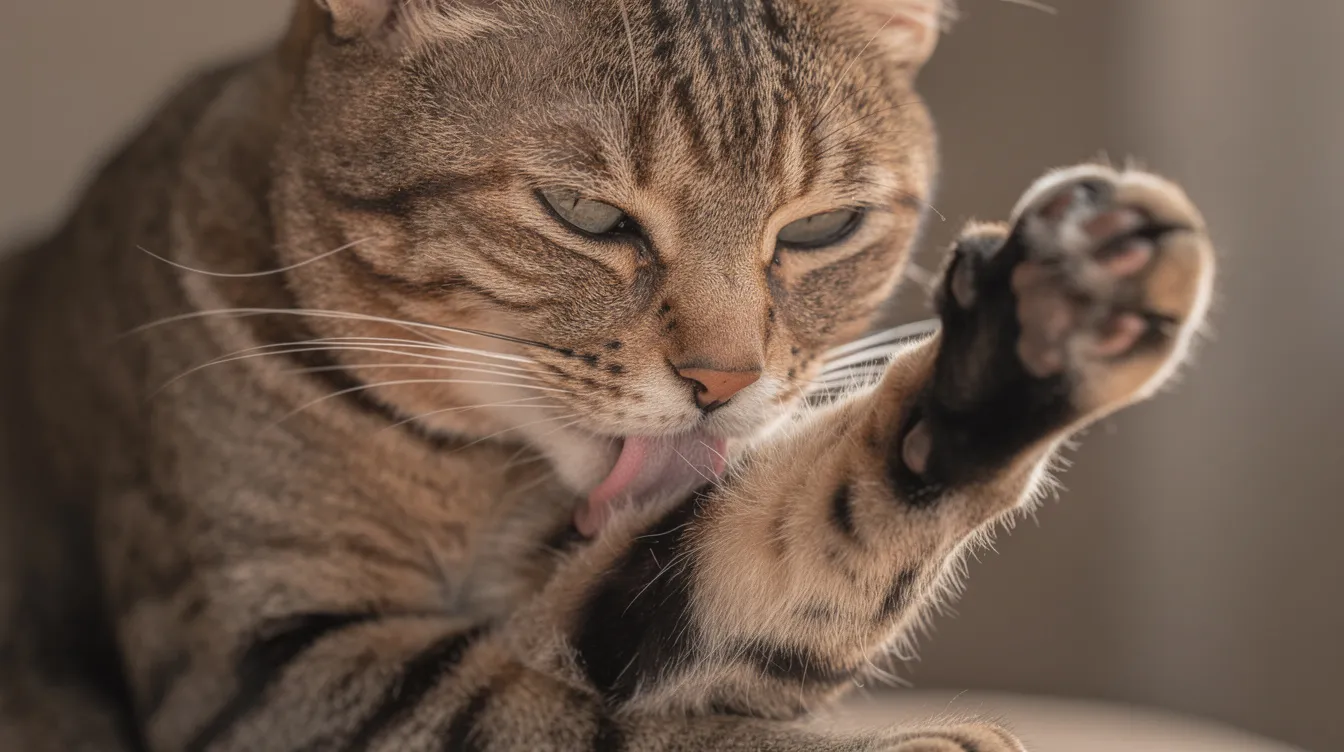
Grooming is central to feline comfort, so any change may signal pain. Cats may show changes in grooming habits when in pain – and this goes both ways.
- Decreased grooming results in a dull, greasy coat, dandruff, or a matted coat, especially on the back or around the tail where arthritic cats can’t reach. This poor grooming or under grooming is one of the most overlooked subtle signs.
- Excessive grooming of one spot – belly, a joint, tail base – suggests local pain, irritated skin, or discomfort beneath the surface.
- Senior cats with chronic pain from arthritis often show both unkempt fur and reluctance to be brushed.
Physical signs of discomfort in cats may include inappropriate grooming behavior in either direction. Check for bald patches, red skin, or scabs and photograph changes over time for your vet or your CompanAIn timeline.
5. Posture, Mobility, and Movement Problems
Stiffness, limping, and posture changes are key physical clues, particularly with joint pain or spinal issues. Pain can cause changes in movement like limping or difficulty climbing stairs, and mobility issues such as reluctance to jump can indicate pain in cats.
Look for:
- Reluctance to jump onto usual furniture, hesitating at stairs, or slower climbing
- A “bunny hop” gait or shorter jumps than before
- A hunched posture, tucked belly, or a cat sitting “loafed” and very still – posture changes like these can indicate abdominal pain or overall discomfort
- Posture such as a humped back can signal pain in cats, even without obvious limping
Chronic pain like osteoarthritis often shows as small changes: fewer zoomies, avoiding high perches, or a cat no longer jumping onto a one-metre-high windowsill they used daily. Many cats with radiographic joint disease show no lameness at all – owners only notice the cat stopped climbing.
6. Facial Expressions, Eyes, and Vocalisation
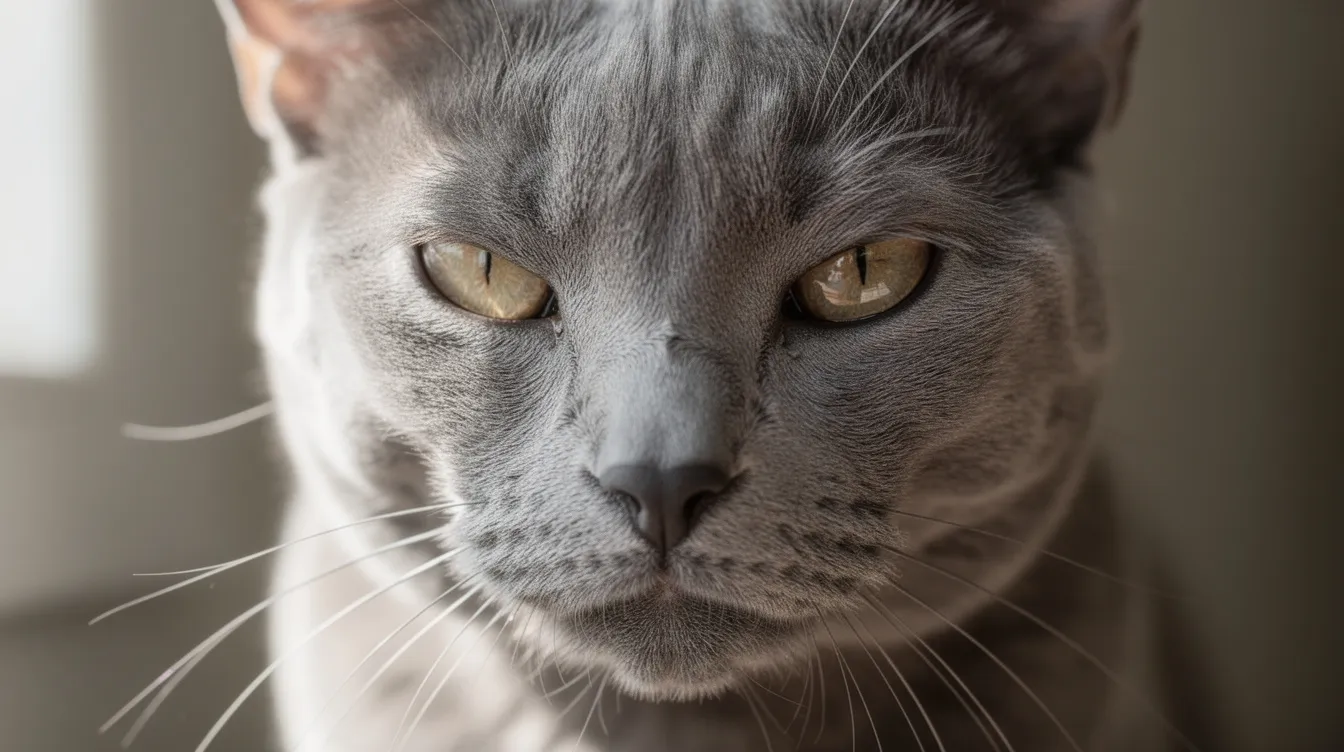
While most cats have a “poker face,” subtle facial changes still reveal feline pain. A cat’s facial expression can indicate pain severity.
- Squinted eyes or squinty eyes, glazed or dull gaze, dilated pupils in a calm room
- Flattened ears rotated outward, whiskers pulled tight against the cheeks, tense mouth
- A lowered head tilted toward the chest
The Feline Grimace Scale scores five action units – ears, eyes, whiskers, muzzle, and head position – and is used by vets to assess acute pain in cats with high reliability.
Vocal changes can signify a cat is in pain. Watch for excessive meowing, sudden howling or yowling at night, or crying when picked up. Increased vocalization may signal acute pain. Conversely, a normally chatty cat becoming unusually quiet is also a red flag. And purring does not always mean contentment – some cats purr when anxious or experiencing pain.
Record short videos of these changes to show the vet or upload to CompanAIn’s secure vet-share portal.
7. Breathing, Heart Rate, and Other Physical Red Flags
Some whole-body symptoms can indicate severe pain or a medical emergency:
- Rapid breathing at rest, open-mouth breathing or panting in a cool room
- Trembling or a very fast heart rate when the cat is otherwise calm
- Changes in gum colour – pale, grey, or blue
- Sudden collapse or extreme lethargy requiring immediate attention
Internal causes of pain such as pancreatitis, urinary blockage, or severe injury may show mainly as these systemic signs rather than obvious limping. Do not wait until morning – immediate veterinary care can be life-saving.
8. Common Causes of Pain in Cats
Pain can come from many body systems, and only a vet with a thorough examination can diagnose the underlying cause. Here are common causes:
- Arthritis commonly affects cats, causing painful joints – radiographic prevalence reaches 82% in cats over 14
- Dental problems can lead to severe pain in cats – tooth resorption affects up to 75% of some populations
- Urinary tract infections are a common source of pain in cats
- Cancer can cause significant pain in cats, especially in older animals
- Injuries from accidents can result in acute pain for cats
- Constipation, gastrointestinal discomfort, and post-surgical pain
Older cats are especially prone to chronic pain from osteoarthritis, often starting around seven to eight years of age. Because cats hide chronic pain particularly well and are hiding signs from other pets and people alike, annual vet checks plus day-to-day tracking are essential. CompanAIn can store lab results, X-ray reports, and vet notes so patterns in a cat’s condition are easy to review.
9. When to See a Vet – And What to Expect
Simple time-based rules help cat owners decide:
Situation | Action |
|---|---|
Obvious trauma, breathing difficulty, collapse | Same-day emergency vet visit |
Subtle changes lasting 24–48+ hours | Schedule a vet appointment |
Chronic subtle changes in older cats | Raise at next wellness exam or sooner |
A vet visit typically involves history-taking, physical exam, pain scoring, and possibly blood tests, X-rays, or dental checks under anaesthesia. For pain relief, vets have safe, cat-specific options drawn from veterinary medicine: robenacoxib is an NSAID for pain relief in cats, buprenorphine treats mild to moderate pain, gabapentin is used for chronic pain in cats, and frunevetmab is FDA-approved for arthritis pain in cats. Over-the-counter pain relievers are toxic to cats – never give human painkillers like ibuprofen, aspirin, or paracetamol.
Bringing a log or CompanAIn summary of recent changes helps the vet quickly understand the cat’s pain pattern.
10. Supporting a Cat With Acute vs. Chronic Pain at Home
For acute pain (after an accident, surgery, or sudden illness): follow post-op instructions exactly, restrict activity, create a quiet recovery room, and give prescribed medications as directed. Contact your vet on the same day if pain contact worsens.
For chronic pain (long-term arthritis, dental disease): make practical home changes – add ramps or steps to beds, provide a lower litter tray, place soft bedding in warm spots, and keep food and water on one level. Monitor the cat’s pain over weeks and watch for improved mobility, grooming, and sociability as signs that treatment is working. CompanAIn can help track pain scores, medication schedules, and response to treatment over time, for personal use and vet sharing alike.
11. Can Cats Live With Chronic Pain? Quality of Life and Long-Term Care
While cats can physically live with chronic pain, they should not have to. Untreated pain caused by hiding discomfort affects sleep, mood, behaviour, and organ function. Think in terms of quality of life: mobility, appetite, grooming, interest in family, and comfort when handled. Many cats with chronic pain from arthritis or dental issues show dramatic improvement once pain is properly managed – the difference can be striking, as noted in resources from organisations like LifeLearn Animal Health.
Regular check-ins every three to six months with a veterinarian help reassess pain control. CompanAIn’s trend detection features let you see how pain-related behaviours change across months or seasons, so you can tell if your cat is improving or needs an adjustment.
12. How CompanAIn Helps You Spot and Manage Your Cat's Pain
CompanAIn is a pet wellness platform built to help owners and vets work together on issues like pain and chronic disease. Key tools relevant to managing a cat’s pain include:
- A dynamic health timeline for logging when a cat suddenly starts hiding, limping, or shows decreased grooming
- Lab result interpretation and trend detection for appetite, weight, and activity notes
- Clinician-grade AI summaries to share with your vet
- A secure vet portal so veterinary teams can view the cat’s history, making it easier to differentiate between acute pain flares and long-term chronic pain
Dogs and cats alike benefit from proactive tracking, but because most cats are so skilled at mask pain behaviour, consistent logging is especially valuable for feline companions.
If something feels off, trust that instinct. Contact your vet about any signs of a cat in pain – and start tracking your cat’s condition today so subtle changes are never missed again.