
If your dog won’t stop scratching after a swim, you’re not alone. Trapped water, bacteria, and allergies can all turn a fun day at the lake into an uncomfortable night. Here’s what’s really going on and what you can do about it.
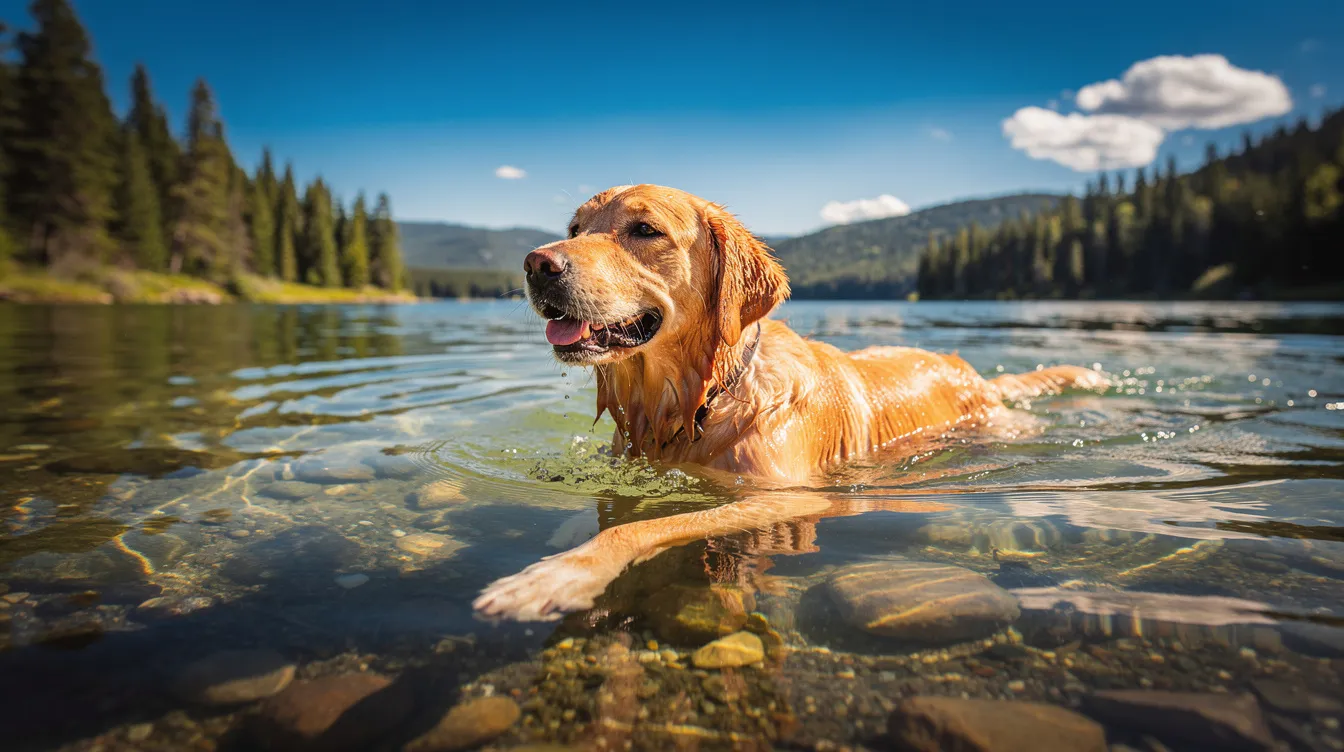
At a Glance: Why Your Dog Scratches Ears After Swimming
Scratching after swimming is common in dogs due to trapped moisture sitting inside the ear canal. That excess moisture softens wax buildup, disrupts the skin’s natural defenses, and can quickly create conditions for bacteria or yeast to multiply.
Here’s what to watch for and do right away:
Early signs:
- Head shaking or tilting within hours of swimming
- Pawing or scratching at one or both ears
- Redness at the ear opening or inside the dog’s ear flap
- Mild “yeasty” or musty odor
- Small amount of thin, yellowish discharge
Immediate steps (same day):
- Dogs should be towel-dried immediately after swimming. Gently dry the outer ear flap with a soft towel, then blot the visible canal with cotton balls or gauze.
- Never use q tips inside the ear canal. Using cotton swabs can push moisture and debris deeper into a dog’s ear.
- Monitor your dog for 24–48 hours. Monitoring for signs of irritation after water exposure is important for dogs.
Call your vet urgently if your dog is crying when the ear is touched, can’t stop shaking, or you see thick, dark, or bloody discharge, swelling, or heat around the ears.
CompanAIn’s health timeline lets you log water exposure dates, symptoms, and treatments so you and your vet can spot recurring ear problems and seasonal triggers early.
What Is "Swimmer's Ear" and Otitis Externa in Dogs?
Swimmer’s ear is a common term for otitis externa, which is inflammation of the outer ear canal. In veterinary medicine, it refers specifically to pathology of the canal lining from the pinna down to the ear drum rather than deeper structures.
A dog’s ear canal is four to six times longer than a human’s, and it’s shaped like an L: a vertical section drops down from the opening, then turns into a horizontal section leading to the eardrum. This shape makes it extremely difficult for water trapped inside to drain on its own.
After swimming or bathing, that trapped water mixes with cerumen and skin oils, creating a perfect environment for opportunistic bacteria like Pseudomonas and yeast like Malassezia to proliferate. Water trapped in a dog’s ear canal promotes bacterial or yeast growth, and ear infections can develop within one to two days after water exposure.
The difference between harmless post-swim irritation and a true infection comes down to duration and severity. Mild itching and brief head shaking that resolve within a day are generally normal. Symptoms persisting beyond 48 hours with discharge, pain, or foul odor point to infection.
These swimmer’s ear symptoms tend to spike during summer months (June–August) when most dogs swim frequently in lakes, rivers, or pools. Chlorinated water can dry and unbalance a dog’s ear environment, while moisture and chemicals from pools can irritate a dog’s ear canal. Deeper infections involving the middle or inner ear, which can cause balance loss, head tilt, or hearing changes, require more urgent care.
Common Reasons for Ear Scratching After Swimming
Not all ear scratching after swimming comes from water alone. Multiple factors often interact to make things worse.
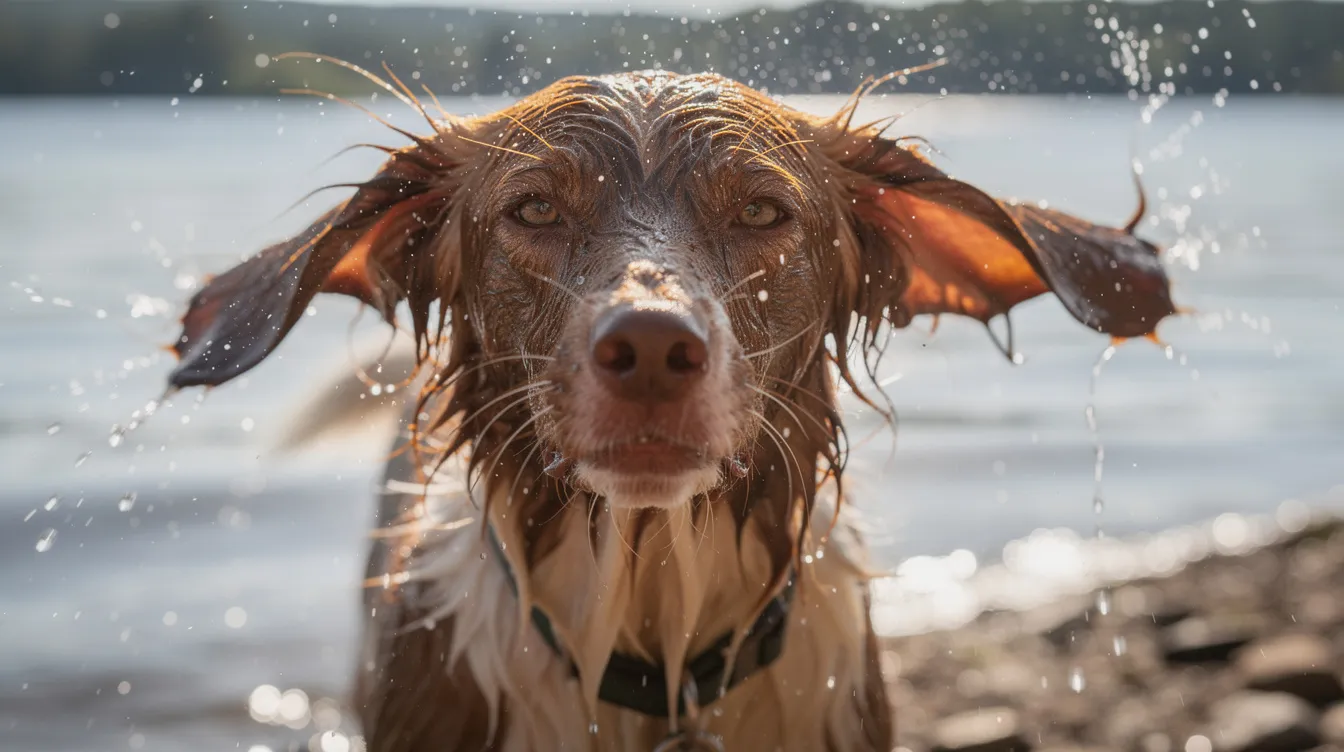
Moisture and warmth remain the primary drivers. Moisture in ears creates a breeding ground for infections by softening the canal lining and shifting pH levels, which lets normal skin bacteria and yeast overgrow.
Allergies are a common cause of ear irritation in dogs. Swimming can exacerbate allergies in dogs, leading to ear irritation, and moisture in the ear canal can worsen allergic reactions. Dogs with environmental sensitivities (pollen, dust mites) or food allergies (chicken, beef) have chronically inflamed skin. Dogs with allergies often develop secondary ear infections when wet ears compound existing inflammation.
Parasites and foreign bodies also play a role. Foreign debris from water, including sand, plant seeds, and small insects, can irritate a dog’s ears. Avoid swimming in stagnant water to reduce the risk of ear infections, as these sources carry more contaminants.
Anatomy and breed risk make a big difference. Dogs with floppy ears are more prone to ear infections because pendulous ear flaps reduce airflow. Floppy-eared dogs are more prone to ear infections from allergies as well. Breeds like Cocker Spaniels, Basset Hounds, and Labrador Retrievers carry higher risk, while dogs with narrow ear canals (Shar-Peis) or hairy canals (Poodles, Doodles) face additional challenges. Dogs with narrow ear canals are at higher risk for infections overall.
Over-cleaning with harsh products, straight alcohol, hydrogen peroxide, or perfumed wipes can damage the ear canal lining and disrupt the normal microbiome, making irritation and discomfort worse. Cleaning a dog’s ears too often can create irritation instead of preventing it.
If dog ear infections keep coming back in one or both ears, many pet owners discover there’s a bigger underlying issue like chronic allergies or endocrine disease that a vet should investigate.
Recognizing When Scratching Means an Ear Infection
Ear problems often start subtly after a weekend swim and can quietly escalate. Ongoing scratching after swimming can indicate an ear infection, and frequent scratching may indicate ear problems in dogs that need attention.
Hallmark signs of otitis externa include:
- Persistent head shaking or holding one ear lower
- Pawing at the ear or rubbing against furniture
- Redness and swelling in the ear indicate potential infection
- Foul odor from the ear suggests an underlying issue
- Visible brown, yellow, or green discharge from the ear canal may indicate infection or irritation
- Thickened or narrowed canal opening
Some dogs become quieter, irritable, or uncomfortable when touched around the head. Appetite may drop if pain is significant. These behavioral shifts are easy to miss if you’re not looking for them.
Warning signs of deeper infection: loss of balance, walking in circles, head tilt, rapid eye movements, or painful crying when opening the mouth. These suggest middle or inner ear involvement and warrant urgent veterinary attention. CompanAIn’s AI-powered symptom checker can help you assess severity and decide next steps.
If “just scratching after swimming” lasts more than 24–48 hours or recurs after every swim, don’t wait. Pet owners should not start medicated drops left over from a previous infection without a vet exam. A damaged eardrum or misdiagnosis can make things worse.
Log the date, type of water (pool, lake, ocean), and symptoms in CompanAIn to help your veterinarian pinpoint seasonal patterns and triggers during your next visit.
Safe Home Care: Drying and Cleaning Your Dog's Ears After Swimming
Gentle, consistent ear care after each swim or bath can make a big difference. Cleaning ears after swimming helps prevent infections, and regular ear rinsing helps maintain ear cleanliness for swimming dogs.
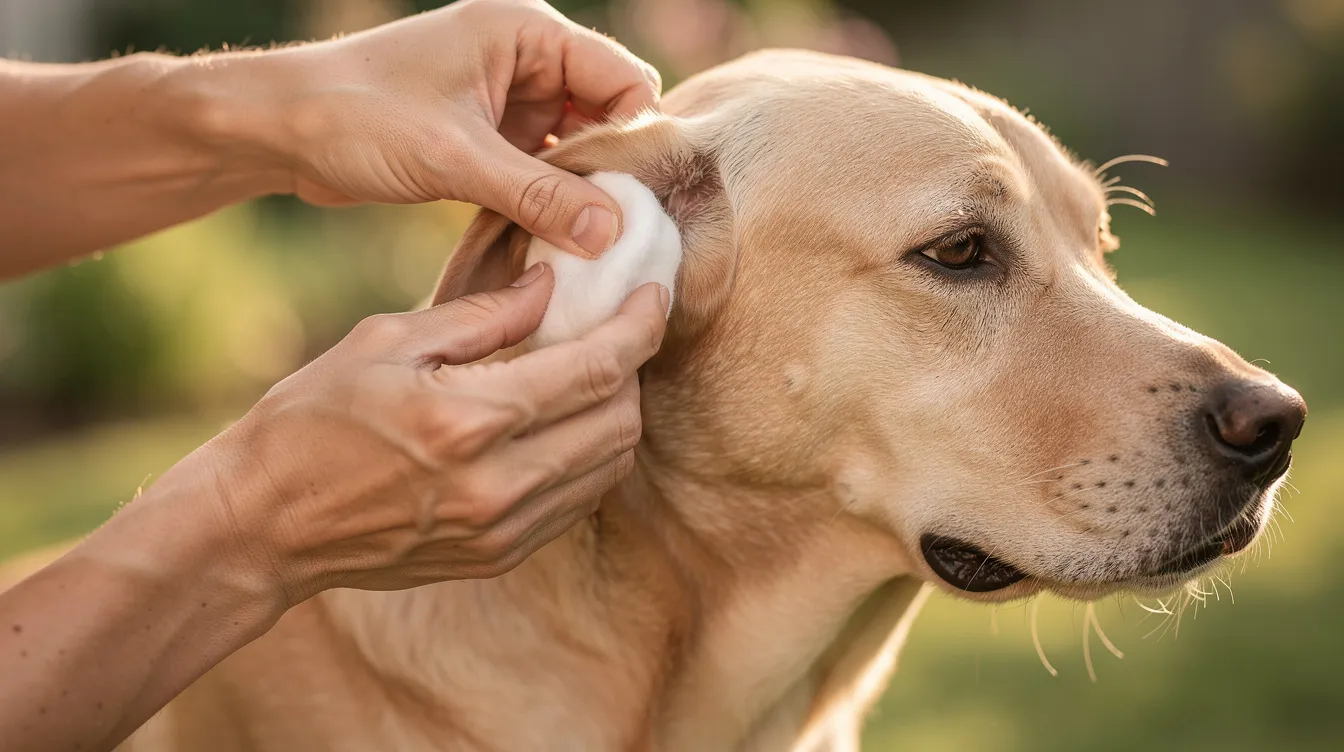
Safe drying steps:
- Gently dry your dog’s ears after swimming to reduce moisture. Use a clean towel around the ear flap and visible opening.
- Blot the outer ear canal with cotton balls or gauze. Avoid using Q-tips inside the ear canal during cleaning.
- Tilt the dog’s head to each side to help trapped water drain naturally.
Choosing an ear cleaner: Use a veterinary-approved dog ear cleaner designed to evaporate moisture and support healthy canal pH. Using a vet-approved drying solution can help remove residual moisture from a dog’s ears. Avoid human ear products, alcohol-heavy solutions, or hydrogen peroxide unless your vet directs otherwise.
Step-by-step ear rinse method:
- Lift the dog’s ear flap and apply a gentle ear rinse after water exposure to flush debris, filling the canal until slightly full.
- Massage the base of the ear for 15–20 seconds to distribute the solution and loosen debris.
- Let your dog shake naturally to expel fluid.
- Wipe away loosened material with cotton or gauze, limiting depth to your first knuckle.
Some vets recommend a diluted white vinegar solution (1:1 vinegar to clean water) for specific pets. Use a vinegar-water rinse after swimming to prevent infections, but always get individualized instructions first.
Frequency: After each swim for high-risk dogs (floppy ears, narrow canals, dogs that swim frequently). Weekly or as directed for others. Stop cleaning and contact your vet if redness, pain, or odor are already present.
Start training puppies early to accept ear handling with treats, calm voice, and short sessions. Record which cleaner you use, how your dog tolerates it, and the response over time in CompanAIn to optimize your routine.
When to See the Vet and How CompanAIn Supports Ongoing Ear Health
Early veterinary care prevents minor swimmer’s ear from becoming chronic, painful, or permanent. Most dogs respond well to treatment when infections are caught early.
See your vet promptly if you notice:
- Strong foul smell or thick, colored, or bloody discharge
- Intense pain, swelling, or heat around the ear
- Head tilt, balance changes, or signs suggesting hearing loss
- More than two to three ear infections after swimming in a single season
A typical veterinary workup includes otoscopic examination of the dog’s ear canal and eardrum, cytology swabs to identify bacteria, yeast, or mites, and sometimes culture testing for resistant infections. Blood tests may follow if underlying conditions like hypothyroidism or allergies are suspected.
Common treatment options:
- Prescription ear drops combining antibiotic, antifungal, and anti-inflammatory agents
- Oral medications for severe inflammation or infection that has spread
- Allergy management plans for dogs with recurrent ear problems
- Sedated ear flushing for deep or severe debris
If ear infections are ignored, the ear canal can thicken, narrow, or even calcify, leading to permanent hearing loss. In extreme chronic cases, surgery to remove diseased tissue becomes necessary.
CompanAIn helps pet owners keep a dynamic health timeline of ear symptoms, water exposure dates, medications, and lab results, making each vet visit more efficient. Its AI-powered tools provide summaries of vet visit notes, detect trends in recurring infections linked to seasons or activities, generate personalized action plans, and enable secure vet–owner communication through its portal.
With consistent preventive care, timely veterinary help, and smart tracking through CompanAIn, most dogs can keep enjoying swimming all season long. Start building your dog’s health timeline today so you never have to guess whether that post-swim scratch is normal or something more.