
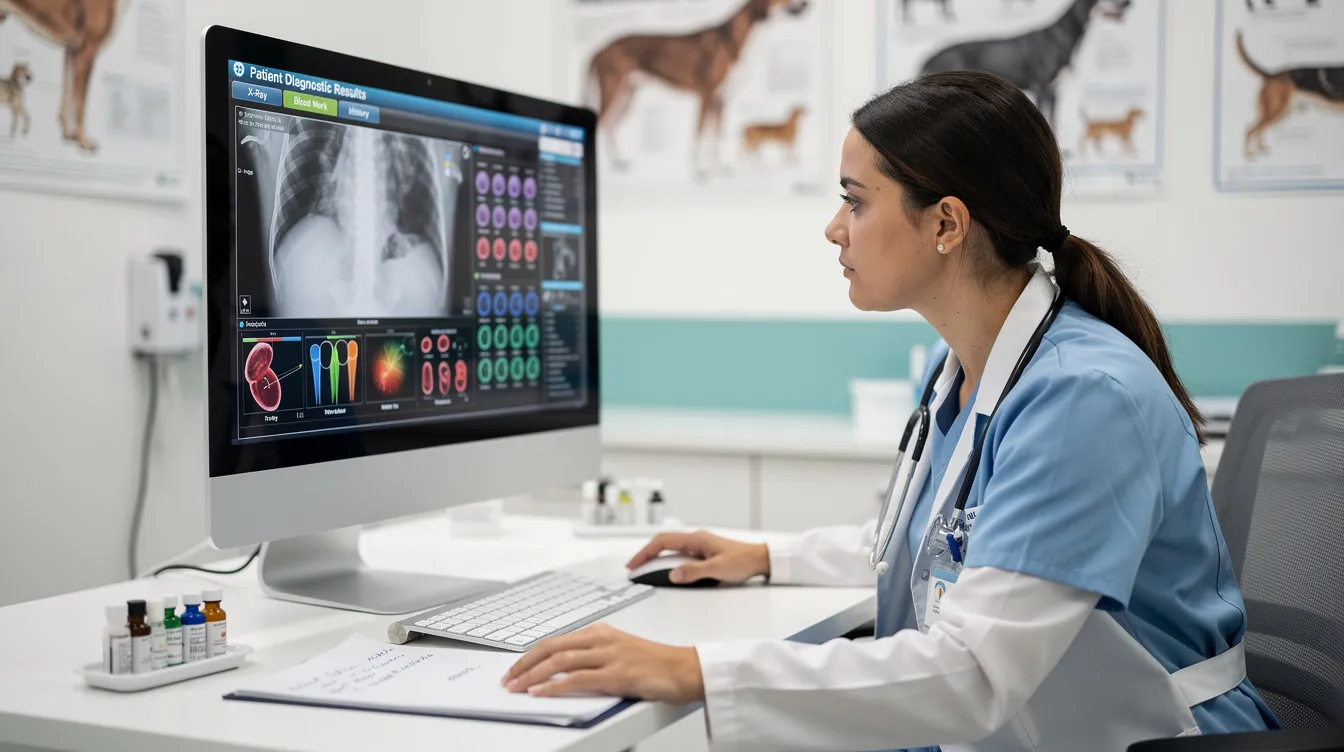
Artificial intelligence already sits inside many of the machines and platforms veterinarians use every day. When an in-house analyzer runs a CBC or chemistry panel, embedded algorithms flag abnormal cell counts and chemical values before a technician reads the printout. When a clinic uploads a thoracic radiograph to a cloud service, a convolutional neural network scans it for lung patterns, effusions, or cardiac enlargement within seconds. These systems work quietly in the background across small animal clinics, equine practices, and reference labs.
CompanAIn is a pet wellness platform that uses clinician-grade AI to help pet owners and veterinarians understand laboratory results, track trends over time, and act on early warnings. This article covers how artificial intelligence improves interpretation of diagnostic tests, speeds up the diagnostic workflow, and supports better veterinary care across species.
What Artificial Intelligence Means in Veterinary Medicine
In veterinary medicine, AI refers to machine learning and deep learning algorithms trained on large, labeled datasets from veterinary patients. These models learn to recognize subtle patterns in data such as imaging scans, blood panels, and metabolomic profiles that human intelligence alone may process more slowly or inconsistently. AI is used as a decision-support tool in veterinary diagnostics; it assists veterinarians by rapidly analyzing complex diagnostic data and can integrate large amounts of diagnostic information to identify patterns.
AI in the veterinary field typically appears in three forms:
- Embedded algorithms in lab machines that auto-classify cells and flag abnormal chemistry values.
- Cloud-based image analysis platforms (such as SignalPET) that return labeled regions of interest on radiographs and cytology slides.
- Decision-support dashboards tied to electronic health records that consume historical lab data and generate risk scores.
Concrete examples of how AI tools work in veterinary practice include a neural network trained on data from 106,251 cats that predicted chronic kidney disease with 90.7% sensitivity and 98.9% specificity at the point of diagnosis. A separate model detected canine cardiogenic pulmonary edema on thoracic radiographs with 92.3% accuracy. In equine medicine, researchers are exploring blood marker-based models for laminitis risk scoring, though published validation remains limited. Veterinarians stay in control throughout: AI models produce advisory outputs that must be interpreted alongside the clinical exam, signalment, and patient history.
How AI Enhances Interpretation of Common Veterinary Diagnostic Tests
AI supports multiple diagnostic modalities: blood tests, imaging, cytology, histopathology, and urinalysis. Here is how it works across each category.
- CBC and blood smear analysis. AI improves accuracy in interpreting complete blood count tests by automating cell counting, classifying blood smears, and identifying abnormal cells. Machine learning models cross-reference blood counts and serum chemistry panels to flag suspicious patterns such as regenerative vs. non-regenerative anemia or leukocyte left shifts, then suggest differential diagnoses for veterinarians to evaluate. AI can automate repetitive laboratory tasks like cell counting, and AI can accurately classify blood smears and identify abnormal cells. For a deeper look at what each value means, see CompanAIn’s guide to understanding dog blood test results or interpreting cat blood test results.
- Chemistry panels. AI correlates creatinine, SDMA, BUN, and urine specific gravity over months to estimate kidney function stage earlier than traditional thresholds. A machine learning model using metabolomics achieved an AUC of 0.929 for predicting IRIS stage 2 CKD in cats six months before conventional diagnosis. AI diagnostics can automate clinical interpretation tasks in real time and enhance evidence-based practices in veterinary medicine.
- Radiology and ultrasound. AI algorithms rapidly evaluate radiographs, ultrasounds, and MRIs. AI can scan X-rays, CT scans, and MRIs to spot fractures, tumors, or lung patterns. A comparison of commercial AI software to board-certified radiologists on 50 canine and feline studies found AI matched the best radiologist in overall accuracy (~90%) while being more specific but less sensitive. Automated measurement tools reduce human error in quantitative imaging metrics, and AI improves the consistency of image interpretation and reduces human variability. AI can flag areas of concern in diagnostic imaging for further evaluation by veterinarians. For imaging-specific context, CompanAIn covers dog MRI images in detail.
- Cytology and histopathology. AI-powered digital cytology tools assist in evaluating cellular smears and biopsy slides. Algorithms quantify mitotic figures, classify cell populations, and highlight hotspots on digital slides for pathologists. AI allows rapid analysis of digital slides and integrates clinical information to focus review on the most critical areas first.
- Urinalysis and urine sediment. Image-based AI differentiates crystals, casts, and cells in sediment analysis, reducing manual review time and inter-operator variability. AI tools reduce human error in veterinary imaging and lab results, and urine specific gravity trends feed directly into kidney disease risk models. CompanAIn offers species-specific guides such as urinalysis for cats.
Speeding Up the Diagnostic Workflow in Veterinary Practice
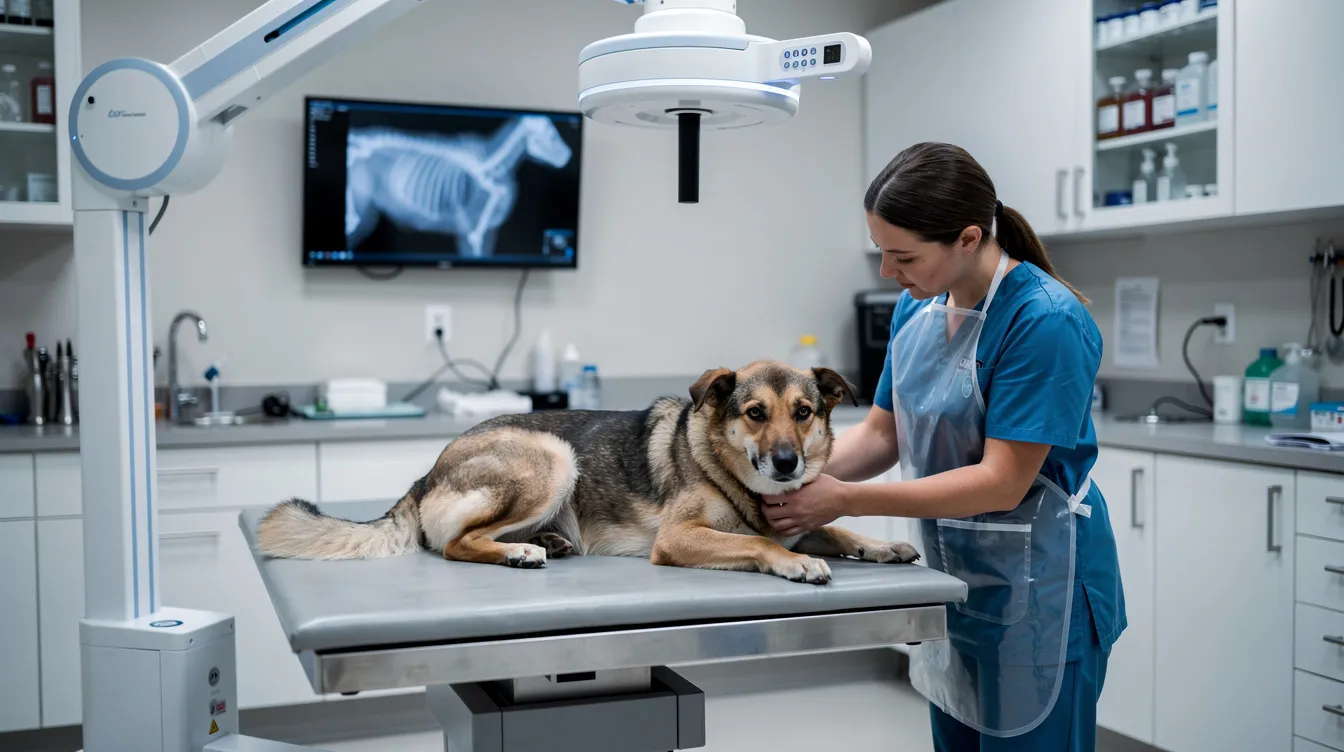
Veterinary clinics operate under tight constraints: short appointment windows, a single lab technician running multiple samples, and a shortage of board-certified radiologists. The average general practice veterinarian interprets dozens of test results per day without specialist backup.
- AI tools quickly flag abnormalities and prioritize cases for review by veterinarians, surfacing high-risk findings first. In emergency settings, this matters: a study on AI detection of pulmonary edema showed the system could identify urgent thoracic radiograph findings after hours, when no radiologist was available.
- In-house analyzers with integrated AI reduce turnaround time for CBCs, chemistry, and urinalysis by automating cell counts, pattern recognition, and quality control checks. AI enhances workflow by assisting with image preprocessing and administrative tasks.
- AI can automate clinical interpretation tasks in veterinary medicine, from sample analysis through automatic result upload into the practice management system. By the time a veterinarian enters the exam room, an AI-driven summary of the patient’s diagnostic results is already available.
- Concrete workflow benefits include fewer repeat tests due to early detection of sample issues (hemolysis, lipemia), standardized reference intervals adjusted by species and breed, and faster follow-up calls to pet owners with clear explanations of findings. AI tools improve accuracy and efficiency in veterinary care, and AI diagnostics can reduce human error in imaging results.
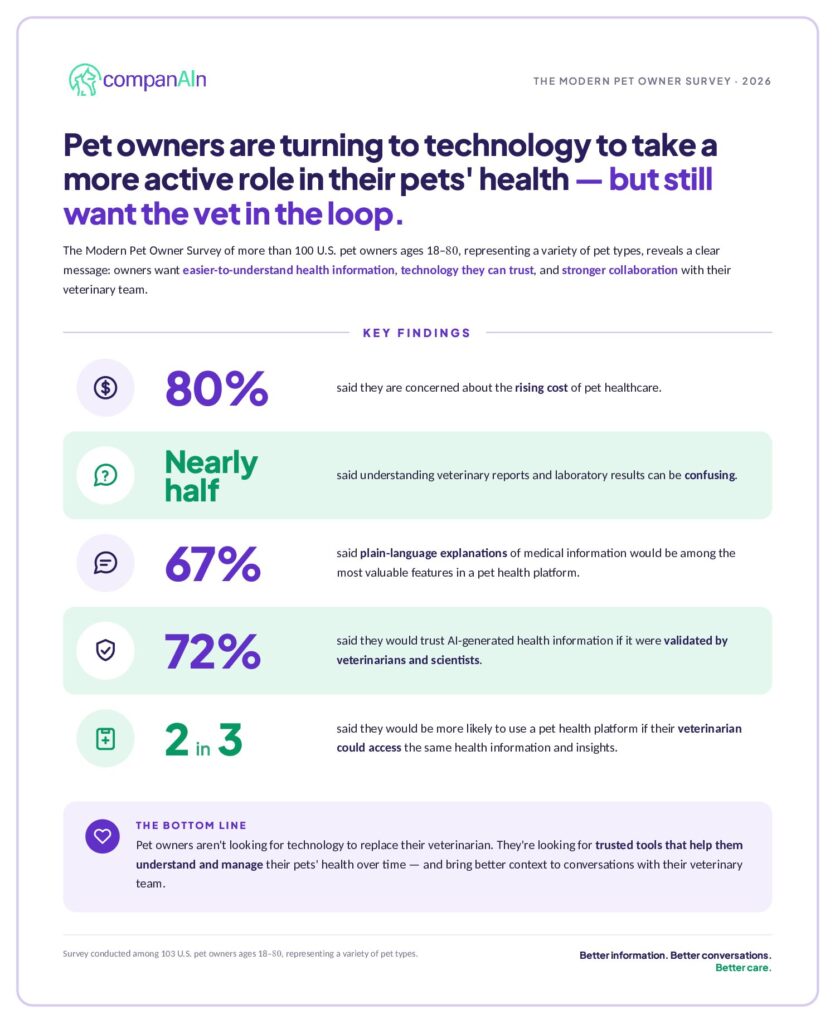
CompanAIn extends this efficiency beyond the clinic walls: clinician-grade AI summaries and a secure vet portal let pet owners and veterinarians review laboratory results and trends in a shared, easy-to-understand format.
Predictive Analytics: From Single Test Result to Long-Term Health Insight
Predictive analytics in veterinary science uses historical and real-time data to forecast animal health risks and disease progression. Algorithms process patient history and current diagnostic metrics to generate risk assessments.
- AI can predict chronic kidney disease in cats two years earlier than conventional diagnostic criteria. A neural network trained on over 100,000 feline health records from Banfield Pet Hospitals (1995-2017) achieved 44.2% sensitivity and ~99% specificity at the two-year mark, rising to 90.7% sensitivity at the point of diagnosis. Over 100,000 medical records predicted kidney disease in cats two years earlier than standard methods, using only creatinine, BUN, urine specific gravity, and age.
- Predictive analytics forecasts chronic disease risks in pets beyond kidney disease. Predictive analytics also guides tailored vaccination schedules for pets by factoring in breed risk, geographic exposure, and prior immune response data. AI tools enhance early detection of health issues in veterinary care across species including dogs, cats, and horses.
- Predictive models support disease outbreak management in livestock. Clustering abnormal test results across animals in a region can signal an emerging infectious disease before clinical signs appear in most of the herd.
- CompanAIn applies predictive analytics to individual pet care through a dynamic health timeline that tracks lab markers, symptoms, and behaviors over months. The platform surfaces early warnings and personalized wellness recommendations before a condition reaches a clinical threshold.
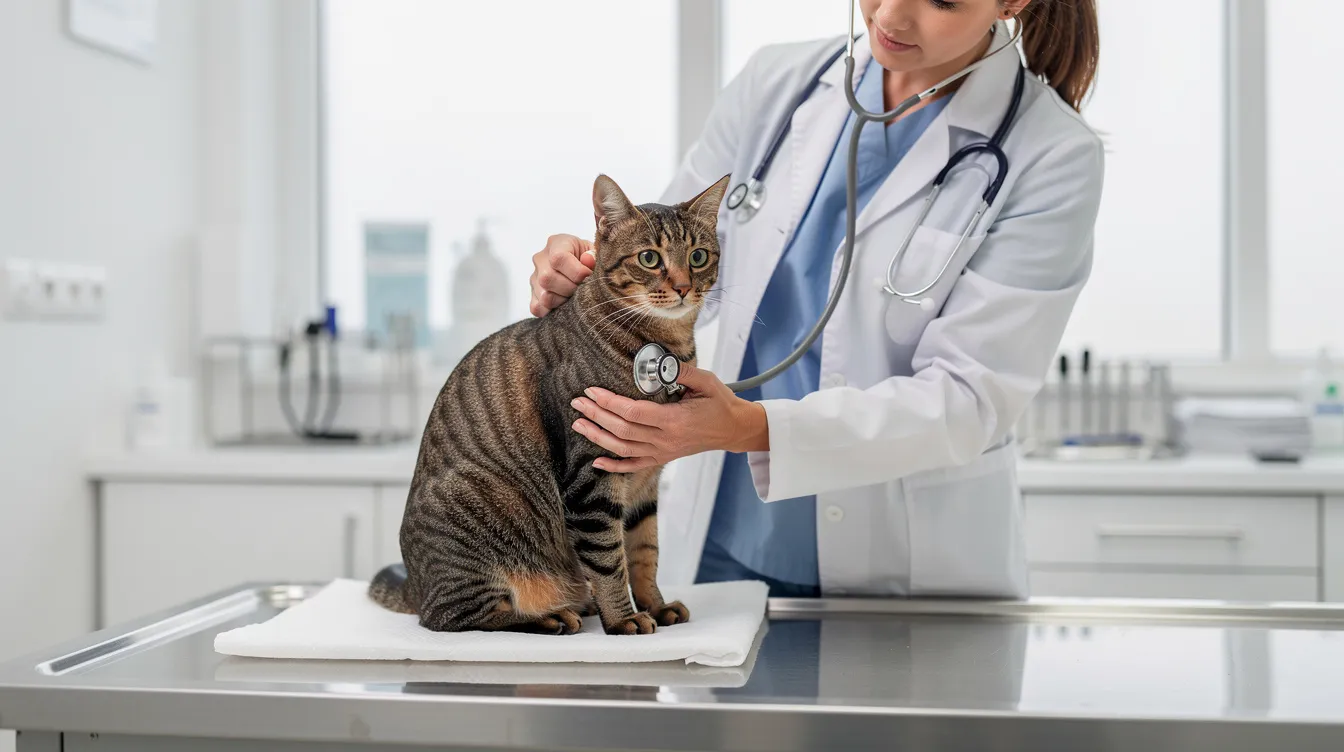
Predictive models should always be interpreted with veterinary oversight. They are not a basis for treatment planning or euthanasia decisions on their own.
Ethical Considerations and Data Privacy in AI-Driven Veterinary Diagnostics
AI improves veterinary diagnostics, but incorporating AI into clinical practice introduces ethical considerations and data privacy questions that clinics and technology providers need to address.
- AI should complement, not replace, human veterinary judgment. The veterinarian remains the final decision maker, weighing AI output against physical examination findings, patient history, and client preferences. A review of AI-assisted radiograph interpretation best practices stressed that professional accountability stays with the clinician.
- Overreliance on AI tools carries risk. In the pulmonary edema detection study, positive predictive value was only 56%, meaning nearly half of positive flags were false positives. A pilot external validation of commercial AI on canine abdominal radiographs showed sensitivity as low as 28% for some findings when models trained in referral hospitals were applied in general practice. Using algorithms outside their validated species or test range creates real diagnostic risk.
- Data privacy concerns arise with AI in veterinary practices. Lab results, diagnostic images, and medical records contain owner information and pet identity data. When shared with cloud AI services, encryption, anonymization, and secure transmission are essential. Regulatory frameworks vary by country, and informed consent about AI use should be part of transparent client communication.
CompanAIn addresses these concerns through privacy-by-design architecture, anonymization of training data, and clear owner control over sharing health records with their veterinarian via the secure vet portal.
Future Potential of AI in Veterinary Diagnostics and the Role of CompanAIn
Between 2026 and 2030, AI in veterinary medicine will likely move toward more accurate disease staging, real-time triage integrated into practice management systems, and models validated across a wider range of animals. The technology is advancing; the question is how quickly validation catches up.
- Multimodal AI that combines lab results, imaging, genetics, and behavioral data from wearable sensors is in early prototype stages. No large published veterinary model integrates all these inputs yet, but research groups at multiple university programs are working on merged-data architectures.
- AI models trained on underrepresented species (rabbits, ferrets, exotic birds) will expand the reach of AI-assisted diagnostics beyond dogs and cats. Cross-species transfer of human medical AI advances into veterinary care is another active research focus.
- CompanAIn plans to expand its AI tools to interpret more complex lab panels, integrate with additional clinic information systems, and provide shared dashboards so veterinarians and pet owners see the same data, trends, and action plans. The platform already delivers actionable insights from routine blood panels; the next step is deeper integration with imaging and behavioral monitoring to perform tasks that currently require multiple disconnected tools.
AI will keep reshaping how veterinarians read lab panels, radiographs, and tissue slides. The human-animal bond and the veterinarian’s clinical expertise remain central to every diagnosis and treatment decision. AI serves as a support tool: a fast, consistent, pattern-finding teammate that makes informed decisions easier to reach. Explore CompanAIn’s AI-powered platform to track your pet’s health data and lab results in one place.