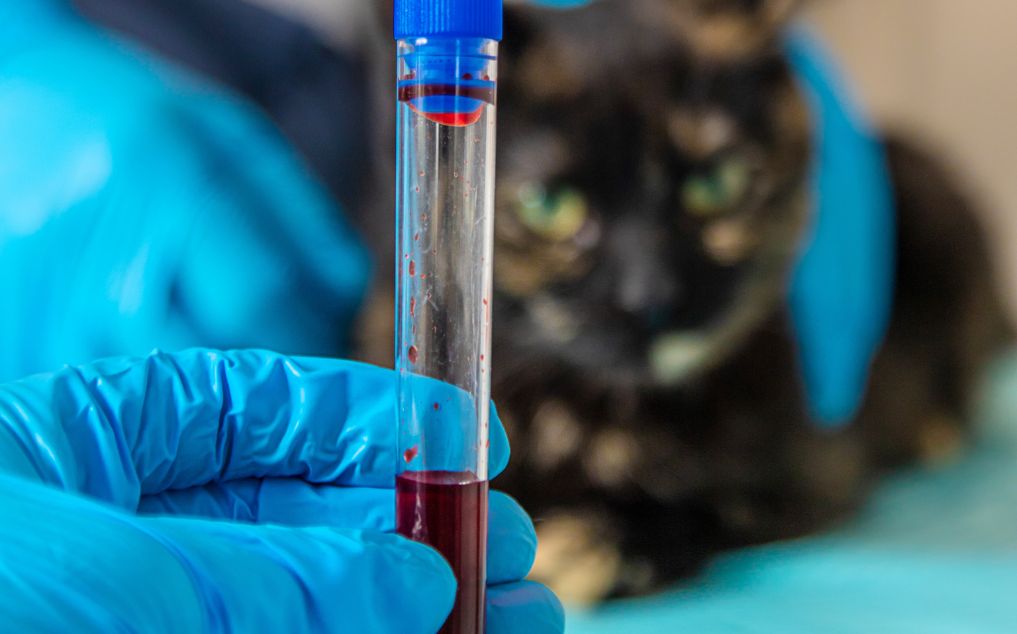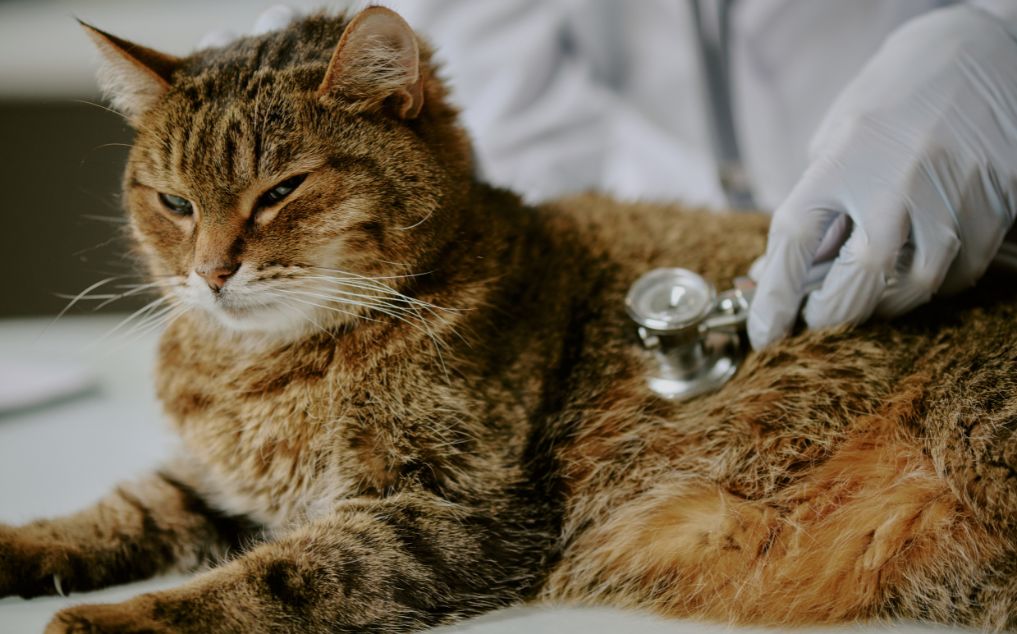

For many cat owners, taking their feline friend to the vet can feel like a stressful ordeal — for both human and animal. Cats are notoriously good at hiding discomfort, and when they finally do show signs of illness, it’s often serious. That’s why knowing how often cats need to go to the vet isn’t just about routine—it’s about early detection, prevention, and quality of life.
But vet visits alone aren’t always enough. Between appointments, subtle signs of illness can go unnoticed. That’s where AI-assisted tools like CompanAIn come in. By analyzing health records, lab results, and owner-logged observations, CompanAIn provides insights to help pet owners identify concerns early—often before physical symptoms appear.
In this guide, we’ll break down:
- The ideal vet schedule based on your cat’s life stage
- The types of checkups your cat needs (and when)
- How AI tools like CompanAIn enhance traditional care
- Warning signs to watch for between visits
- Practical steps to keep your cat healthy year-round
Let’s explore how routine care + AI-assisted insights from health records create a powerful formula for lifelong feline wellness.
Why Routine Vet Visits Are Essential for Cats
Unlike dogs, cats don’t always make it obvious when something’s wrong. They’re creatures of habit, and many signs of illness are so subtle, they’re easy to miss until the condition has progressed.
That’s why veterinarians and feline health organizations recommend routine wellness exams even when your cat appears completely healthy.
What Vets Look For During Wellness Exams:
- Physical exam: Eyes, ears, teeth, heart, lungs, coat condition
- Weight tracking: Weight loss or gain can indicate serious issues
- Blood tests: Kidney function, liver health, thyroid levels, diabetes markers
- Dental assessment: 70% of cats have periodontal disease by age 3
- Vaccinations: Boosters for diseases like rabies, FVRCP, FeLV
Routine exams are also the best time to ask about behavior changes, nutrition, grooming, and age-related concerns.
How Often Do Cats Need to Go to the Vet?
Life Stage Guidelines
The answer to this question depends on your cat’s age, health status, and lifestyle (indoor vs. outdoor). Here’s a breakdown:
Kittens (0–12 Months)
Vet Visit Frequency: Every 3–4 weeks until 16 weeks, then monthly until 6 months, then at 1 year.
- Initial vaccinations: FVRCP, rabies, FeLV
- Deworming, fecal tests
- Spay/neuter around 5–6 months
- Monitoring for growth, behavior, and development
CompanAIn helps you track trends from your kitten’s medical records and logged observations, highlighting patterns worth discussing with your vet — ideal for spotting developmental concerns early.
Adults (1–7 Years)
Vet Visit Frequency: Once per year
- Annual physical exams
- Vaccine boosters as needed
- Routine blood work to establish baselines
- Weight and dental checks
Even healthy adult cats benefit from annual labs—many chronic conditions begin with subtle shifts in bloodwork or weight.
With CompanAIn, you can spot health trends in records and logs between vet visits. Subtle patterns in weight, labwork, or owner-noted changes can be flagged for earlier attention. You’ll spot behavior changes long before your next vet visit.
Seniors (7+ Years)
Vet Visit Frequency: Every 6 months
- Senior panels: kidney, thyroid, liver, glucose, blood pressure
- Cancer screenings and arthritis evaluation
- Urinalysis and dental checkups
Older cats are more vulnerable to chronic disease, and semi-annual vet visits are the gold standard.
Senior cats often show slow, subtle signs of decline—like reduced grooming, missed litter box usage, or sleeping in unusual places. CompanAIn helps you organize and review senior health records over time, flagging small but important shifts in lab values and notes.
Why Many Cat Owners Miss Vet Visits
Let’s be honest: cats are hard to wrangle. Many cat owners delay or skip appointments because:
- Their cat hates the carrier
- The cat seems healthy
- They’re not sure what the vet will actually check
- Life gets busy
More than half of cat owners don’t bring their cats to the vet regularly. That’s why pairing professional care with at-home monitoring is so powerful. With tools like CompanAIn, even busy or reluctant pet parents can avoid oversight.
The Role of AI in Cat Health: What CompanAIn Does
CompanAIn isn’t a replacement for your veterinarian — it’s a daily checkup in your pocket.
UUsing data from veterinary records and owner-entered logs, CompanAIn creates a personalized health baseline… providing timely insights on meaningful changes over time.
CompanAIn Analyzes:
- Trends in lab results (kidney, thyroid, glucose, etc.)
- Weight changes and medical notes from vet visits
- Patterns in reported appetite or hydration changes
- Historical wellness records for early risk detection
This data can be reviewed in the app and sent to your vet, making checkups more informed, more precise, and more efficient.
What CompanAIn Catches That You Might Miss
Without technology, subtle red flags can fly under the radar for weeks or months:
| Subtle Change | What It Could Mean |
| Slight increase in thirst | Early kidney disease or diabetes |
| Sleeping in new spots | Pain or cognitive decline |
| Reduced grooming | Arthritis or depression |
| Frequent urination | Urinary tract infection |
| Less activity | Obesity, arthritis, or illness |
Instead of reacting to obvious symptoms, CompanAIn empowers you to act on trends.
Integrating Vet Care + CompanAIn: A Smarter Care Strategy
Here’s what your care strategy could look like with CompanAIn:
| Timeline | Action |
| Daily | Monitor CompanAIn data for alerts |
| Monthly | Review trends in feeding, activity, and bathroom behavior |
| Annually | Schedule vet wellness check (adults) |
| Semi-Annually | Schedule vet check for seniors |
| As Needed | Use CompanAIn reports to triage concerns before vet visits |
Vets LOVE informed owners. Showing up with CompanAIn’s data earns you better insights, faster answers, and potentially fewer invasive tests.
How to Make Vet Visits Less Stressful
If your cat resists the vet, here are some CompanAIn-backed strategies:
- Leave the carrier out 24/7 to make it familiar
- Use pheromone sprays (like Feliway) inside the carrier
- Skip breakfast to reduce nausea and food-related stress
- Use CompanAIn to log and review your cat’s health trends so you know when to schedule follow-up discussions with your vet.
What Happens If You Skip Regular Vet Visits?
If your cat seems healthy, it can be tempting to delay vet visits. But even subtle imbalances can spiral into bigger problems if left unaddressed. Here’s what’s at stake:
1. Missed Chronic Conditions
Diseases like chronic kidney disease (CKD), hyperthyroidism, and diabetes are extremely common in cats over 7 years old—but they progress slowly and silently. Without annual (or semi-annual) bloodwork, these conditions often go undiagnosed until symptoms are severe and treatment is urgent.
Early behavior shifts — like increased thirst or urination — are often the first clues of metabolic trouble. CompanAIn highlights some of these trends in your cat’s records and history, so you can raise them with your vet before they become emergencies
2. Unmanaged Dental Disease
Over two-thirds of cats over age three have some form of dental disease. Without dental exams, tartar can lead to gum infections, tooth loss, and even organ damage caused by bacteria entering the bloodstream.
CompanAIn can’t inspect your cat’s teeth — but it can detect changes in certain underlying behaviors that suggest oral discomfort.
3. Hidden Pain or Injury
Cats hide pain instinctively. Limping, reduced jumping, or stiffness may develop so gradually you barely notice — until your cat refuses to move. Vet visits allow for full physical assessments, including joint checks.
Meanwhile, CompanAIn helps track changes in movement, grooming, or resting locations that can indicate discomfort long before it’s visible.
4. Behavioral Shifts and Mental Decline
Cognitive dysfunction (the feline equivalent of dementia) often begins around age 11. Vets can offer treatment plans and enrichment strategies to help, but they need data to detect it early.
CompanAIn helps highlight potential concerns around cognitive decline by organizing and analyzing veterinary records and owner-logged observations, such as reports of restlessness or changes in sleeping patterns.
Prevention Is Better Than Panic
The real cost of skipping vet visits or ignoring early signs isn’t just financial—it’s your cat’s quality of life.
By knowing how often cats need to go to the vet, and pairing that care with daily data from CompanAIn, you create a proactive health plan that gives your cat the best chance at a long, comfortable, and happy life. If you’re planning travel with your cat, a pre-travel pet health check ensures vaccinations, medications, and preventive measures are all up to date before your trip.
FAQ
How often do cats need to go to the vet?
- Kittens: Every few weeks until 16 weeks, then monthly
- Adults: Once per year
- Seniors: Every 6 months
Can CompanAIn replace the vet?
No. CompanAIn is an AI analytics platform, not a diagnostic service. It empowers you with timely insights from your cat’s health records and logged observations so you can partner more effectively with your vet.
Is it worth getting AI analytics for my indoor cat?
Absolutely. Indoor cats still get kidney disease, obesity, dental issues, and diabetes—all of which develop silently. CompanAIn catches these trends early.
What’s the most common preventable illness in cats?
Dental disease, obesity, and kidney issues top the list. All of these are easier to manage when caught early—which is exactly what AI tools like CompanAIn help you do.
What are signs my cat needs a vet visit sooner than scheduled?
Even with regular vet visits, some symptoms can’t wait. Contact your vet immediately if you notice:
- Sudden changes in appetite or water intake
- Litter box issues (straining, frequent urination, diarrhea)
- Vomiting for more than 24 hours
- Lethargy, hiding, or behavioral shifts
- Weight loss or bloating