
Planning to travel with your pet sounds simple until you actually start the process. Whether you’re plotting a cross-country road trip, securing international flights, or arranging a quick weekend escape, health complications accumulate fast and documentation turns into its own challenge. That’s where CompanAIn’s AI-powered platform becomes your strategic advantage.
From document parsing that sorts through every vet note and lab result to AI-powered alerts that surface potential concerns early, CompanAIn maintains your pet’s complete health picture in one accessible space. With specialized AI agents examining past records and current patterns, tailored care plans for travel readiness, and comprehensive health reports you can share with any veterinarian, it’s technology that operates quietly behind the scenes. Understanding which vaccinations are approaching, what paperwork you’ll require, and how your pet’s medical background might influence travel decisions helps you plan thoroughly and move forward confidently.
Understanding Pre-Travel Health Requirements
Most pet owners underestimate how much preparation goes into safe travel. Health certificates, vaccination records, and destination-specific requirements create a complex checklist that varies dramatically based on where you’re going.
Veterinary Health Certificates and Documentation
A Certificate of Veterinary Inspection confirms your pet has been examined and found free of infectious diseases. This official document, issued by a USDA-accredited veterinarian, is required for most interstate and all international travel.
For domestic U.S. travel, health certificates typically must be issued within 10 days of departure. International travel timelines are more stringent—certificates often need completion at least 30 days before departure. The USDA endorses international health certificates, adding another documentation layer.
Contact a USDA-accredited veterinarian as soon as you decide to travel internationally. Some countries require six-month waiting periods between certain tests or vaccinations.
Current Vaccination Requirements
Rabies vaccination stands as the most universally demanded protection for pet travel. Most states and countries insist on proof of current rabies immunization, with particular timing specifications for international destinations. Many countries mandate a 21-day gap after rabies vaccination before permitting entry.
Beyond rabies, confirm all standard vaccinations stay current for your destination. Your veterinarian can suggest which vaccines become necessary based on disease prevalence in the region you’re visiting. CompanAIn monitors vaccination schedules and dispatches reminders when boosters approach, eliminating last-minute rushes before travel.
Comprehensive Pre-Travel Veterinary Exam
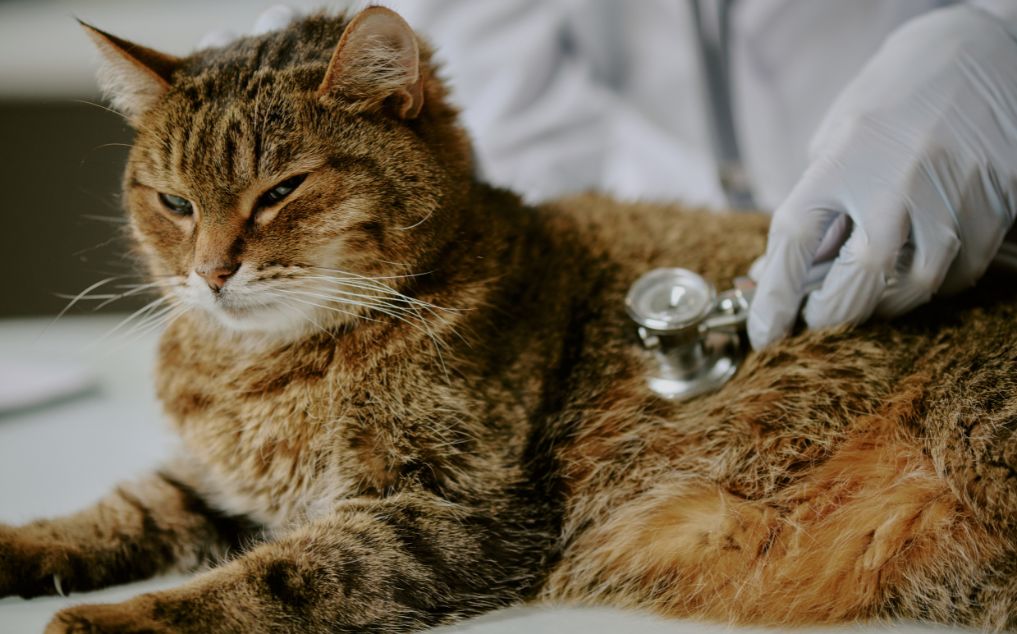
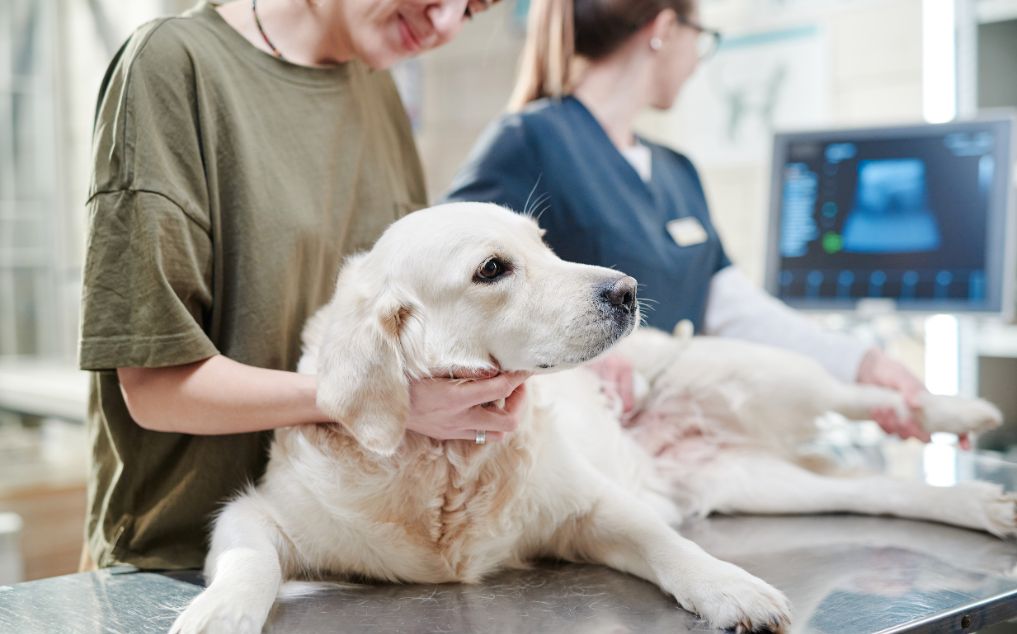
A thorough pre-travel checkup extends beyond routine wellness visits. This exam should include overall health evaluation, screening for conditions that travel might aggravate, heartworm testing, parasite evaluation, and conversation about motion sickness or anxiety. For guidance on how often your cat should visit the veterinarian outside of travel planning, see how often cats need to go to the vet to ensure all routine and preventive care is up to date before departure.
Breed-specific travel risks deserve consideration. Brachycephalic breeds like Bulldogs, Pugs, and Persian cats encounter heightened respiratory risks during air travel because of compressed airways and challenges regulating temperature when stressed.
The Role of AI in Pet Health Monitoring for Travel
Traditional travel preparation leans on periodic vet visits and owner observation. AI-powered health monitoring introduces continuous, data-driven insights that spot subtle shifts humans might overlook.

Personalized Health Roadmaps
CompanAIn builds evolving health roadmaps that forecast potential problems before they materialize. This proactive stance proves invaluable when readying for travel, permitting you to tackle emerging concerns well ahead of departure.
The platform employs specialized AI agents that interpret health data similarly to veterinary specialists—each concentrating on distinct areas like lab interpretation, clinical evaluation, and long-term health analysis. By examining your pet’s individual profile, these algorithms forecast potential travel-related stressors and health vulnerabilities unique to your animal.
Early Detection and Prevention
AI health monitoring observes activity levels, behavioral patterns, and historical health data to pinpoint issues demanding veterinary attention before your trip launches. Early detection means confronting problems at home rather than uncovering them mid-journey.
CompanAIn’s “Living Memory” technology stores and contextualizes every health interaction, constructing a comprehensive view of your pet’s wellness over time. This continuous learning enables more accurate predictions about how your pet might respond to travel stress.
Preparing Your Pet for Different Types of Travel
Each travel mode presents distinct challenges requiring tailored preparation strategies.

Car Travel Preparation
Car travel challenges include motion sickness, confinement anxiety, and temperature control. Launch preparation weeks early by taking brief neighborhood drives, progressively extending duration to acclimate your pet.
Build a secure space—typically the back seat with proper restraints or a well-ventilated crate. Feed your pet three to four hours before travel to discourage car sickness. Never abandon pets unattended in parked vehicles where temperatures can turn dangerous within minutes.
Air Travel Considerations
Air travel generates significantly more stress through unfamiliar environments, loud noises, pressure changes, and separation from owners. Federal regulations require pets to be at least eight weeks old before flying.
Most airlines demand health certificates issued within 10 days of travel. Investigate your specific airline’s policies regarding carrier dimensions, breed restrictions, and whether your pet can travel in-cabin or must go to cargo. Reserve your pet’s spot when booking your own flight, as airlines cap the number of pets per flight.
Prepare your pet by acclimating them to their carrier well beforehand. Place treats, toys, and familiar bedding inside to forge positive associations. For journeys exceeding six hours, consider providing a frozen water dish that progressively melts to prevent spillage while ensuring long-term hydration.
Managing Travel Stress and Anxiety
Many pets experience anxiety during travel because of disrupted routines and unfamiliar surroundings. Calming supplements with natural ingredients like chamomile and L-tryptophan can diminish anxiety without drowsiness.
Discuss anxiety management with your veterinarian before traveling. Some pets benefit from prescription medications, while others respond to pheromone sprays or anxiety wraps. Always test any supplement at home before travel.
Essential Travel Checklist for Pet Health
Comprehensive preparation prevents mid-trip emergencies and ensures regulatory compliance.
Documentation and Medical Records
Carry current health certificates issued within 10 days of travel, proof of rabies vaccination, complete medical records including pre-existing conditions, and prescription medications with extra days’ supply. Include your veterinarian’s contact information and emergency clinic details.
CompanAIn centralizes all health documentation in one accessible platform, permitting quick sharing with airlines, border officials, or emergency veterinarians. The system flags missing documents before travel.
Health and Safety Supplies
Pack a travel first aid kit, prescribed medications and supplements, flea and tick preventives, feeding supplies with regular food, collapsible water bowls, proper leashes and restraints, and grooming supplies with waste bags.
Daily Health Monitoring During Travel
Perform daily health checks when away from home. Look for signs of stress, unusual eating or drinking patterns, bathroom habit changes, or illness indicators. Maintain regular feeding and exercise schedules when possible, as routine diminishes anxiety.
Destination-Specific Travel Requirements
Requirements shift dramatically based on destination and change frequently. Thorough investigation prevents denied entry.
International Travel Complexities
International pet travel involves more planning than domestic travel. Countries have varying requirements including destination-specific vaccinations, parasite treatments, ISO-compliant microchip implantation, rabies antibody titer tests, quarantine requirements, and specific health certificate formats.
Investigate your destination’s requirements at least 30 days before travel. Some countries mandate six-month gaps between tests. Failure to meet requirements can result in quarantine or denied entry.
Interstate Travel Within the United States
Interstate U.S. travel is less complicated than international travel, but requirements shift by state. Hawaii has strict entry requirements to block rabies introduction. Check with your destination state’s health department to verify your pet meets specific requirements.
Post-Travel Pet Health
Post-trip monitoring catches travel-related illnesses early.
Follow-Up Veterinary Care
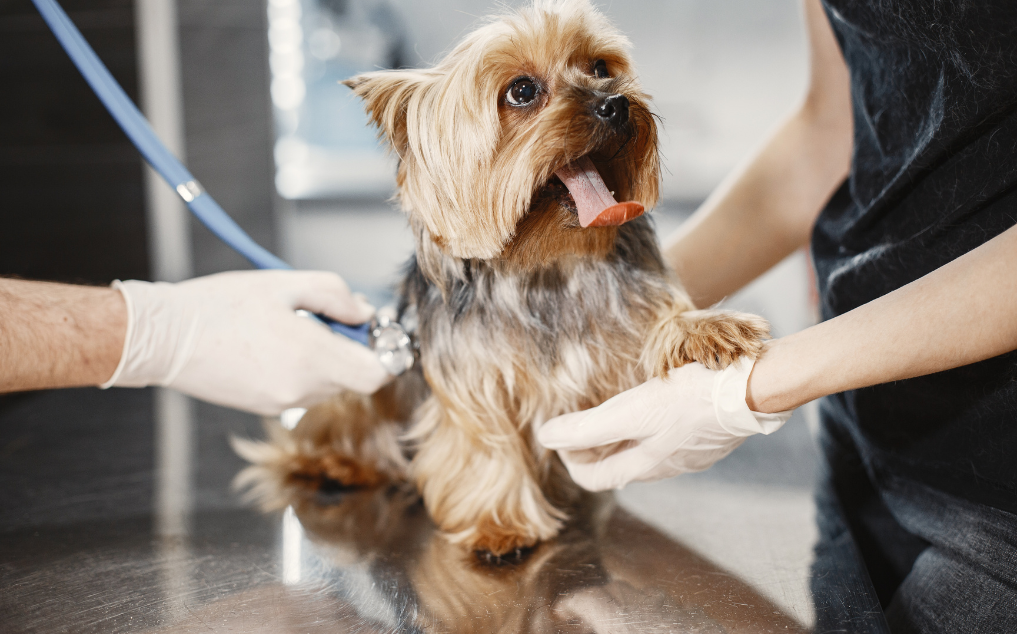
Schedule a follow-up examination after returning to confirm your pet didn’t contract diseases, parasites, or infections. This is particularly important after international travel where pathogen exposure is more likely.
Monitor your pet for illness signs in the weeks following travel, including appetite changes, energy shifts, bathroom variations, or behavioral changes. Many travel-related illnesses have incubation periods.
CompanAIn’s ongoing monitoring observes post-travel recovery, alerting you to concerning patterns. The platform compares post-travel data against baseline metrics to identify deviations quickly.
The Pet Health Partner You Can Count On
No matter the trip, pet health check for travel preparation pet owners lean on should feel organized, accessible, and confidence-building. Whether you’re plotting domestic road trips, readying for international flights, or managing multi-destination journeys, the right health intelligence keeps your preparation thorough and your travel smooth.
At CompanAIn, we pair veterinary-grade AI analysis with user-friendly tools, comprehensive health timelines, proactive alerts, and seamless document management. When you’re ready to transform how you prepare for pet travel, we’re ready to deliver the health insights that matter. Explore CompanAIn’s platform today to get your pet’s health records organized and your travel planning moving forward.
Frequently Asked Questions
How long before travel should I schedule a health check?
Schedule your pre-travel veterinary exam at least two to four weeks before departure. This timing allows your veterinarian to address any concerns and gives you time to complete necessary vaccinations or treatments. For international travel, start planning 30 days or more in advance.
Can I give my pet anti-anxiety medication before travel?
Yes, but only under veterinary guidance. Some pets benefit from prescription anti-anxiety medications or calming supplements. Always test any medication at home first to monitor for adverse reactions. CompanAIn tracks medication history and can alert you to potential interactions.
What health documents do I need during travel?
Always carry your pet’s health certificate, vaccination records (especially rabies proof), recent medical history, medication information, and your veterinarian’s contact details. For air travel, hand-carry these documents rather than packing them in checked luggage.
Are there specific diseases I should worry about when traveling?
Disease risks vary by destination. Common travel-related diseases include rabies, leptospirosis, Lyme disease, heartworm, and diseases spread by mosquitoes and ticks. Discuss destination-specific health risks with your veterinarian for appropriate preventive measures.
How can I prevent motion sickness in my traveling pet?
Feed your pet three to four hours before travel, create a comfortable spot where they’re not looking out windows, keep the car cool, and discuss prevention with your veterinarian. Some pets benefit from ginger supplements or prescription medications.
Should my senior pet travel by air?
Senior pets, very young animals, and brachycephalic breeds face higher risks during air travel due to sensitivity to temperature changes and stress. Consult your veterinarian to assess your pet’s fitness for air travel before booking.