
Red Light Therapy for Animals: Fast Answers for Busy Pet Owners
Red light therapy-also known as photobiomodulation-is a non-invasive, drug-free treatment that uses specific wavelengths of visible red and near infrared light to relieve pain, reduce inflammation, and promote faster recovery in animals. It’s used most often in dogs, cats, and horses, though veterinary interest is expanding to other species as well.
Here’s how red light therapy works in a nutshell: when red and near infrared light penetrate your pet’s body, the light energy is absorbed by mitochondria inside cells, boosting cellular energy (ATP production) and triggering a cascade that reduces inflammation, improves blood flow, and supports tissue repair. The result is a measurable increase in the healing process across skin, muscle, joint, and bone tissues.
Common reasons many pet owners explore light therapy for pets in 2026:
- Arthritis and degenerative joint disease, including hip dysplasia
- Post surgical recovery from orthopedic or dental procedures
- Chronic wounds, hot spots, and stubborn skin conditions
- Soft tissue injuries such as ligament sprains and muscle strains
CompanAIn is a pet wellness platform that helps pet owners track conditions, therapies, lab results, and progress over time. If you’re exploring red light therapy, it gives you a structured way to log sessions, record symptoms, and share a clear health timeline with your veterinarian.
What Is Red Light Therapy for Pets and How Does It Work?
Red light therapy for pets-formally called photobiomodulation (PBM)-applies therapeutic light at specific wavelengths to an animal’s tissues. Red light sits around 630–660 nm (visible red), while near infrared light ranges from roughly 810–980 nm. Wavelengths typically range from 600 to 950 nanometers for veterinary red light therapy applications, with red light therapy devices emitting light across the 630–1000 nm range.
At the cellular level, red light penetrates tissues to increase blood circulation and reach mitochondria, where a protein called cytochrome c oxidase absorbs the photons. Mitochondrial photostimulation boosts ATP production in cells, effectively giving each cell an energy boost that can improve cellular functionality by up to 200%. Red light therapy stimulates cellular activity through photobiomodulation, triggering downstream effects: better blood flow, enhanced collagen production, modulation of oxidative stress, and reduced inflammatory signaling.
Key distinctions worth understanding:
- Light emitting diode (LED) devices produce diffuse, non-coherent light and are common in pads, wraps, and home units. Low level laser therapy (LLLT) devices produce coherent, focused beams at higher irradiance-often used in veterinary clinics.
- Continuous-wave delivery keeps power constant; pulsed modes alternate on/off, which can reduce thermal buildup in deeper tissues.
- Clinic-grade systems typically offer adjustable treatment parameters and higher power. Home devices tend to use lower-power LEDs with preset programs.
Tissue depth by wavelength:
- Red light (~630–660 nm): best for superficial tissues-skin, superficial muscles, wounds, hot spots
- Near infrared light (~810–980 nm): penetrates deeper structures-joints, tendons, ligaments, hip dysplasia sites, spinal tissues
Most veterinary-grade systems in 2024–2026 combine both red and near infrared wavelengths in a single device, covering surface and deeper tissues simultaneously for broader therapeutic benefit.
Which Animals Can Benefit? Dogs, Cats, Horses and More
Most published research on red light therapy focuses on dogs and horses, with growing clinical experience in cats and a smaller body of evidence for other species. Response varies by species, coat thickness, skin pigmentation, and how well the animal tolerates therapy sessions.
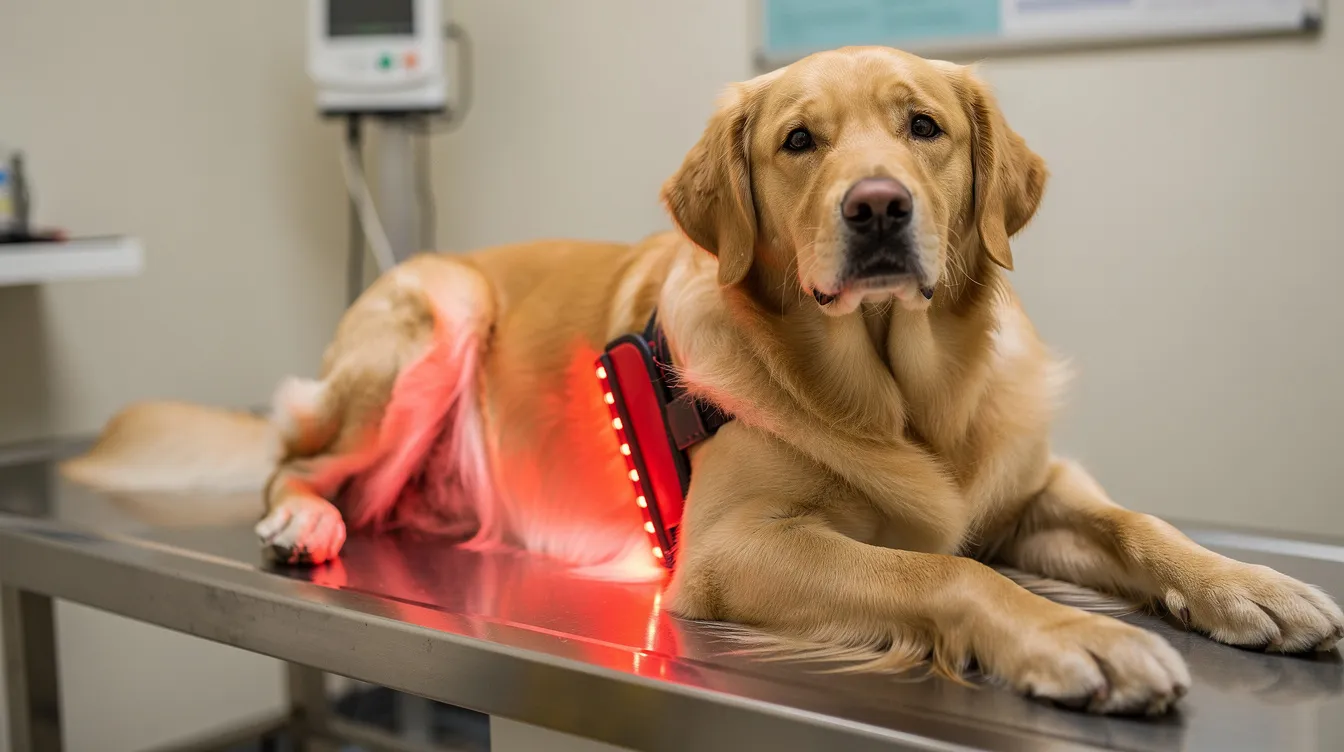
- Dogs: Dogs benefit from red light therapy across a wide range of issues-arthritis (elbow, hip, stifle), cruciate ligament surgery recovery, hip dysplasia, spinal pain, and chronic skin disease like lick granulomas and hot spots. A randomized, blinded trial in dogs with elbow osteoarthritis showed significant improvements in lameness and pain scores with photobiomodulation.
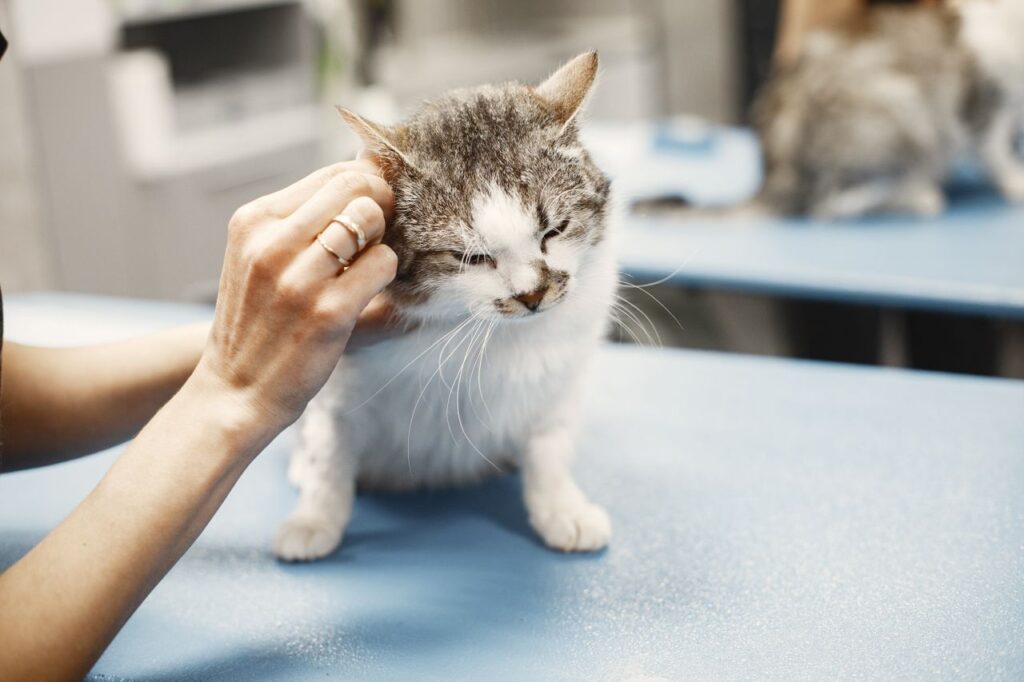
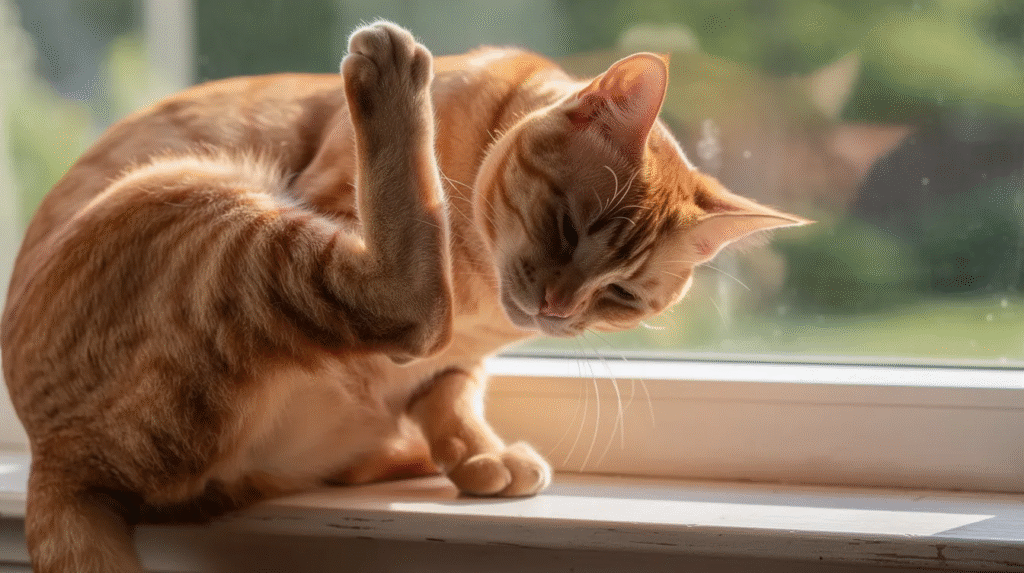
- Cats: Arthritis is frequently underdiagnosed in cats because they hide pain well. Red light therapy aids in healing skin conditions such as bite wounds and abscesses, supports dental surgery recovery, and certain photodynamic-type treatments are used for specific skin cancers under strict veterinary supervision.
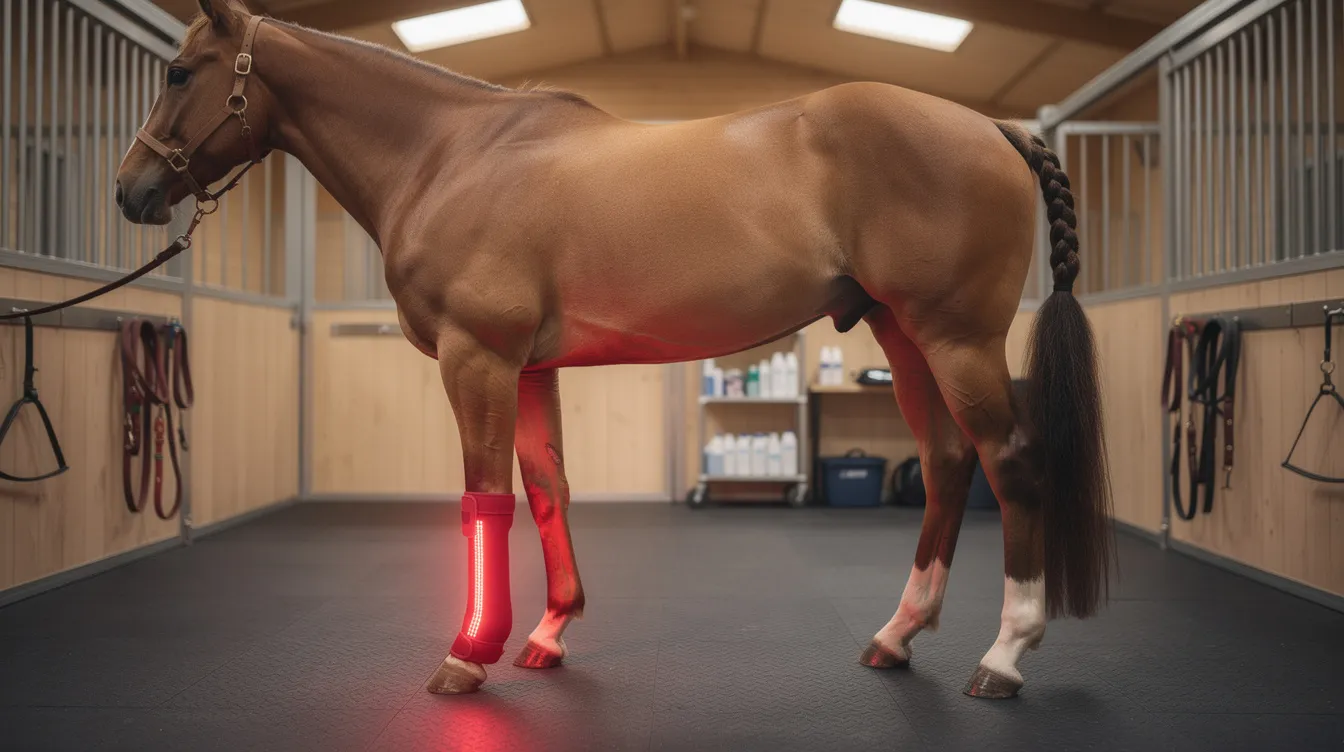
- Horses: Horses treated with red light therapy commonly receive it for tendon and ligament injuries, back pain, wound healing on limbs, and recovery maintenance during competition schedules. Equine studies show improved lameness scores and faster wound closure.
- Other furry friends: Rabbits, ferrets, guinea pigs, and some farm animals have been treated with photobiomodulation in case reports and small studies. Practical constraints-fur density, behavioral tolerance, ability to hold still-influence feasibility for each species.
Conditions That May Benefit from Red Light Therapy
Red light therapy is usually a complementary treatment-it works best alongside conventional care such as medications, surgery, nutrition, and physical rehab. Veterinary photobiomodulation is effective as an adjunct to conventional veterinary care, not a stand-alone fix. Always consult a veterinarian to confirm diagnosis before starting.
- Musculoskeletal pain and joint disease: Red light therapy treats arthritis in aging pets, including elbow osteoarthritis, hip dysplasia, and stifle joint pain. A 2025 LED wrap study involving 13 dogs showed significant improvements in joint circumference, range of motion, and Helsinki pain scores by week 11.
- Soft tissue injuries: It promotes faster recovery from soft tissue injuries-muscle strains, tendon or ligament sprains, and back pain. Common applications include treating musculoskeletal injuries and supporting skin care.
- Skin and wound issues: Red light therapy can reduce inflammation in pets and promotes faster wound healing. Fluorescence biomodulation studies in dogs and cats demonstrate faster wound area closure and improved histological healing markers versus a control group.
- Neurologic recovery: Peripheral nerve injuries, spinal degeneration, and certain CNS conditions appear in veterinary photomedicine reviews as potential indications.
- Post-operative care: It is applied for post-surgical recovery to minimize swelling and accelerate healing after surgical procedures, including orthopedic repairs and dental extractions.
- When red light therapy is NOT appropriate: Do not use over known or suspected tumors, active hemorrhage, or uncontrolled infections. These situations require immediate veterinary evaluation, not home light therapy.
Benefits Pet Owners Hope to See: Pain Relief, Mobility, Faster Recovery
The primary goals are straightforward: pain relief, reduced inflammation, better mobility, and faster recovery. Red light therapy can improve healing and reduce inflammation when properly dosed. Here’s what the evidence and clinical experience show:
- Pain relief: Red light therapy can improve joint pain in dogs with chronic arthritis, hip dysplasia, or back pain. Many pet owners report their dog walking more willingly, climbing stairs with less hesitation, or jumping onto furniture again. Laser acupuncture trials in osteoarthritic dogs showed reduced biochemical stress markers and lower analgesic requirements over time.
- Function and mobility: Improved gait fluidity, increased joint range of motion, and decreased joint swelling have been documented. Senior dogs especially can see a huge difference in daily comfort with consistent treatment.
- Tissue healing and regeneration: Red light therapy enhances collagen production in cells and boosts collagen production in pets overall, contributing to stronger tissue repair and tissue regeneration. Animals treated with red light or low level laser therapy often show faster closure and less scar tissue.
- Faster surgery recovery: Pets treated with red light recover four times faster post-surgery in some veterinary reports. Post surgical recovery protocols increasingly include photobiomodulation to promote healing alongside conventional rehabilitation.
- Quality of life: Less discomfort means better sleep, more willingness to play, and fewer pain behaviors like excessive licking. Many pet owners notice their pet’s quality of life improving within the first few weeks.
- Reduced medication reliance: When red light therapy helps manage pain effectively, some animals need fewer rescue analgesics-always adjusted with vet approval. This can make a huge difference for pets on long-term NSAID protocols.
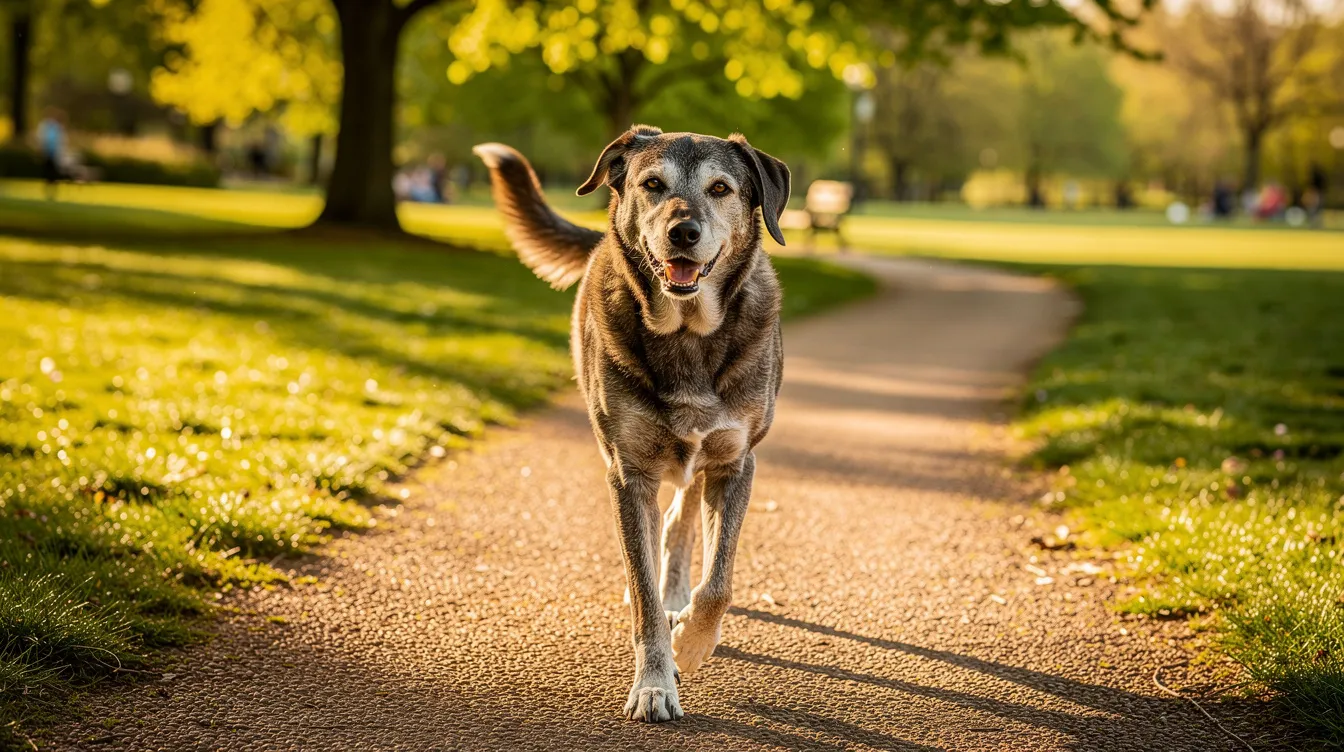
- Senior pets: For older animals dealing with multiple conditions, red light therapy integrates well into a multimodal plan alongside weight control, joint supplements, and physiotherapy. Studies in canine osteoarthritis include dogs with a mean age around 9 years, confirming relevance for aging pets.
Is Red Light Therapy Safe for Pets?
When dosed correctly by trained professionals, red light therapy is safe and considered a safe and effective treatment for dogs, cats, and horses. Red light therapy has minimal risk of side effects, but certain precautions are essential.
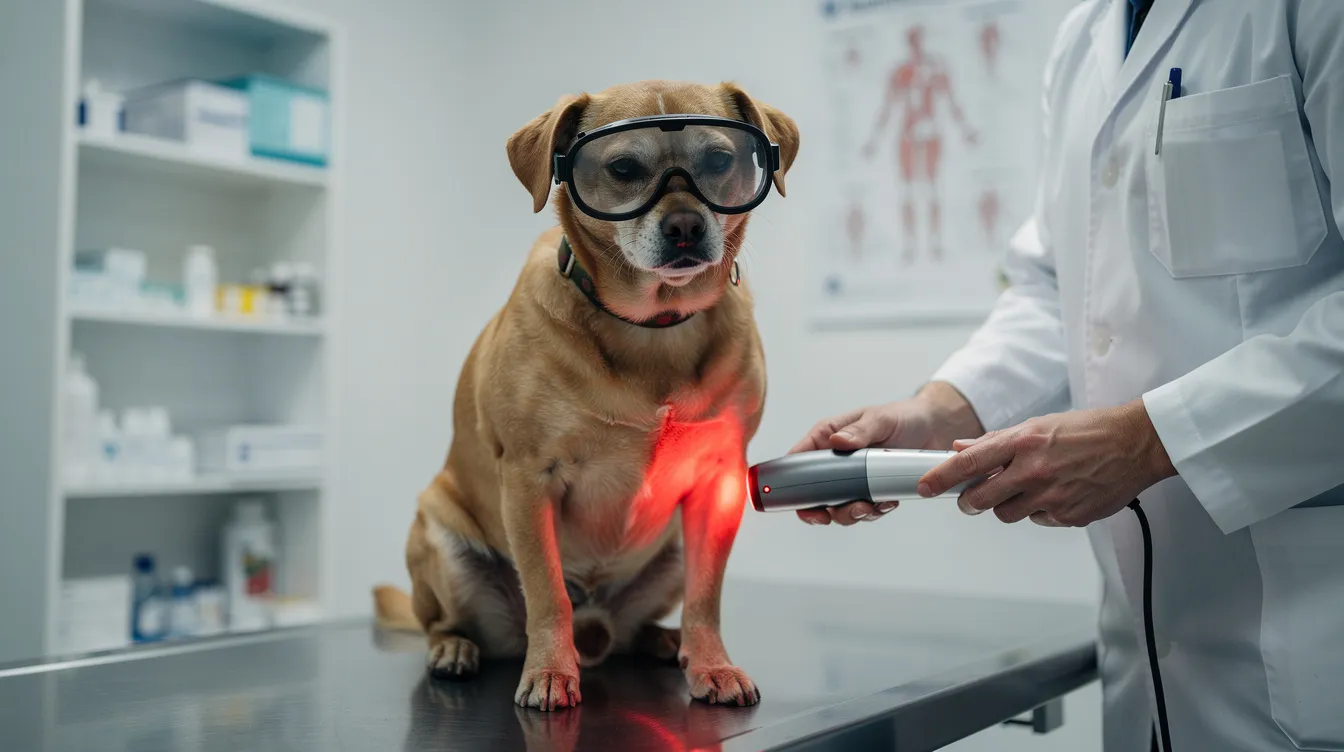
- Eye protection: Proper eye protection is necessary to prevent retinal damage from intense light exposure-for both your pet and the person administering treatment. Near infrared light is invisible, making protective goggles non-negotiable.
- Correct dosing and device quality: The effectiveness of red light therapy can vary based on device type and application parameters. Overpowered devices or excessive treatment time can cause thermal injury. Use devices with clearly stated wavelengths, irradiance, and safety certifications.
- Contraindications: Red light therapy is contraindicated for pets with active cancer or severe photosensitivity. Also avoid use during active hemorrhage, over pregnant abdomen, in very young animals with open growth plates, or in animals on photosensitizing drugs like tetracycline. It may not be suitable for pets with seizure disorders-discuss this with your vet.
- Home device risks: Portable home-use devices exist for red light therapy but should be used under veterinary guidance. Misuse-wrong dose, treating undiagnosed problems, ignoring fur density-can reduce effectiveness or delay proper care.
- Tracking and veterinary collaboration: CompanAIn can help owners track side effects, discomfort, or progress in a structured way to share with their vet. Logging each session’s details makes it easier to spot patterns and adjust the approach if needed, keeping your pet’s comfort front and center.
What a Red Light Therapy Session Looks Like (Clinic vs. Home)
A typical veterinary clinic session begins with a full evaluation-diagnosis confirmation, pain scoring, and sometimes imaging. The vet or rehab therapist then applies therapeutic light using a hand-held probe, LED pad, or wand for 5–20 minutes, depending on the device power and treatment area. Most pets stay awake and relaxed throughout.
- In-clinic environment: Quiet room, pet positioned comfortably (sometimes lightly restrained), device held in contact with or slightly above skin. Fur may be parted or clipped. Protective eyewear is provided for the animal and staff.
- Frequency for acute problems: Multiple sessions per week (3–5 times) initially, sometimes daily for wounds or immediately after surgical procedures.
- Chronic condition scheduling: Arthritis and joint pain typically start with several sessions per week, then taper to weekly or maintenance frequency as comfort improves.
- At-home sessions: Lower-power LED devices may require 15–30 minutes per area versus 5–10 minutes with clinic-grade lasers. Following a written protocol from your vet is critical. Consistency over weeks matters more than any single session.
- Fur and skin considerations: Coat density and skin color affect how much light energy reaches your dog’s body or pet’s body. Direct contact with skin or parting the fur improves dose delivery significantly.
- Session logging: Record each therapy session-time, body area, device settings, and your pet’s response-in CompanAIn’s health timeline or a similar tracker so trends and effectiveness can be reviewed with your vet.
At-Home Red Light Therapy for Pets: Choosing and Using Devices
More pet owners now use home red light therapy devices, but outcomes depend heavily on wavelength accuracy, power output, dose, and protocol adherence. Not all devices on the market deliver what they promise.
- What to look for: Clearly stated wavelengths (dual red + near infrared is ideal), irradiance in mW/cm², veterinary-specific presets, and recognized safety certifications (FDA, CE). A recommended dosage guide from the manufacturer or your vet is essential.
- Device types: LED pads and wraps cover large areas and work well for joints-good for maintenance. Hand-held LED probes are more precise for smaller wounds or specific spots. Low level laser therapy units offer higher irradiance and deeper penetration but cost more and require training.
- Price benchmarks (2026): The HelioPet is a budget-friendly device priced at $349, suitable for basic home use. The MedcoVet Luma is priced around $1,500 for pets and offers more clinical features. The MultiRadiance My Pet Laser 2.0 costs approximately $5,995 and is closer to clinic-grade capability.
- Marketing red flags: Watch for vague specs (just “red light” without wavelengths), claims like “cures arthritis overnight,” or devices marketed for both humans and other pets without veterinary data. If it sounds too good to be true, it probably is.
- Clinic vs. budget expectations: Clinic-grade devices provide more precise dosing and professional support. Budget home devices can still be an effective treatment if expectations are realistic, dosing is followed carefully, and a vet guides the process.
- Track your results: Document symptom scores (pain, lameness, itch) in CompanAIn or a journal before starting and at set intervals. Objective data beats guessing every time.
How Often and How Long: Building a Treatment Plan
Exact protocols depend on your pet’s condition, the device, and your vet’s clinical guidance. There is no universal one-size-fits-all treatment plan, but general patterns are consistent across veterinary practice.
- Acute injuries and post-surgery: More frequent sessions-3–5 times per week for the first 2–3 weeks, sometimes daily. Taper as healing progresses.
- Chronic conditions: Arthritis, hip dysplasia, or ongoing back pain often start at multiple sessions per week, then shift to weekly or a few times per month for maintenance. A personalized treatment plan from your vet accounts for your pet’s condition and response.
- Session length: Therapy sessions typically last about 10 to 15 minutes per treatment area. Higher-power lasers may need only 5–10 minutes; lower-power LED pads may require 15–30 minutes. Treatment time depends on device specs-always follow manufacturer guidelines.
- Reassessment checkpoints: Every 2–4 weeks, evaluate objective signs: gait changes, ability to jump, activity levels, or pain scoring scales. If no improvement after a vet-defined trial period, reassess diagnosis and approach.
- Trend detection: CompanAIn can help detect trends over time by combining mobility notes, videos, and vet reports so owners and vets can decide whether to continue, adjust, or stop therapy.
How to Tell If Red Light Therapy Is Helping Your Pet
Subtle improvements are easy to miss without structured observation-especially in cats and other stoic animals. Chronic pain fades gradually, not overnight, so most pets show incremental gains rather than dramatic shifts.
- Practical indicators: Better willingness to walk or climb stairs, improved gait visible on video, less licking or chewing at sore spots, more normal sleep patterns, or decreased need for rescue pain meds (as approved by your vet). Your furry friend may simply seem more like themselves.
- Before and after videos: Capture your pet walking or trotting on the same surface with consistent lighting. Store clips in CompanAIn or a folder for objective comparison over weeks.
- Pain and activity tracking: Score your pet’s comfort daily (0–10 scale) and log activity measures-walk distance, play time, stair use. Even simple notes create a visible progress curve that supports normal functions monitoring.
- When to stop or pause: If pain worsens, new symptoms appear (swelling, fever, behavior changes), or no improvement is seen after a vet-defined trial period, pause treatment and consult your veterinarian.
- No improvement doesn’t mean failure: Lack of response may mean the diagnosis needs revisiting, the dose or wavelength needs adjustment, or a different modality is required. It doesn’t mean you or your pet did anything wrong.
When Red Light Therapy Is Not Enough: Red Flags and Vet Visits
Light therapy for pets should complement, not replace, full veterinary assessment and conventional care. Even the best red light protocol cannot substitute for a proper diagnosis or emergency intervention.
- Urgent red flags: Sudden severe lameness, non-weight-bearing on a limb, rapid swelling, open fractures, fever, seizure activity, collapse, difficulty breathing, or uncontrolled bleeding all require immediate veterinary attention.
- Chronic warning signs: Unexplained weight loss, persistent vomiting or diarrhea, large or changing lumps, ongoing wound drainage, or unrelenting chronic pain despite appropriate therapy warrant a vet visit or second opinion.
- Tumor precautions: Never use red light therapy over suspected tumors, mammary masses, or areas scheduled for biopsy unless a veterinarian explicitly approves.
- Organized records speed decisions: CompanAIn helps owners organize symptom history, lab results, and treatment logs into a clinician-ready summary to speed decision-making at the clinic.
- When in doubt, call your vet. Continuing home treatments alone when something feels wrong is never worth the risk. Proactive communication can make the difference between a minor setback and a pain free recovery.
Integrating Red Light Therapy into a Holistic Pet Wellness Plan
Optimal outcomes come from combining red light therapy with other evidence-based strategies. A non-invasive treatment like photobiomodulation works best as part of a broader, multimodal approach to your pet’s wellness.
- Multimodal care: Pair light therapy with NSAIDs or other pain meds (as prescribed), joint supplements (glucosamine, omega-3s), controlled exercise plans, and home modifications like ramps or non-slip flooring. This combination can stimulate cellular activity while addressing mechanical and nutritional factors simultaneously.
- Nutrition and body condition: Obesity worsens joint pain and slows the healing process. Gradual weight loss can magnify the potential benefits of every pain relief modality you’re using.
- Behavioral and emotional support: Keep sessions calm. Use treats, positive reinforcement, and respect your pet’s signals. Stress undermines compliance and comfort.
- Coordinated care with CompanAIn: Veterinary teams and pet owners can use CompanAIn to share treatment schedules, rehab exercises, lab results, and progress updates in one timeline. This supports coordinated, data-driven care across providers.
- Long-term, proactive wellness: Use data and regular check-ins to adjust the plan as your pet ages or conditions change. Increasing blood flow and improving blood circulation through consistent therapy, combined with ongoing monitoring, keeps your approach responsive rather than reactive.
Getting Started: Questions to Ask Your Vet and How CompanAIn Can Help
Before your first session, bring specific questions about red light therapy to your veterinarian or rehabilitation specialist. Preparation makes the conversation more productive and your pet’s care more precise. Consult a veterinarian before starting red light therapy-it’s the single most important step.
- Key questions to ask: Is my pet’s diagnosis suitable for photobiomodulation? What wavelengths and dose do you recommend? What’s a realistic timeline for seeing changes? How should this integrate with current medications? Is red light therapy safe for my pet given their specific health history? Is red light therapy good for their particular condition?
- Insurance and cost: Ask about session fees, package plans, and whether investing in a home device makes sense for chronic conditions. Some wellness plans partially cover veterinary medicine rehabilitation services.
- Prepare for the consult: Bring videos of your pet moving, previous lab results, X-ray or MRI reports, and a list of all current supplements and medications. The more context you provide, the better the personalized treatment plan your vet can create.
- How CompanAIn supports this process: CompanAIn compiles a dynamic health timeline, summarizes medical records with veterinary-grade AI, and helps you track red light therapy sessions and outcomes-making every vet visit more productive.
- You’re not alone in this. Navigating choices about light therapy for pets can feel overwhelming, but good data, clear communication, and the right digital tools make decisions easier and safer. Whether you’re managing chronic conditions in senior dogs or supporting faster healing after surgery recovery, structured tracking turns guesswork into informed care.