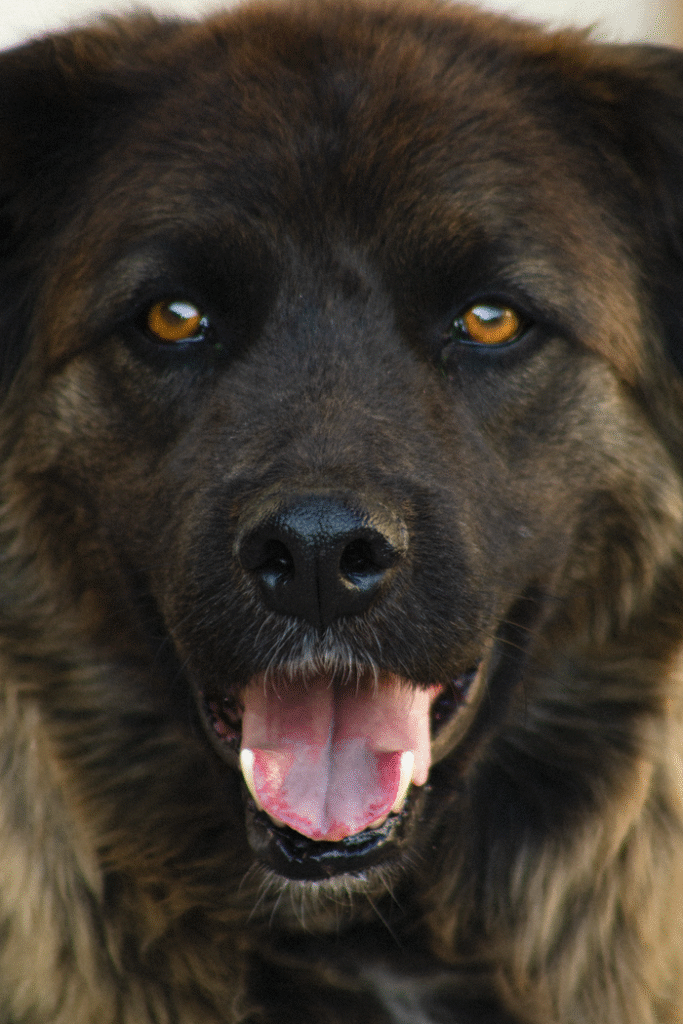

When it comes to finding the best health solutions for your dog, how much should breed really matter?
From the loyal Dachshund, the clever Border Collie, to the gentle Golden Retriever, it’s easy to see why there’s a dog breed for everyone. In addition to being man’s best friend, every breed carries an invisible genetic blueprint. This blueprint includes predispositions to health conditions that may not surface for years.
Proactive, breed-specific health planning means understanding what your dog is more likely to face, and how to spot early signals before they become problems. It turns vague worry into informed, protective action.
Why Does My Dog's Breed Determine Health Risks?
A dog’s breed influences health risks because selective breeding concentrates specific genetic traits, including those linked to disease. While these traits create the physical appearance and behaviors associated with each breed, they also increase the likelihood of certain inherited health conditions appearing over time.
As a result, breed is one of the strongest predictors of which health risks a dog is more likely to face, and when those risks may emerge. For example, the skull shape that defines Bulldogs, Pugs, and French Bulldogs creates their adorable appearance, but comes with lifelong respiratory issues.
Understanding your breed’s genetic legacy doesn’t mean accepting inevitable disease. It means knowing what to monitor, when to screen, and how to intervene early when conditions are most manageable.
What Are the Most Common Breed-Specific Health Conditions?
Large and giant breed dogs carry disproportionate orthopedic disease risk. Hip dysplasia affects approximately Golden Retrievers, German Shepherds, and Bulldogs according to the Orthopedic Foundation for Animals. Symptoms typically appear between one and four years, though joint changes begin during puppyhood growth, with early-onset arthritis developing by age five to seven in affected dogs.
Small breed dogs face different orthopedic challenges. Luxating patellas—kneecaps slipping out of position—affect Yorkshire Terriers, Pomeranians, Chihuahuas, and Boston Terriers. Intervertebral disc disease creates spinal cord injuries in Dachshunds, where approximately 25 percent develop the condition during their lifetime, often triggered by jumping, rough play, or even minor trauma that wouldn’t affect breeds with normal spinal structure.
Heart disease develops in predisposed breeds, with symptoms appearing only after significant cardiac compromise occurs.
Dilated cardiomyopathy affects Doberman Pinschers, Great Danes, Irish Wolfhounds, and Boxers. Cavalier King Charles Spaniels face mitral valve disease affecting many of them into their middle and senior years (Cavaliers may show earlier onset).
Cancer affects many dogs over age 10, with certain breeds facing elevated risk. Most cancers appear in dogs over age seven, though some types affect younger animals.
Brachycephalic obstructive airway syndrome affects the majority of Bulldogs, French Bulldogs, Pugs, Boston Terriers, and Shih Tzus through multiple anatomical abnormalities restricting airflow. The condition exists from birth but often worsens with age, weight gain, or warm weather, creating dangerous heatstroke vulnerability since affected dogs struggle to cool themselves through panting.
Health Conditions By Breed
What Health Conditions Are Golden Retrievers Most Prone To?
Golden Retrievers face heartbreakingly high cancer rates, affecting up to 60 percent of the breed. Hemangiosarcoma (aggressive blood vessel cancer affecting the spleen and heart) and lymphoma represent the most common forms.
Hip and elbow dysplasia affect approximately 20 percent of Golden Retrievers according to Orthopedic Foundation for Animals statistics. Joint abnormalities cause pain, arthritis, and mobility loss, with symptoms typically appearing between one and four years.
Warning patterns can include unexplained weight loss despite a normal appetite, a slow decline in energy or play endurance compared to a dog’s established baseline, and the appearance of new lumps or bumps, especially when they change in size or texture.
At What Age Are Golden Retrievers Prone to Cancer?
Cancer in Golden Retrievers most commonly develops after age six or seven, making it a disease that often emerges in a dog’s senior years. However, certain cancers, including lymphoma and hemangiosarcoma, can appear earlier.
Because risk increases gradually over time rather than all at once, subtle changes in energy, appetite, or physical findings may precede obvious illness. This makes age an important guideline, but not a guarantee, and is why ongoing monitoring becomes more valuable as Golden Retrievers grow older.
What Are German Shepherds' Biggest Health Risks?
Hip and elbow dysplasia affect approximately 19 percent of German Shepherds. These joint abnormalities create chronic pain and progressive arthritis, with symptoms emerging between ages one and four but often worsening significantly by age five to seven.
Degenerative myelopathy, a progressive spinal cord disease, typically appears between ages 8 and 14. The condition produces gradual hind limb weakness progressing to paralysis over months to years. Genetic testing identifies at-risk dogs, though no treatment prevents the condition as of yet.
What Health Problems Should Dachshund Owners Watch For?
Intervertebral disc disease affects approximately 25 percent of Dachshunds during their lifetime, which is 10 to 12 times the rate in other breeds. The achondroplastic dwarfism creating their distinctive short legs also produces abnormal disc structure predisposing to herniation and spinal cord compression.
Symptoms range from mild back pain to complete paralysis. The condition can develop gradually or strike suddenly, often triggered by jumping, rough play, or even minor trauma.
Early warning signs CompanAIn tracks:
- Reluctance to jump on furniture (previously normal behavior)
- Neck stiffness when eating from floor bowls
- Crying out when picked up or touched along the spine
- Changes in gait, shorter strides, stiffness
- Reluctance to climb stairs
Immediate evaluation for any back pain or hind limb weakness is critical, as early intervention improves outcomes dramatically.
What Heart Problems Do Cavalier King Charles Spaniels Develop?
Mitral valve disease affects virtually 100 percent of Cavalier King Charles Spaniels by age 10, with approximately half showing heart murmurs by age five. The mitral valve between the heart’s left chambers degenerates, allowing blood to leak backward and reducing pumping efficiency.
The condition progresses from silent valve changes to detectable murmurs to congestive heart failure over months to years. Early detection enables medication that can delay heart failure onset and extend quality life significantly.
One key warning sign to look for is a resting respiratory rate that trends upward over several weeks (the normal range is 10-35 breaths per minute at rest), with rates consistently above 30-35 breaths per minute while sleeping being particularly suggestive of developing heart failure. Other signs are a decreased exercise tolerance compared to previous months, and sleep disruption patterns, such as waking more frequently or restless positioning.
Monitoring resting respiratory rates daily at home provides earlier detection than waiting for coughing or exercise intolerance. CompanAIn reveals gradual rate increases that owners might normalize or dismiss.
What Respiratory Issues Affect Bulldogs, Pugs, and French Bulldogs?
Brachycephalic obstructive airway syndrome affects the majority of Bulldogs, French Bulldogs, Pugs, Boston Terriers, and Shih Tzus. Multiple anatomical abnormalities, such as stenotic nares (narrowed nostrils) and elongated soft palates restrict airflow and create lifelong breathing difficulties.
The condition exists from birth but often worsens with age, weight gain, or warm weather. Affected dogs struggle to cool themselves through panting, creating dangerous heatstroke vulnerability.
To help mitigate these conditions, weight management proves critical for brachycephalic breeds. Even moderate weight gain significantly worsens airway restriction. Surgical intervention (widening nostrils, shortening soft palates) improves quality of life for severely affected individuals.
What Joint Problems Do Rottweilers Face?
Hip dysplasia affects Rottweilers at high rates, creating chronic pain and progressive arthritis. Elbow dysplasia and osteochondrosis (abnormal cartilage development) also occur frequently in the breed.
Cruciate ligament rupture—similar to ACL tears in human athletes—affects Rottweilers with increasing frequency, often requiring surgical repair costing $3,000 to $6,000.
Osteosarcoma (bone cancer) represents another devastating condition affecting large and giant breeds including Rottweilers. This aggressive cancer typically appears in limb bones, initially mimicking orthopedic injury through intermittent lameness before revealing its true nature.
Early warning signs CompanAIn tracks:
- Subtle gait changes, exercise tolerance reduction, or stiffness after rest
- Limb favoring or weight-shifting when standing
- Hesitation before jumping
- Play session duration decreasing over weeks
- Post-exercise stiffness intensity and duration
What Makes Doberman Pinschers Vulnerable to Heart Disease?
Dilated cardiomyopathy affects up to 58 percent of Doberman Pinschers by age 10. The heart muscle progressively weakens, reducing pumping efficiency and eventually causing congestive heart failure or sudden death from arrhythmias.
The condition develops insidiously. Many Dobermans show no symptoms until heart disease has progressed significantly. Some dogs collapse suddenly from fatal arrhythmias without prior warning signs.
Early detection through monitoring:
- Baseline echocardiogram and Holter monitoring (24-hour ECG) at age 3
- Annual screening thereafter—dilated cardiomyopathy often develops rapidly
- Daily resting respiratory rate monitoring
- Exercise tolerance tracking over time
When Should I Start Screening My Breed for Common Conditions?
What Screening Do Large Breed Puppies Need?
At 4-6 months:
- Preliminary hip and elbow evaluations assess early development
- Growth monitoring ensures appropriate weight gain (rapid growth increases dysplasia risk)
- Nutrition assessment—large breed puppy formulas slow growth benefiting joint development
At 18-24 months:
- Official Orthopedic Foundation for Animals hip and elbow radiographs after skeletal maturity
- Baseline mobility assessment establishing normal gait patterns, joint range of motion, and activity tolerance
- CompanAIn baseline establishment—daily activity levels, play session durations, stair climbing patterns creating reference points for future comparison
When Should Giant Breeds Have Cardiac Screening?
Cardiovascular diseases present a significant risk for many popular large and giant breeds. Early detection is paramount because treatments can significantly slow progression, but cure is rarely possible once advanced stages are reached. Establishing a consistent screening schedule ensures heart function is assessed before outward symptoms appear.
Great Danes, Irish Wolfhounds, and Doberman Pinschers:
- Baseline echocardiogram at age 3-4
- Annual cardiac examination including auscultation
- Holter monitoring (24-hour ECG) annually for Dobermans starting age 3
- Daily resting respiratory rate monitoring via CompanAIn
CompanAIn can analyze your dogs medical records and provide early warning if heart function deteriorates.
What Screening Schedule Do Cavalier King Charles Spaniels Need?
Starting at age 1:
- Baseline cardiac examination with echocardiogram
- Annual auscultation checking for heart murmur development
- Daily resting respiratory rate monitoring at home
Starting at age 5:
- Annual echocardiography regardless of whether murmurs are audible
- Increased vigilance for exercise intolerance or coughing
- CompanAIn tracks respiratory rates—consistent elevations above 30-35 breaths/minute while sleeping warrant immediate evaluation
Cavaliers develop mitral valve disease so predictably that cardiologists recommend assuming all individuals will eventually develop the condition. Early detection through monitoring enables medication initiation that significantly extends quality life.
How Do I Know If Changes Are Normal Aging or Early Disease?
Age expectations vary dramatically by breed size. Giant breeds like Great Danes age rapidly, considered senior by age 6, with average lifespans of 7 to 10 years. Small breeds like Chihuahuas remain spry into their teens. A 7-year-old Great Dane showing reduced activity represents expected aging, while a 7-year-old Chihuahua showing similar changes warrants investigation.
What does normal aging look like?
- Slightly reduced play intensity over years
- Graying muzzle, some muscle mass loss
- Mild exercise tolerance reduction
- Occasional stiffness after intense activity, resolving with movement
What suggests early disease?
- Sudden or accelerating decline over weeks to months
- Good days versus bad days—variability suggesting pain or illness
- Specific activity avoidance (stairs, jumping, running) while other activities remain normal
- Behavior changes—hiding, irritability, appetite fluctuations
How Do AI Tools Distinguish Normal Aging From Disease?
AI tracking reveals these distinctions through objective measurement. When your 6-year-old Labrador’s typical 45-minute play sessions shrink to 30 minutes over three months, is that concerning? AI tools compare current patterns against data from ages 3, 4, and 5, revealing whether this represents normal gradual decline or accelerated change warranting hip radiographs.
When your Doberman’s resting respiratory rate averages 28 breaths per minute at age 7 compared to 18 breaths per minute at age 4, AI flags the trend prompting cardiac evaluation before heart failure symptoms appear.
Pattern recognition humans cannot replicate:
- Multi-year baseline comparison across hundreds of health indicators
- Correlation analysis between multiple variables simultaneously
- Deviation detection when gradual changes fall outside normal variation
- Context from complete health history informing current symptoms
How Can AI Improve Long-Term Health Planning for My Breed?
Traditional breed-specific health management operates reactively. Owners schedule recommended screening tests, watch for concerning symptoms, and seek veterinary care when problems become obvious. This approach works, eventually. But “eventually” often means conditions have progressed beyond optimal treatment windows.
What Makes AI Monitoring Different From Traditional Observation?
Multi-year baseline tracking: CompanAIn begins tracking from day one, establishing baselines across hundreds of health indicators—activity patterns, mobility metrics, appetite consistency, elimination habits, sleep quality, respiratory rates, exercise tolerance. When changes occur years later, veterinarians access complete historical context rather than relying on owner memory.
Pattern recognition across multiple variables: Humans excel at noticing dramatic changes. We struggle detecting gradual shifts masked by daily variation. We also can’t simultaneously track correlations between dozens of variables.
CompanAIn’s Health Analyzer Agent identifies patterns like:
- Your Golden Retriever’s limping correlates with cold weather and damp conditions (arthritis) rather than specific activities (acute injury)
- Your Cavalier’s exercise tolerance decreases specifically on humid days (cardiac disease sensitivity to heat/humidity)
- Your Doberman’s energy decline follows a consistent downward trajectory over six months (systemic disease) rather than fluctuating randomly (normal variation)
Early detection through deviation alerts: The platform establishes normal ranges for each individual animal across tracked metrics. When patterns deviate significantly, the system generates alerts.
For breed-specific conditions benefiting from early intervention, this creates precious time. Detecting cardiac disease when resting respiratory rates first elevate enables medication initiation potentially adding months or years of quality life.
What Daily Health Metrics Should I Track for My Breed?
What Should Dog Owners Monitor For All Breeds?
Effective breed-specific monitoring requires knowing which metrics matter most for your dog’s particular risks.
All breeds benefit from:
- Body weight (weekly for puppies, monthly for adults)
- Activity levels and exercise tolerance
- Appetite consistency
- Elimination patterns (frequency, consistency, straining)
- Sleep quality and duration
- Behavioral changes
What Should I Track for Orthopedic-Risk Breeds?
For German Shepherds, Labradors, Golden Retrievers, and Rottweilers you should track:
- Gait symmetry during walks
- Stair climbing speed and willingness
- Rising time after rest
- Jumping ability and willingness
- Play session duration
- Limb favoring or weight-shifting when standing
- Post-exercise stiffness
What Metrics Matter Most for Cardiac-Risk Breeds?
What to track for Dobermans, Cavaliers, Great Danes, and Boxers:
- Resting respiratory rate (count breaths while sleeping, normal: 10-35/minute)
- Coughing episodes
- Exercise tolerance—distance, duration, recovery time
- Sleep disruption
- Gum color (pale suggests poor circulation)
CompanAIn’s respiratory rate tracking proves invaluable for cardiac breeds. Rates consistently above 30-35 breaths per minute while sleeping suggest developing heart failure requiring immediate veterinary evaluation.
What Should Brachycephalic Breed Owners Monitor?
For Bulldogs, Pugs, French Bulldogs, and Boston Terriers owners:
- Respiratory rate and effort at rest and after activity
- Exercise tolerance in various temperatures
- Recovery time after exertion
- Sleep quality (snoring changes, gasping episodes)
- Heat sensitivity patterns
What Tracking Helps Detect Neurological Problems Early?
German Shepherds, Corgis, Boxers (degenerative myelopathy risk):
- Hind limb coordination
- Rear toenail wear patterns
- Jumping and stair ability
- Tail carriage and movement
- Difficulty positioning for elimination
What Metrics Help Cancer-Prone Breeds?
What to look for in Golden Retrievers, Boxers, and Rottweilers:
- Body weight trends
- Appetite fluctuations
- Energy levels
- New lumps or changes in existing masses
- Unexplained lameness
- Any bleeding or discharge
CompanAIn’s multi-agent system tracks all these simultaneously, correlating changes across categories.
Can Breed-Specific Health Risks Be Prevented?
Breed predisposition doesn’t guarantee disease, but it signals elevated risk requiring proactive monitoring and early intervention.
The difference between owners watching helplessly as conditions progress and those maintaining quality of life for years longer often comes down to information. Knowing precisely when symptoms began, what patterns preceded clinical disease, and how treatments actually affected outcomes enables veterinarians to make better recommendations.
Modern breed-specific health management combines traditional veterinary expertise with continuous monitoring, longitudinal data analysis, and proactive intervention based on objective measurement rather than subjective impression. By establishing baselines, owners gain unprecedented visibility into their dogs’ health trajectories.
Ready to shift from reactive crisis management to proactive breed-specific health planning? Explore CompanAIn’s AI-powered platform and discover how multi-agent health monitoring creates better outcomes through earlier detection, optimized treatments, and comprehensive correlation analysis.