
Introduction
Limber tail is a sudden, painful muscle strain condition-formally known as acute caudal myopathy-that causes a dog’s tail to go completely limp, leaving them unable to wag, lift, or control it normally. If your dog came home from a swim or a long day in the field and their tail is now hanging like a wet noodle, you’re likely dealing with this common but alarming condition.
This guide covers everything pet owners need to know about limber tail in dogs: what causes it, how to recognize the symptoms early, the diagnostic process your veterinarian will follow, effective treatment options, and concrete prevention strategies. It’s written for owners of active and large breed dogs-especially those with Labrador Retrievers, Pointers, and other sporting breeds-as well as hunting dog handlers who encounter this condition regularly.
The short answer: Limber tail is a painful muscle sprain of the tail muscles that typically resolves within a few days to two weeks with proper rest and anti-inflammatory treatment. While it looks dramatic, the prognosis is excellent for most dogs.
By reading this guide, you will:
- Understand what acute caudal myopathy is and why certain dogs are predisposed
- Recognize limber tail signs before they worsen
- Know exactly when to seek veterinary care versus managing at home
- Learn evidence-based treatment approaches including pain management options
- Implement practical strategies to prevent limber tail from recurring
Understanding Limber Tail
Acute caudal myopathy is an injury to the muscles at the base of a dog’s tail, caused by overexertion, environmental stress, or a combination of both. Limber tail is caused by overexertion of tail muscles, particularly the coccygeal muscle group located roughly 8–10 cm from the tail base. When these muscles are strained beyond their capacity, the result is inflammation, swelling, and pain that leaves the tail flaccid and immobile.
For active dog owners and working dog handlers, understanding this condition matters because it directly affects dogs during the activities they love most-swimming, hunting, and vigorous play. It is commonly seen in sporting and working breeds, making awareness essential for anyone who regularly exercises their dog in demanding conditions.
Medical Definition and Alternative Names
The technical term acute caudal myopathy describes the core pathology: an acute (sudden-onset) myopathy (muscle disease) of the caudal (tail) region. Histopathologic studies have confirmed actual muscle fiber damage in affected dogs, along with elevated creatine kinase (CK)-a biomarker of muscle injury-during acute episodes. This places limber tail firmly in the realm of veterinary medicine as a genuine musculoskeletal injury, not simply a behavioral quirk.
You’ll encounter this condition under many names depending on context. Swimmer’s tail, cold water tail, cold tail, broken wag, dead tail, limp tail, frozen tail, rudder tail, and sprained tail all refer to the same underlying muscle strain condition. The variety of names reflects the different triggering situations owners observe-a dog returning from cold water swimming, a hunting dog after a long field day, or a pet after abnormal exercise in cold weather.
Affected Dog Populations
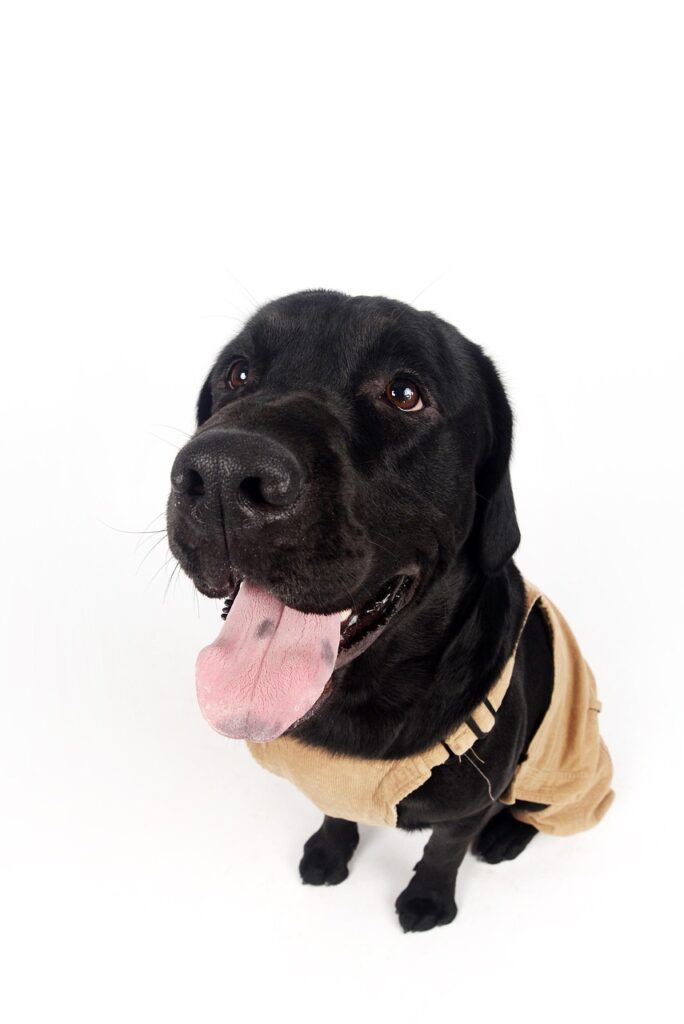
Limber tail most commonly affects large-breed working dogs like Labrador Retrievers, Golden Retrievers, Pointers, and Setters. Research on English Pointers specifically highlighted these breeds alongside Labradors as the most typical cases. Large-breed dogs are more commonly affected by limber tail, likely because of the heavy muscular demands placed on their tails during swimming and field work.
Age plays a significant role: young adult dogs between 2 and 5 years old face the highest risk, particularly those beginning hunting season or returning to intense physical activity after a period of relative inactivity. Working dogs carry approximately 5.1 times greater risk than non-working pets, according to the Dogslife cohort study of over 6,300 Labrador Retrievers in the UK.
There’s also evidence of genetic predisposition. In the Dogslife study, dogs more closely related to each other were more likely to develop limber tail syndrome, though no specific genes have been identified yet. Dogs living at higher latitudes-colder climates-also showed elevated risk. Interestingly, factors like body weight, height, coat color, and typical exercise levels were not significantly associated with risk.
This breed and genetic susceptibility connects directly to the environmental and activity-based triggers that actually set off an episode.
Causes and Symptoms
Understanding which breeds are predisposed helps explain why certain activities and environmental conditions consistently trigger limber tail. The triggers themselves involve overuse of the tail muscles beyond what they’ve been conditioned to handle, often compounded by cold temperatures.
Primary Causes of Limber Tail
Swimming in cold water is a common cause of limber tail-in fact, it’s the most common cause identified in epidemiologic research. Swimming in cold water is so strongly associated that the condition earned the name “swimmer’s tail.” During aquatic locomotion, a dog’s tail functions as a rudder for balance and steering, placing enormous demand on the coccygeal muscles. The Dogslife study found that swimming increases the odds of limber tail roughly 4.7 times. Prolonged swimming in very cold water compounds the risk by simultaneously straining and chilling the tail muscles.
Improper conditioning increases the risk of limber tail in hunting dogs and other working dogs. Intensive hunting or field work without gradual buildup-such as strenuous activity on the first day of hunting season after months of relative inactivity-is a classic trigger. Dogs that are improperly conditioned for the demands placed on them are especially vulnerable.
Prolonged crate confinement during travel or events is another recognized trigger. When a dog is confined in a crate for long periods, the tail may be constrained or held in an unnatural position, contributing to muscular fatigue and pressure injury. This is particularly relevant for dogs traveling to field trials or competitions.
Cold weather exposure combined with vigorous activity rounds out the primary causes. Getting wet and remaining in cold, windy conditions creates an environment where already-strained muscles cannot recover, potentially triggering a compartment syndrome-like process where swelling within the tight fascial compartment around the tail muscles compromises blood flow.
Recognizable Symptoms
A limp, flaccid tail is a primary symptom of limber tail. The tail may hang down completely or stick straight out, held horizontally for a few inches from the base before drooping limply-a characteristic posture that distinguishes this from other tail conditions. The dog is unable to wag or lift the tail voluntarily.
Affected dogs may cry or pull away when the tail is touched. Pain when the tail base is manipulated is one of the hallmark limber tail signs, and dogs may vocalize, flinch, or show clear agitation during palpation. You may also notice raised hair (piloerection) at the tail root or swelling at the base.
Dogs may show reluctance to sit or lie down comfortably. The pain radiating from the tail base makes normal resting positions uncomfortable, leading to restlessness, awkward postures, and difficulty rising. Some dogs display additional signs like licking or chewing at the tail base, reduced appetite, or even difficulty with urination and defecation due to tail-related discomfort.
Limber tail can cause reduced quality of life for affected dogs. Owner-reported data from the Dogslife study showed mean pain scores of approximately 6.0–6.3 out of 10, with quality-of-life impact rated around 4.1 out of 10.
Timeline of Symptom Development
Symptoms typically develop within hours after activity-generally 4 to 24 hours after the triggering event. Vigorous play can trigger limber tail symptoms within 24 hours. Owners frequently report that their dog’s tail was completely normal, and by the next morning it was hanging limp.
Progressive worsening of tail stiffness and pain occurs over the first day, with peak discomfort typically occurring within 48 hours of onset. After this peak, symptoms tend to plateau before gradually improving.
The mean duration for a first episode is approximately 3.5 days (95% CI: 2.9–4.2 days), though episodes can range from a few hours to about 10 days. Subsequent episodes in the same dog tend to be shorter. Less than half of affected dogs experience recurrence, though one dog in the Dogslife cohort reported approximately 30 episodes over its lifetime.
If your dog’s symptoms match this timeline, professional evaluation can confirm the diagnosis and rule out more serious conditions.
Diagnosis and Treatment Approaches
Because several other conditions can mimic limber tail-including tail fractures, intervertebral disc disease, prostate disease, and anal gland problems-a thorough examination by a veterinarian is essential for accurate diagnosis and appropriate treatment.
Veterinary Diagnostic Process
Seek professional evaluation when your dog’s tail goes suddenly limp, especially if accompanied by significant pain, difficulty moving, or if the dog’s symptoms don’t begin improving within a few days.
Diagnosis involves evaluating the dog’s activity history. Your veterinarian will ask detailed questions about the past 24–48 hours: Did the dog go swimming? Was there exposure to cold weather? Was the dog confined in a crate for long periods? Was there any strenuous activity or abnormal exercise? This history is often the most informative diagnostic tool.
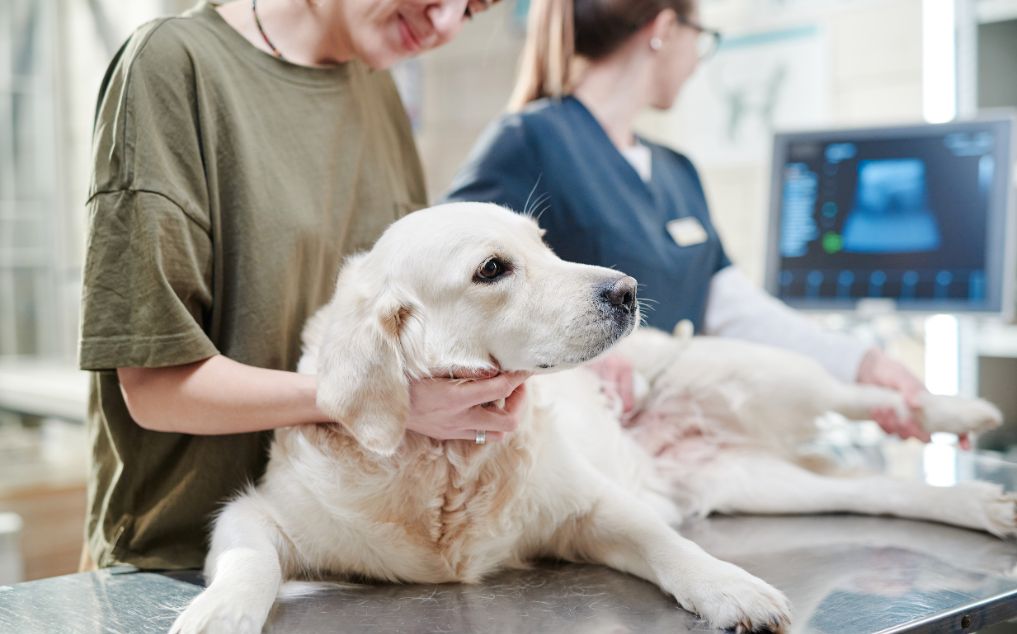
A physical exam is necessary to rule out similar conditions. Veterinarians assess the tail for discomfort during examination by carefully palpating the tail base, observing tail carriage and range of motion, and checking for neurological deficits. They’ll look for swelling, heat, and the characteristic pattern of stiffness at the base with flaccidity at the tip.
X-rays may be recommended to check for tail fractures or vertebral injury. These x rays help rule out a broken tail, spinal pathology, or other structural damage. In research settings, additional diagnostics like electromyography (EMG) and muscle enzyme testing (creatine kinase levels) can confirm muscle damage, though these aren’t typically needed for clinical diagnosis.
Differential diagnosis is critical. Other causes your vet will consider include intervertebral disc disease, anal gland infection or impaction, prostate disease in intact males, skin infections around the tail base, and actual tail trauma. Limber tail is ultimately a diagnosis of exclusion-confirming it means ruling out these alternatives first. Using an AI-powered symptom checker before your appointment can help you organize your observations and activity timeline for your veterinarian.
Treatment Options Comparison
Approach | Conservative Management | Medication-Assisted Treatment |
|---|---|---|
Primary intervention | Strict rest, warm compresses | NSAIDs + rest |
Pain management | Ice or heat packs, warm environment | Anti-inflammatory medications like meloxicam or carprofen |
Additional support | Mental stimulation, warm/dry environment | Muscle relaxants may be prescribed for recovery |
Timeline | May take 7–14 days | Improvement often within a few days |
Best for | Mild cases with moderate discomfort | Moderate-to-severe pain, working dogs needing faster return |
Veterinary involvement | Recommended for initial assessment | Required for prescription medications |
Rest and anti-inflammatory medication are primary treatments for most cases. Pain management may include non-steroidal anti-inflammatory drugs (NSAIDs), which are well-established for reducing inflammation and providing rapid pain relief. Anti-inflammatory medications like meloxicam are commonly used in veterinary practice. Ice or heat packs can help alleviate inflammation-warm compresses applied to the tail base are particularly useful for comfort. Muscle relaxers may be prescribed in cases with significant muscle spasm.
A veterinarian should evaluate severe cases or those not improving after a few days. Never administer human NSAIDs to dogs without veterinary guidance, as incorrect dosing carries risks of gastrointestinal and renal side effects.
Recovery Timeline and Monitoring
Most dogs recover fully within a few days to two weeks. Expected improvement typically begins within 3–5 days of initiating treatment and rest. Limber tail typically improves with rest within 10 to 14 days, with full recovery marked by complete return of normal tail movement, comfortable sitting and lying postures, and resolution of pain at the tail base.
Signs of successful healing include the dog voluntarily wagging their tail, lack of pain response when the tail base is gently touched, and return to normal activity behaviors. Most dogs recover fully from limber tail within two weeks.
Contact your veterinarian if symptoms persist beyond 10 days, if pain appears to worsen rather than improve, or if new signs develop such as neurological deficits, persistent swelling, or changes in gait. Tracking your dog’s recovery with tools like CompanAIn’s health monitoring features can help you identify patterns and detect delayed recovery early.
Common Challenges and Solutions
Managing limber tail isn’t always straightforward, particularly for owners of high-energy breeds who struggle with enforced rest or dogs exposed repeatedly to triggering conditions.
Managing Active Dogs During Rest Period
High-energy hunting dogs and sporting breeds often resist the rest period essential for recovery. Strategies for limiting activity while maintaining mental stimulation include puzzle feeders, nose work games, and gentle indoor training sessions that don’t involve tail-intensive movements. Avoid swimming, vigorous fetch, and any activity that causes tail wagging strain during recovery.
Alternative exercise options include very short, leash-controlled walks on flat ground and gentle mental enrichment. Crate confinement should be minimized during recovery since prolonged crating is itself a risk factor-use baby gates or room restriction instead. Understanding how to manage your dog’s condition proactively can make the recovery period smoother for both owner and pet.
Preventing Recurrence in Working Dogs
The most effective way to prevent limber tail is through gradual conditioning. Gradually increase physical activity to build endurance before hunting season starts. Ensure proper conditioning before hunting season starts by incrementally increasing swimming sessions, field work intensity, and duration over several weeks rather than going from minimal activity to full-day hunts.
Avoid swimming in cold water to reduce tail strain, particularly for unconditioned dogs. Keep cold water swimming sessions short, dry your dog thoroughly afterward, and provide warm shelter. During cold weather activities, consider using a drying coat after water exposure. Allow frequent stretch breaks during competitions or hunting events-don’t leave dogs crated for hours between sessions without movement.
Environmental modifications include monitoring weather conditions (dogs at higher latitudes face greater risk), ensuring dogs are dried quickly after getting wet, and avoiding prolonged exposure to cold, wet, and windy conditions. For dogs with a history of limber tail, consider whether certain activities in certain conditions are worth the recurrence risk. Dogs with joint concerns like arthritis may need even more careful conditioning protocols.
Recognizing Incomplete Recovery
Some dogs develop subtle, lasting changes in tail carriage after an episode-typically cosmetic rather than functional. However, persistent tail lethargy, ongoing stiffness, or continued pain beyond the expected recovery timeframe warrants additional veterinary attention.
Signs suggesting ongoing issues include a tail that remains partially flaccid after two weeks, continued pain response when the tail base is touched, changes in gait or posture, or recurrent episodes triggered by minimal activity. These may indicate that other causes-such as a previously undetected tail fracture, spinal issue, or chronic muscle damage-need further investigation. If your veterinarian recommends blood work or advanced imaging, elevated muscle enzymes or structural abnormalities may provide additional diagnostic clarity.
Conclusion and Next Steps
Limber tail is a genuinely painful condition, but it’s also one with an excellent prognosis. With proper rest, appropriate pain management, and attention to prevention, most dogs return to full tail-wagging function within a few days to two weeks. Understanding the triggers-especially cold water swimming, intense physical activity without conditioning, and prolonged confinement-gives you the tools to protect your pet’s health and keep them active safely.
Immediate steps to take:
- Restrict your dog’s activity and provide a warm, comfortable resting environment
- Schedule a veterinary consultation to confirm the diagnosis and rule out tail fractures, spinal problems, or other conditions that can mimic limber tail
- Follow your veterinarian’s guidance on anti-inflammatory medications and pain management
- Once recovered, implement a gradual conditioning program before returning to intensive activities
If you’re interested in broader tail and musculoskeletal health, consider learning about conditioning programs for sporting dogs, recognizing other tail-related conditions, and how environmental management can reduce injury risk across multiple body systems.
Additional Resources
- Conditioning guidelines for hunting and working dogs: Begin increasing activity intensity 4–6 weeks before hunting season. Focus on swimming sessions of gradually increasing duration, field exercises with incremental difficulty, and adequate rest between training days.
- Cold water safety tips for swimming dogs: Limit initial cold water sessions to 10–15 minutes, towel-dry immediately after exiting, and avoid very cold water entirely for dogs with a history of limber tail syndrome. Watch for early signs of tail stiffness after each session.
- Health tracking for recovery and prevention: CompanAIn’s AI-powered health tools can help you log trigger events-swimming, cold exposure, confinement-alongside symptom onset to detect patterns, track muscle enzyme results like creatine kinase when measured, and generate activity logs to share with your veterinarian for more efficient diagnosis.