
Dogs are curious creatures, and that curiosity sometimes leads them straight into trouble with stinging insects. If your dog is stung by a bee or wasp, the good news is that most stings cause only temporary discomfort. Here is exactly what to do, how to spot danger signs, and when to get your furry friend to the vet immediately.
Quick First Aid Steps When Your Dog Is Stung
Most single bee and wasp stings result in nothing worse than localised pain, redness, and swelling that fades within a few hours. But acting quickly makes a real difference.
What to do right now:
- Move your dog away from the area so they are not stung again.
- Remain calm – your composure helps keep your dog’s heart rate from rising, which slows the spread of venom.
- Check breathing first, then inspect the paw, face, nose, and mouth for a sting site.
- If you spot a bee stinger, remove it by scraping a bank card or credit card sideways across the dog’s skin. Never pinch with tweezers – squeezing the venom sac pushes more venom into the wound.
- Apply a cold compress (ice cubes wrapped in a thin towel or a clean tea towel dampened under a cold tap) to the affected area for five to ten minutes at a time to reduce swelling and pain.
- Monitor your dog closely for at least two to three hours for facial swelling spreading beyond the sting, hives, vomiting, or difficulty breathing. If any appear, call a vet immediately.
CompanAIn users can log the time of the sting, location, and symptoms in the app’s health timeline to track changes and share a summary with their vet.
Can Bee or Wasp Stings Be Dangerous to Dogs?
Most stings cause only minor local irritation – a sore lump, some redness, and swelling that settles within 12–24 hours. Bee stings and wasp stings are rarely dangerous when a single sting lands on a low-risk area like a leg or body.
However, certain situations raise the stakes:
- Stings inside the mouth or throat – bee stings can cause swelling that may block airways, turning a simple sting into a life threatening emergency.
- Multiple stings – disturbing a nest can lead to a dog being stung multiple times, and multiple stings can introduce a dangerous amount of venom.
- Known allergy history – dogs that have reacted before are at higher risk of severe reactions on subsequent stings.
Most cases occur during the summer months, though warm days in spring and early autumn still carry risk. In one European study of 178 dogs, roughly 69% of sting emergencies happened in summer. Venom works by causing local cell damage and inflammation; in allergic dogs, the immune system overreacts, releasing histamine throughout the body – potentially triggering anaphylaxis.

Where and How Dogs Usually Get Stung
Dogs are stung most often when sniffing, chasing, or stepping on insects. The most frequent sting locations are the face (around 39%), paw (28%), and oral cavity (21%).
- Paws and paw pads – from stepping on a bee on grass or a warm patio.
- Nose and muzzle – from sniffing flowering plants or hovering insects.
- Lips, tongue, and inside the mouth – from snapping at a bee or wasp mid-flight. Mouth swelling needs immediate attention because of airway risk.
Bees can only sting once due to their barbed stingers, which tear free and stay in the dog’s skin. Wasps, on the other hand, can sting multiple times without losing their stinger – and wasp stings are generally more painful than bee stings, delivering less venom per sting but able to repeat.
Typical immediate signs include a sudden yelp, intense licking or chewing at one paw, lifting the paw off the ground, or rubbing the face on the floor. A dog chasing bees around a lavender bush in July is a classic setup for a face or paw sting.
Recognising Normal vs Allergic Reactions to Bee and Wasp Stings
An allergic reaction happens when the body over-reacts to a bee or wasp sting. It can range from mild hives to full anaphylaxis.
Reaction type | What you will see |
|---|---|
Mild reaction | Small area of swelling, redness, warmth, scratching or licking at the site. Dog is bright, eating, breathing normally. |
Moderate allergic reaction | Widespread facial swelling, swollen eyelids, hives across the body, vomiting, diarrhoea, restlessness, or weakness. |
Anaphylactic reaction | Pale gums, collapse, fast or difficult breathing, drooling, sudden extreme lethargy. This is a life threatening emergency. |
Allergic reactions can occur within 10 minutes of a sting, though most appear within 5–30 minutes. Keep an eye on your dog for signs of a severe allergic reaction – delayed reactions can occur up to 24 hours after a sting. Signs of allergic reactions include swelling and difficulty breathing. Anaphylactic reactions require urgent care.
Contact your vet immediately if any allergic reaction signs appear. If you use CompanAIn, recording symptoms and timing in the symptom checker helps spot patterns across multiple incidents.
Step-by-Step First Aid for Bee or Wasp Stings
Once you have completed the quick-actions above, follow this detailed first aid guide:
- Secure the area – make sure no more insects are nearby.
- Find the sting – check paws carefully between the toes, and look inside the mouth if your dog is drooling or pawing at their face.
- Remove the bee stinger – scrape in one direction with a card or blunt knife edge. Do not pinch the venom sac.
- Clean the skin – wash the sting site gently with cool water and mild soap to prevent infections. Avoid harsh scrubbing that could worsen irritation.
- Neutralise the venom – for bee stings, a paste made of baking soda and water can help neutralise the acidic venom. For wasp stings, a dab of diluted vinegar works because wasp venom is alkaline.
- Cool the area – wrap ice or a bag of frozen peas in a tea towel and hold on the sting for five to ten minutes. Never place ice directly on the dog’s skin.
- Comfort your dog – keep them indoors for a short period, prevent licking or scratching (a soft cone helps), and offer quiet rest.
Extreme swelling can obstruct a dog’s airway, so if swelling around the face or throat worsens, treat it as an emergency situation.

When to Call the Vet – and What They Can Do
Most single bee stings are manageable at home. But some situations always warrant veterinary attention:
- Stings inside the mouth or throat – seek veterinary care immediately.
- Multiple stings or a dog that was stung by a bee swarm.
- Any breathing change, collapse, or rapid generalised swelling.
- Swelling worsening after several hours, or a dog with known allergy history.
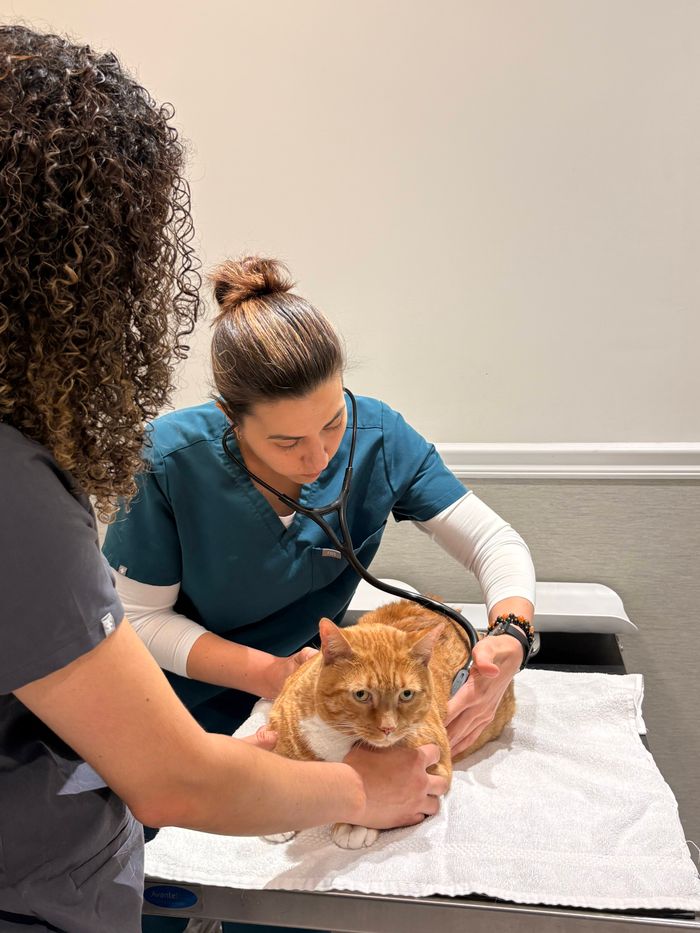
Common vet treatments include injectable antihistamines (used in 89% of sting cases in one study), corticosteroids, IV fluids, oxygen support, and adrenaline for severe anaphylaxis. Emergency treatment for serious reactions may require 24–48 hours of hospitalisation. In very rare cases, dogs need extended monitoring.
Monitor your dog for 24 hours after a sting for delayed reactions. Exporting a CompanAIn health summary with the sting event log saves time at the clinic.
Dog Antihistamines and Pain Relief: What's Safe?
Do not give your dog human medications without consulting a veterinarian. Many over-the-counter products – including ibuprofen, acetaminophen, and combination antihistamines containing decongestants – are toxic to dogs.
Some dog antihistamines used under vet supervision include plain diphenhydramine, but the dose depends on weight, age, and medical history. Antihistamines can be given only if advised by a vet. In rare cases, over-the-counter creams or gels on broken skin can cause further irritation or toxicity.
Pain and discomfort relief is best handled with vet-prescribed medications. Store your vet’s written sting plan and any prescribed medications together, and add the protocol to your CompanAIn account for quick reference during an emergency.
Preventing Bee and Wasp Stings in Dogs
You cannot keep your dog in a bubble, but you can reduce risk with practical habits:
- Avoid letting your dog rummage in flower beds or near flowering plants that attract bees.
- Check your yard weekly for bee nests or wasp colonies, especially around sheds and fences.
- Train your dog to obey the “leave it” command – this is the single most effective way to prevent bee and wasp encounters.
- Keep dogs indoors during peak bee activity hours (late morning to early afternoon in warm weather) on high-risk days.
- Use insect-repellent products designed for pets in areas with heavy insect activity.
- Have professional pest control handle wasp or hornet nests – never attempt removal with your dog nearby.
Stings are most common in summer but can happen year round on warm days. Supervise outdoor play and use a leash near orchards, picnic spots, or outdoor cafés with open food. Logging previous stings in CompanAIn helps you and your vet build a prevention plan for dogs prone to severe allergic reaction episodes.

Recovery and Follow-Up After a Sting
Most dogs recover from a sting within 24 hours. Swelling typically peaks within a few hours, then gradually shrinks. Your pet should return to normal activity, with the sting site becoming less tender over a day or two.
Watch for these warning signs during recovery:
- Swelling worsening after 24 hours.
- The affected area becoming hot, very red, oozy, or smelly – signs of secondary infection.
- Your dog remaining lethargic, off food, or showing a fever.
Some dogs develop a skin infection from scratching or chewing the sting site and may need antibiotics. If your dog had a serious allergic reaction, discuss future risk with your vet – including whether to keep emergency medications at home or pursue venom immunotherapy.
A mild reaction today does not guarantee a mild reaction next time. Add the sting episode, photos of swelling, and vet outcomes into your CompanAIn health timeline. A detailed history makes every future consultation faster and more informed – because the best advice comes from patterns, not guesswork.